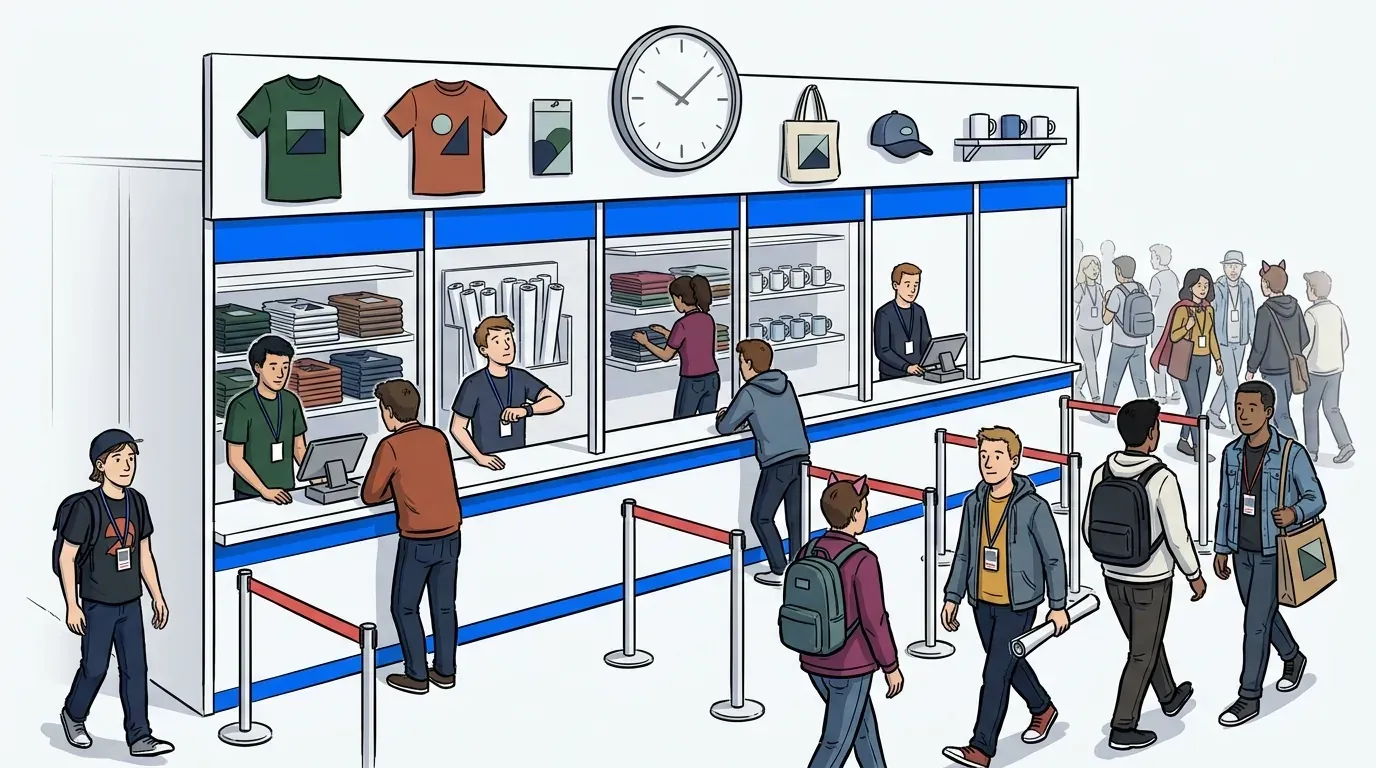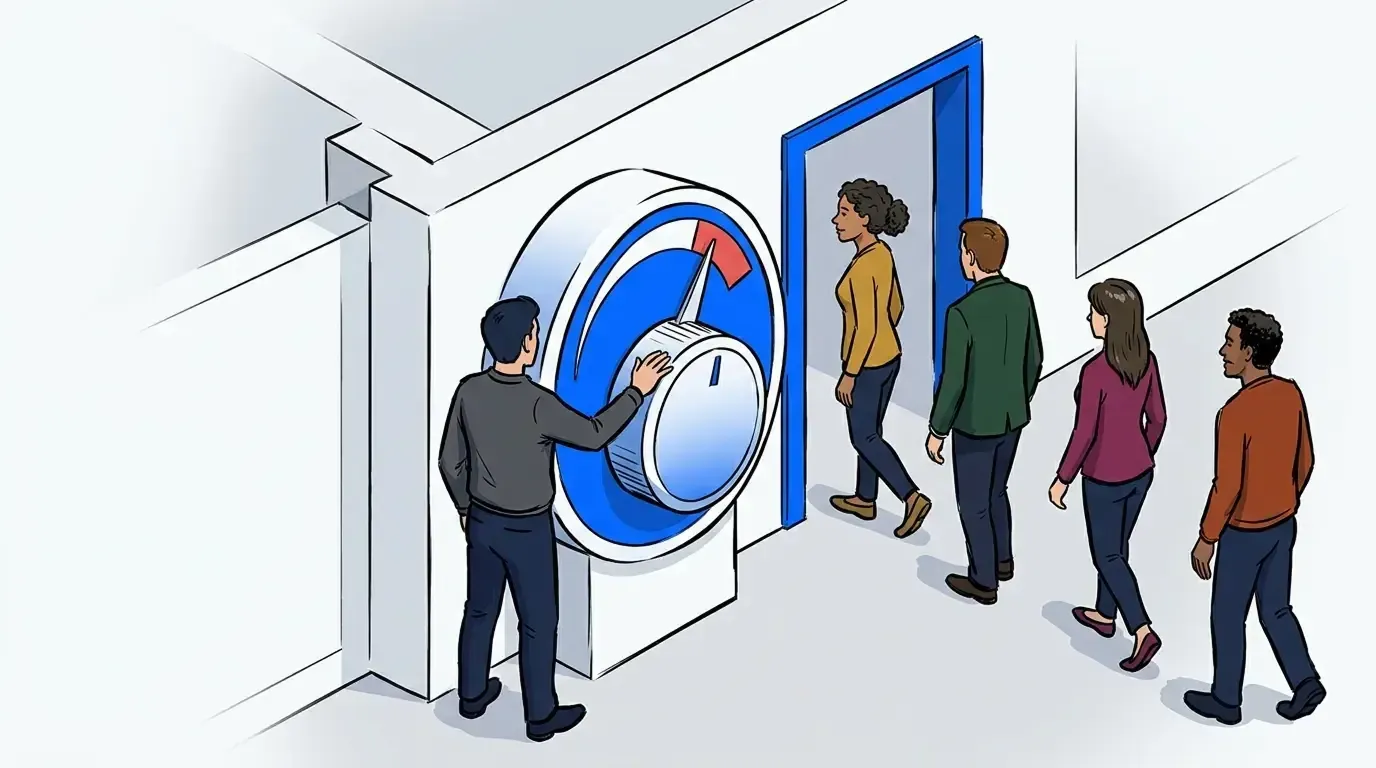
Every operator knows the moment. Doors open, the crowd arrives faster than expected, and the line outside a popular activation folds back on itself. Now you are managing a capacity problem in real time, with no good options left. You can cut the line, frustrate the people in it, or let it grow and risk a safety issue.
The trouble is that by the time the crowd is at the door, the decisions that would have helped are already behind you. Good attendee queue management is a capacity problem you solve on paper first. Staffing, signage, and even food you can adjust on the day. A room that is over its limit you cannot.
This post covers what attendee flow looks like when you plan it before doors open, why capacity problems resist last-minute fixes, and the specific steps that set your inflow dial ahead of time.
What attendee queue management means before capacity
Attendee queue management is the practice of controlling how many people enter a space, and how fast, so a venue or activation never crosses its safe limit. Done right, it starts before the event, not during it. You decide the cap, the entry method, and the overflow plan in advance, then let the system hold the line for you on the day.
The goal is not zero waiting. A short, visible, well-run line signals that something is worth seeing. The goal is a line that stays legible and safe, and a crowd that always knows where it stands. That distinction shapes every choice below.
Why capacity problems can’t be fixed reactively
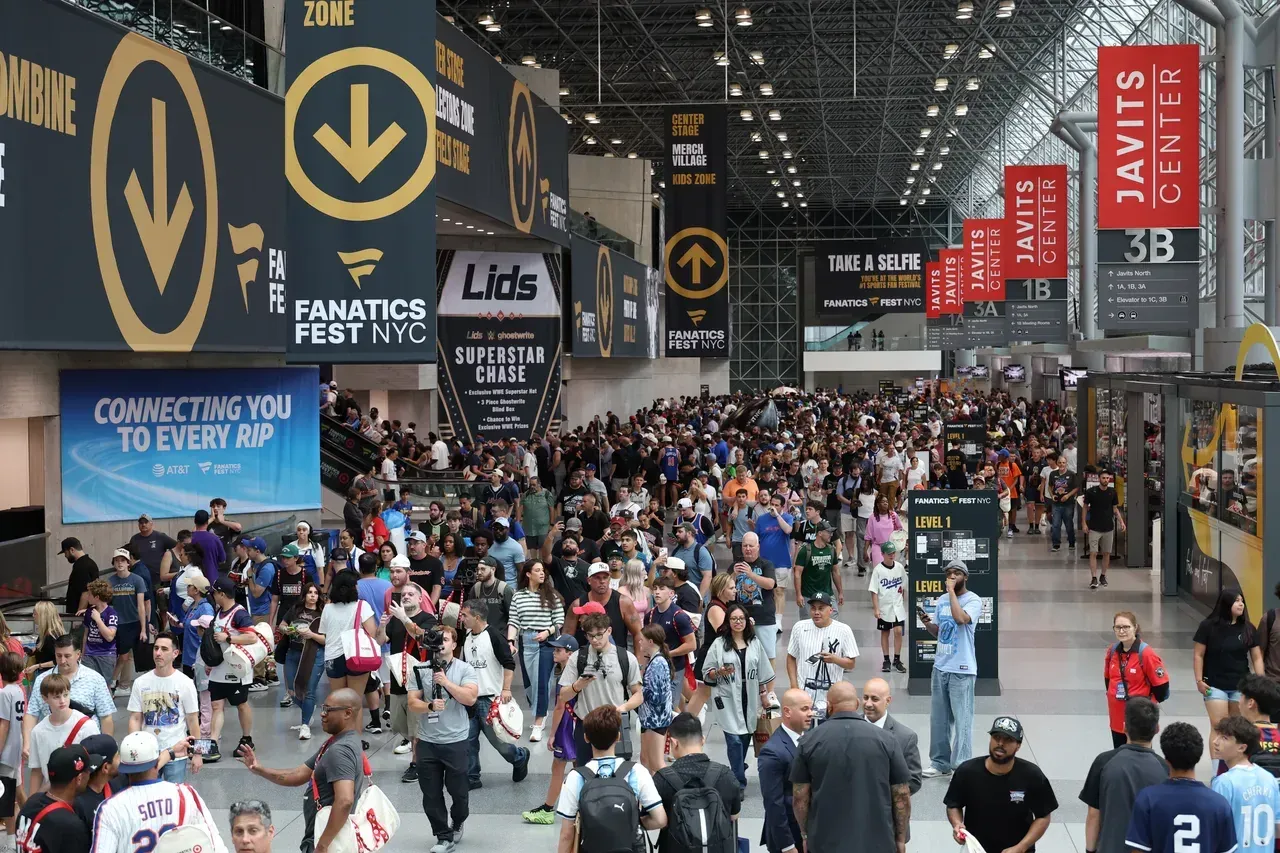
Here is the pattern we see most often. Queue planning gets pushed down the list during the build, because the flashy parts of the event feel more urgent. Then demand arrives, the line becomes a crisis, and there is no move left that does not cost you something.
That is why capacity has to be a day-one planning item, not a day-of scramble. A packed room is a fire code and safety exposure before it is a guest experience problem. The Event Safety Alliance draws the same line in its ANSI ES1.9 crowd management standard, which separates managing a crowd from controlling one after it is already a problem. Our guide to event capacity management as a venue safety net makes the fuller case for treating capacity as infrastructure.
The fix is to set the dial early. When NCompass International ran Adult Swim Festival on NextMe, the physical wait dropped sharply because the overflow moved into a virtual queue that was configured before the gates opened, not improvised once the crowd showed up.
Set the inflow dial before doors open
Attendee queue management is mostly a set of decisions you lock in ahead of time. Work through these before the event:
- Map every entry and activation point on the floor plan, and set a cap for each based on its safe capacity, not its ideal capacity.
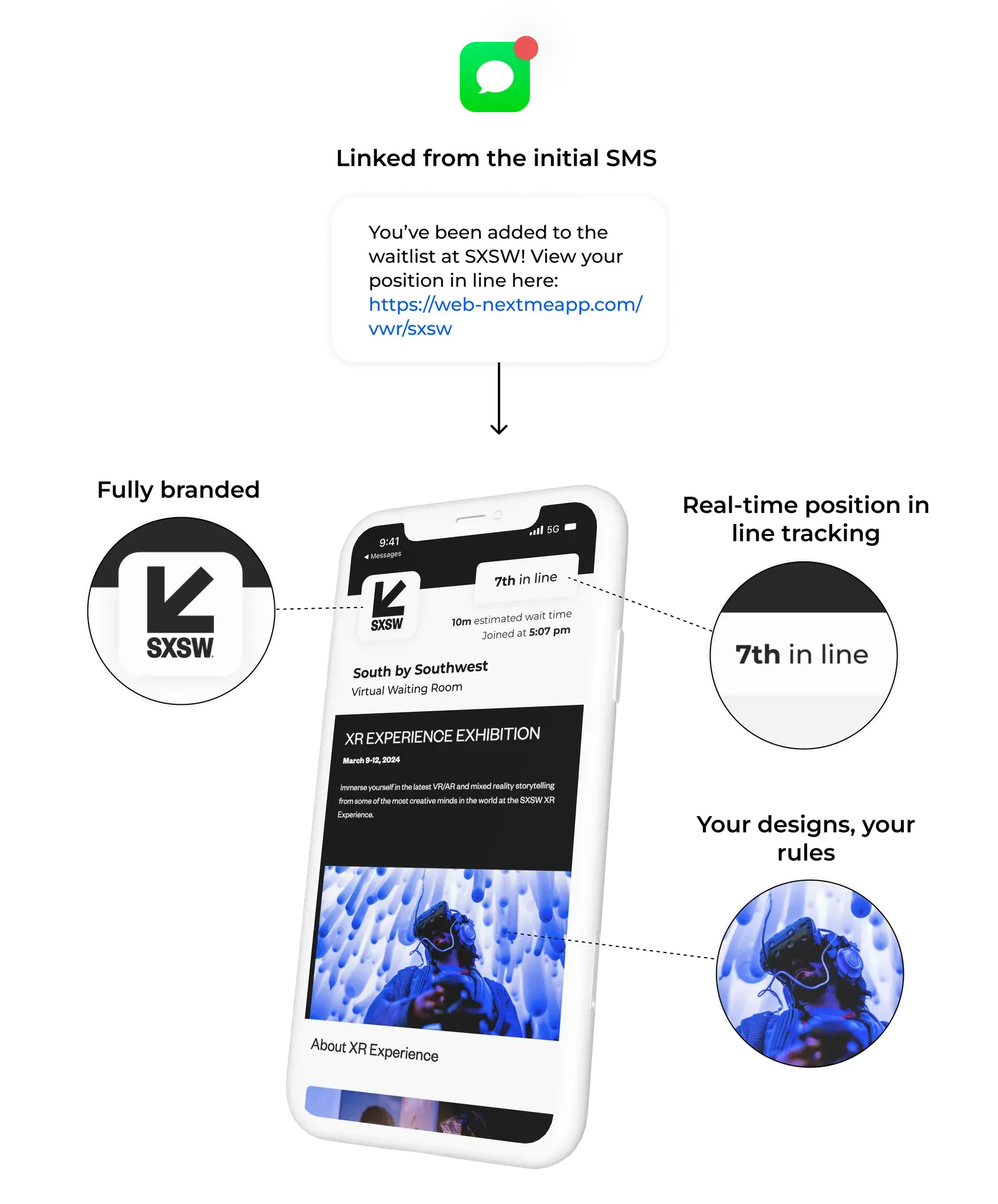
- Turn on self check-in by QR code so guests join the queue themselves and never bunch up at a single desk.
- Put the overflow into a virtual waiting room with the cap set slightly above expected service capacity, so the physical line stays short while everyone else waits wherever they like.
- Give staff a real-time view of how full each point is, so they can slow inflow before a space crosses its limit rather than after.
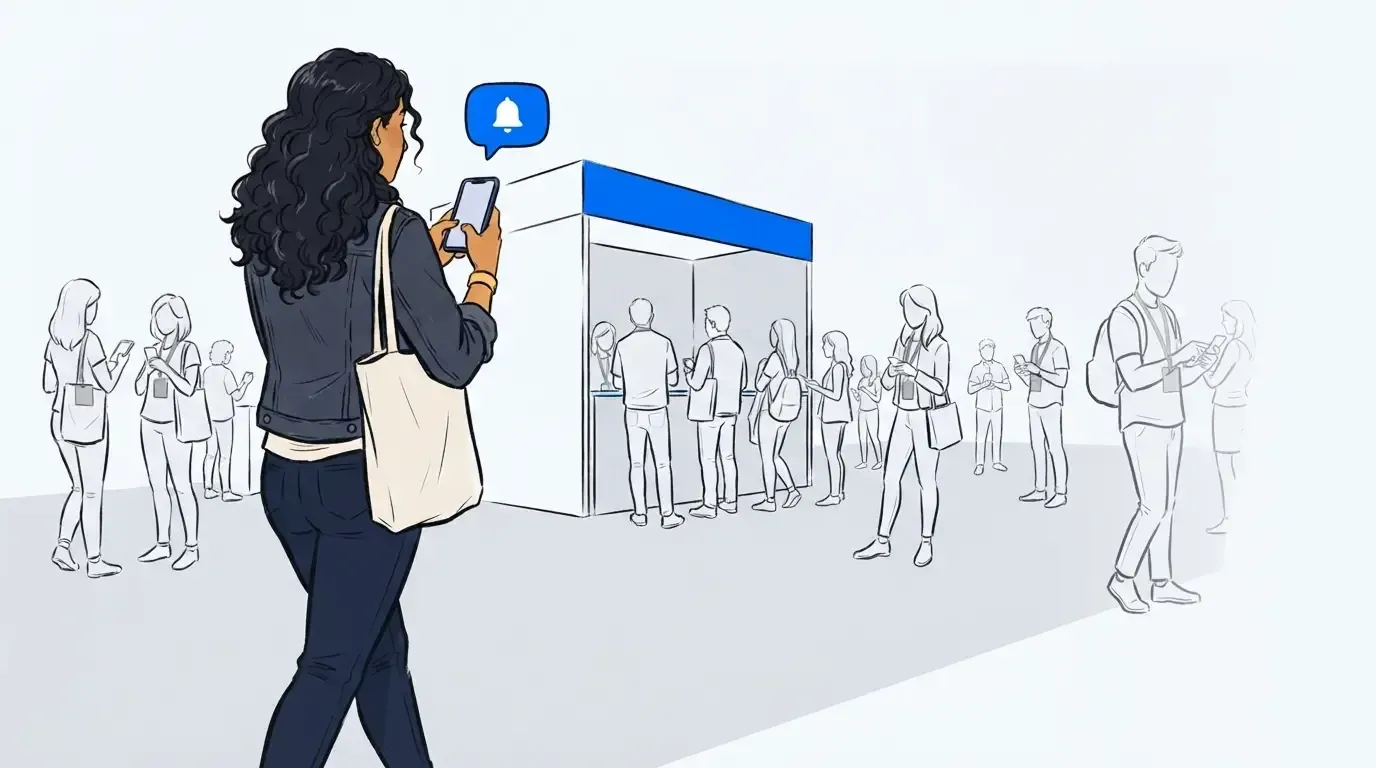
- Use staff-triggered callbacks to text guests when it is their turn, so the physical line only fills as fast as you can serve it.
None of this works if it is switched on during the event. The point of setting the dial early is that the system, not a stressed staffer, holds the line on the day. For the venue-wide version of this across every wait point, see how to reduce event wait times across your whole venue, and for outdoor footprints specifically, how to manage attendee flow at a large outdoor event.
Keep the line legible, not invisible
It’s tempting to think the goal is to make the line disappear. It’s not. A managed line is a demand signal, and erasing it throws away information the crowd is giving you for free. The operator’s job is to keep the line legible, not to eliminate it.
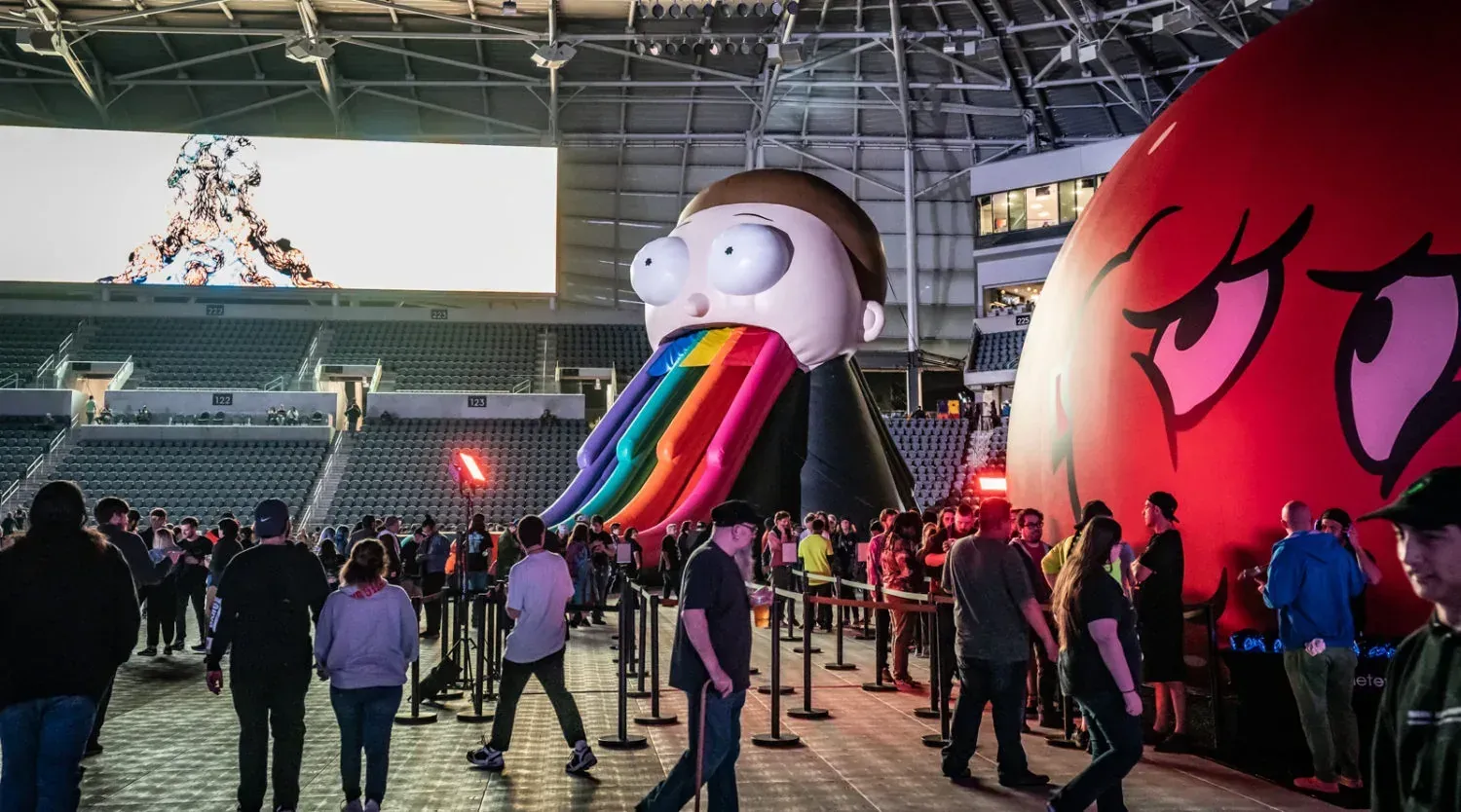
NextMe runs a hybrid physical and virtual model for exactly this reason. You set how long the visible line can get, and everyone beyond that cap waits virtually and gets called back by text. The line out front stays short enough to be safe and orderly, and it still reads as a room worth being in. F1 Arcade used the same approach at its Miami Grand Prix activation, holding a controlled front-of-house line while the analytics tracked throughput behind it. For the wider playbook, the events page pulls the pieces together.
The takeaway
Attendee queue management is a decision you make before the event, not a problem you solve during it. Set your caps, turn on self check-in, route the overflow to a virtual queue, and give staff a live view of how full each space is. The dial has to be set before the doors open, because once the crowd is there, capacity is the one thing you can no longer fix.
Learn how NextMe helps event teams control inflow before it becomes a crisis.