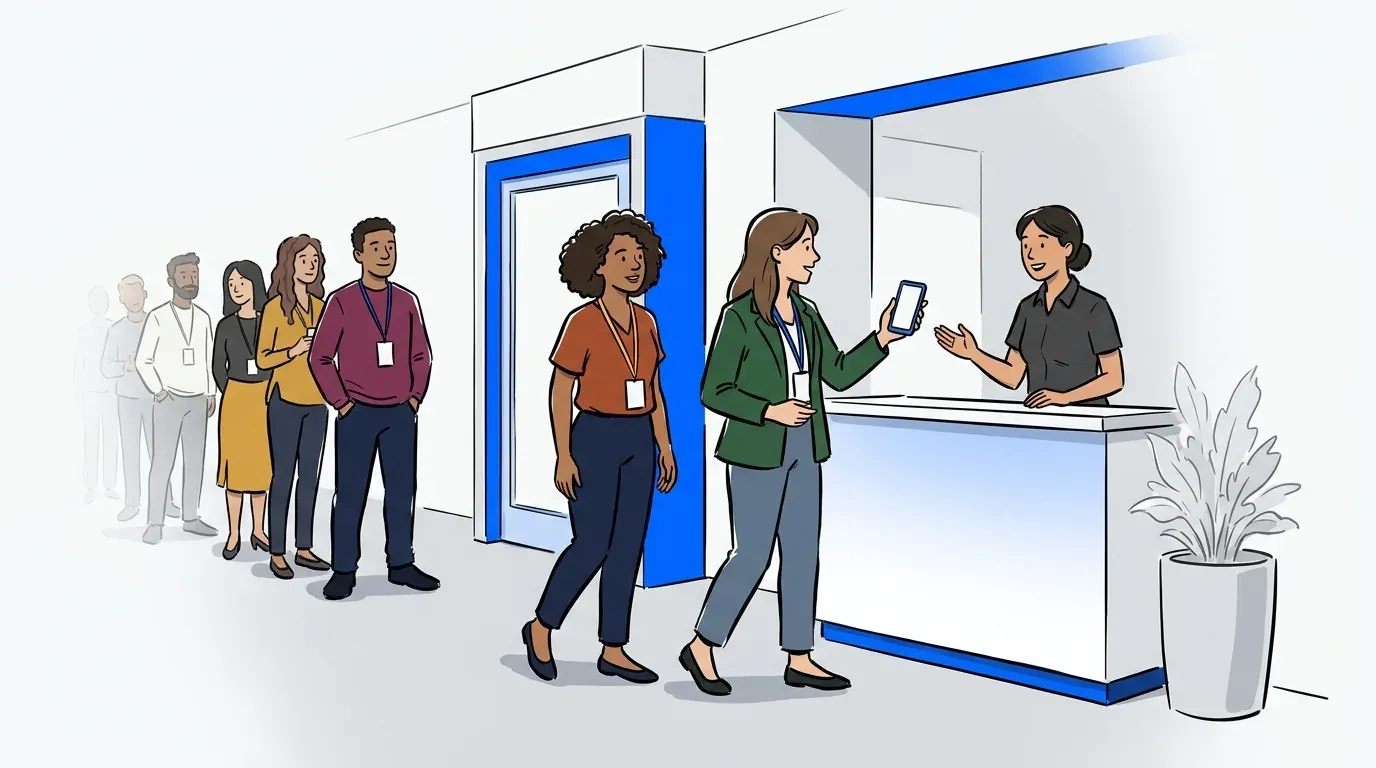
At a major event, some guests are promised more than general admission. Sponsors, title partners, and premium members expect faster, more exclusive access than the crowd lining up at the same activation. Delivering a true VIP event experience means giving those guests real, visible priority without shutting everyone else out.
The instinct is to build two separate systems, one for the public line and one for VIPs. That gets expensive, and it usually breaks at the worst moment. The better approach runs both on a single hybrid queue. Part of the line stays physical, part moves virtual, and you control who gets fast-tracked and when.
This post covers how to run a first-come queue and a VIP fast pass tier together, how premium guests can book their access ahead of time, and how the wait itself becomes part of the perk. NextMe powers tiered access for brands like Peacock, American Express, Evereden, and Air France, demonstrating what a seamless VIP experience looks like in practice.
What a VIP event experience really takes
A VIP event experience is a tiered access model. Premium guests move through a separate, faster path while the general audience keeps its own managed line. NextMe runs both on one system: a first-come line for the public and a VIP fast pass for sponsors, cardholders, or credentialed guests. The goal is not to remove the regular line. It’s to make priority feel earned and certain for the guests it’s meant for.
Exclusivity is a design decision, not a velvet rope. A fast pass only feels premium when the general line still moves and the VIP still knows exactly where they stand. Get either half wrong and the perk falls flat. A stalled public line reads as chaos, and a VIP left guessing feels like anyone else.
This matters more than it used to. Event Marketer describes access to exclusive experiences as a rising form of brand currency. Brands increasingly build loyalty on VIP access rather than points. The strongest premium programs start with an operator question, not a guest list: who gets priority, how much, and at what point in the event? Answer that first, then build the queue around it.
Run the general line and the fast pass on one system
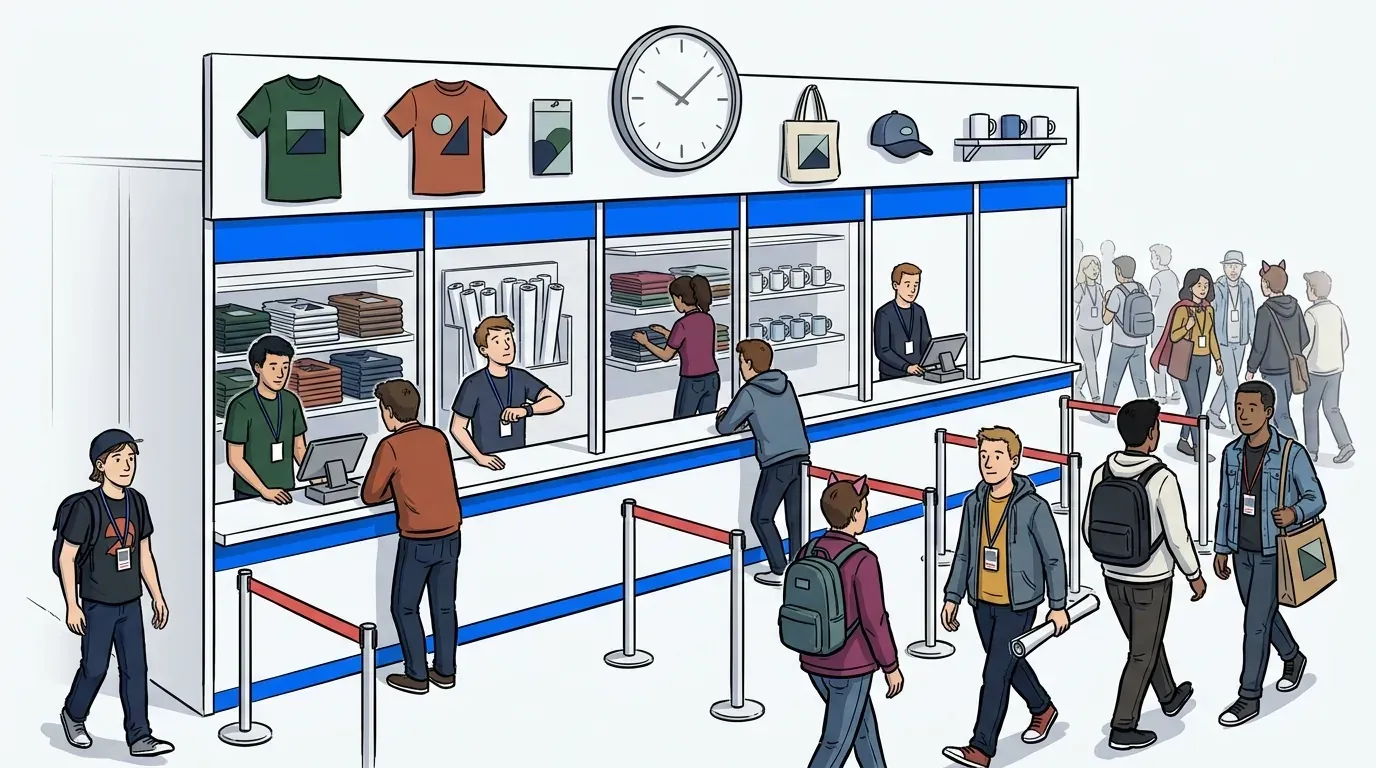
The cleanest setup is one platform managing two lanes. The public joins NextMe’s first-come virtual waiting room and waits wherever they like. VIPs get a priority path that jumps them ahead at the activation. That can be a separate check-in or a flagged status in the same queue.
Evereden, a premium skincare brand, ran this model at The Grove in Los Angeles for a one-day express pop-up. NextMe managed their two-tiered virtual queue that kept the experience moving, seamlessly accommodating both walk-ins and pre-registrations. Read how Evereden handled a dual guest flow in a high-demand moment.
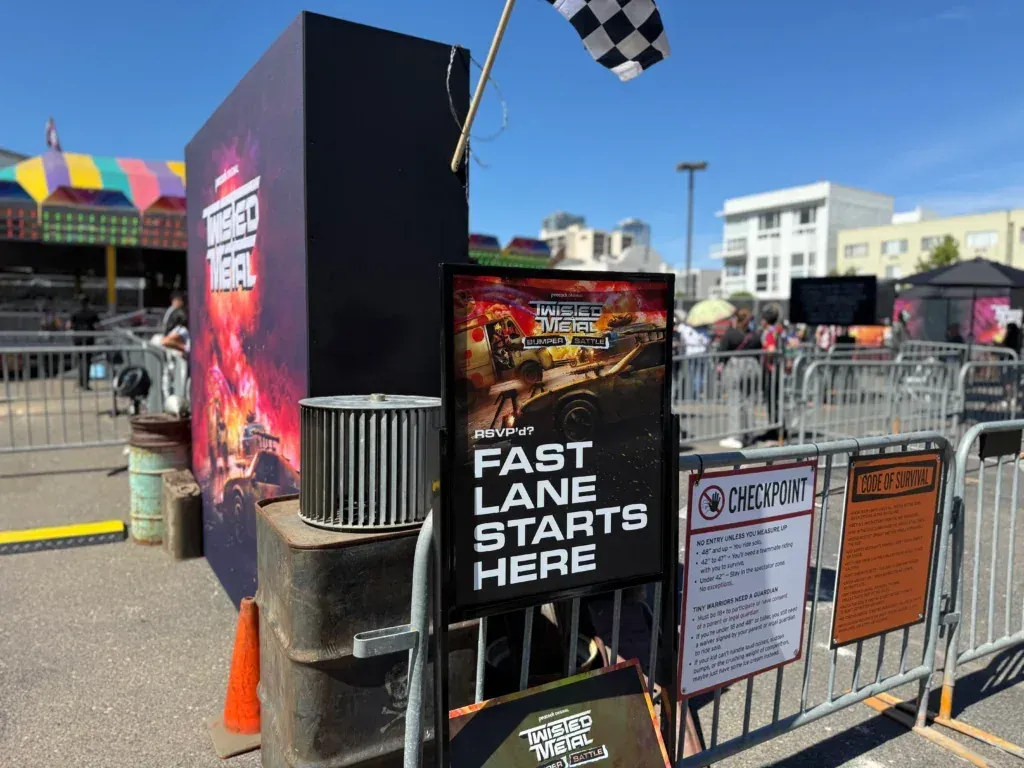
Peacock brought the same idea to San Diego Comic-Con with NextMe, running a fast lane for priority guests alongside the main activation queue. See how Peacock ran its Comic-Con fast lane. In both cases the regular line never disappeared. It stayed visible and managed, which is the point. A premium tier is only special next to a standard one that still works. Capping the public line at the right level keeps it under control, and that is worth planning before doors open. Our guide to attendee queue management before your venue hits capacity covers that.
Let premium guests book their exclusive access in advance
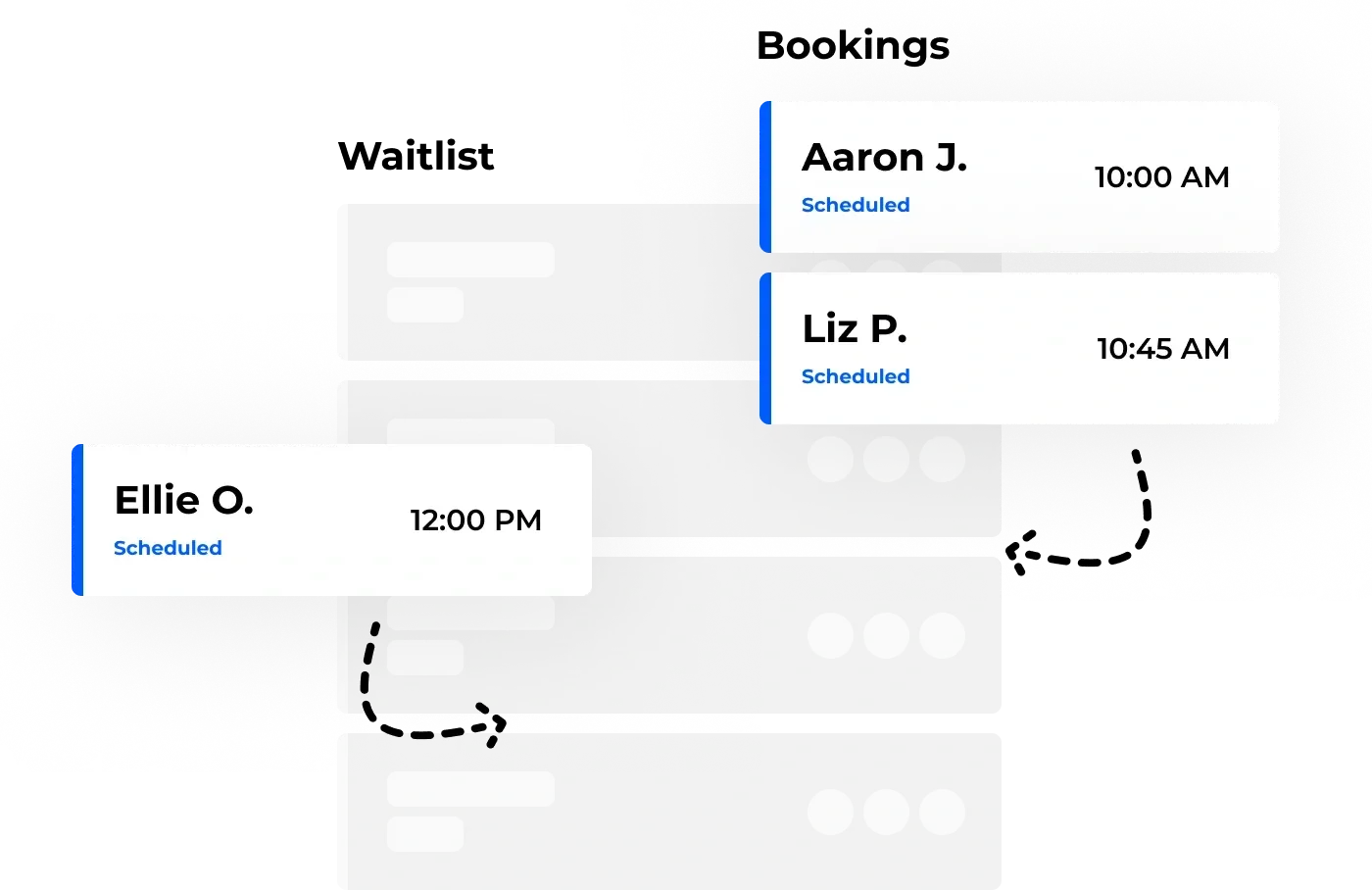
Some premium access is best handled before the guest arrives. Instead of a same-day line, you let VIPs reserve a window. NextMe bookings turns a fast pass into a scheduled slot. A cardholder or sponsor guest locks in early entry and arrives to a cleared path.
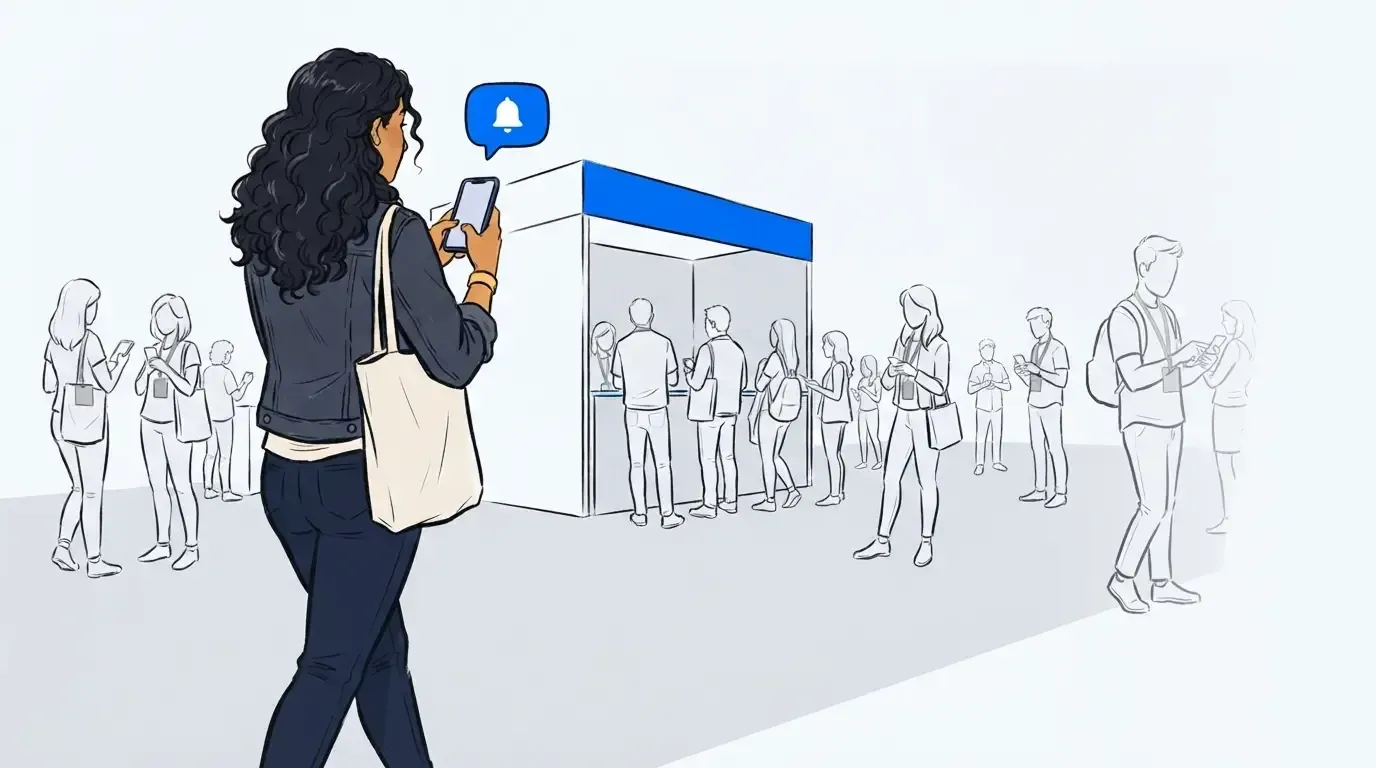
American Express is bringing this to its U.S. Open activation. Gold Card Members can book VIP time slots for early access to the experience. A booked slot does two things at once. It rewards the cardholder with certainty, and it gives the sponsor a capped, predictable flow instead of a crush at the door. When the window opens, NextMe sends an automated text that brings the guest in, so nobody hovers at the entrance watching a clock.
The same mechanics reach past events into premium hospitality. NextMe powers Air France airport lounges at several airports. Access there is limited to eligible travelers, so the queue has to enforce that without a staff member gatekeeping every entry. Lounge or fast lane, the job is the same. Verify who qualifies, admit them smoothly, and keep the experience calm.
Make the wait itself part of the perk
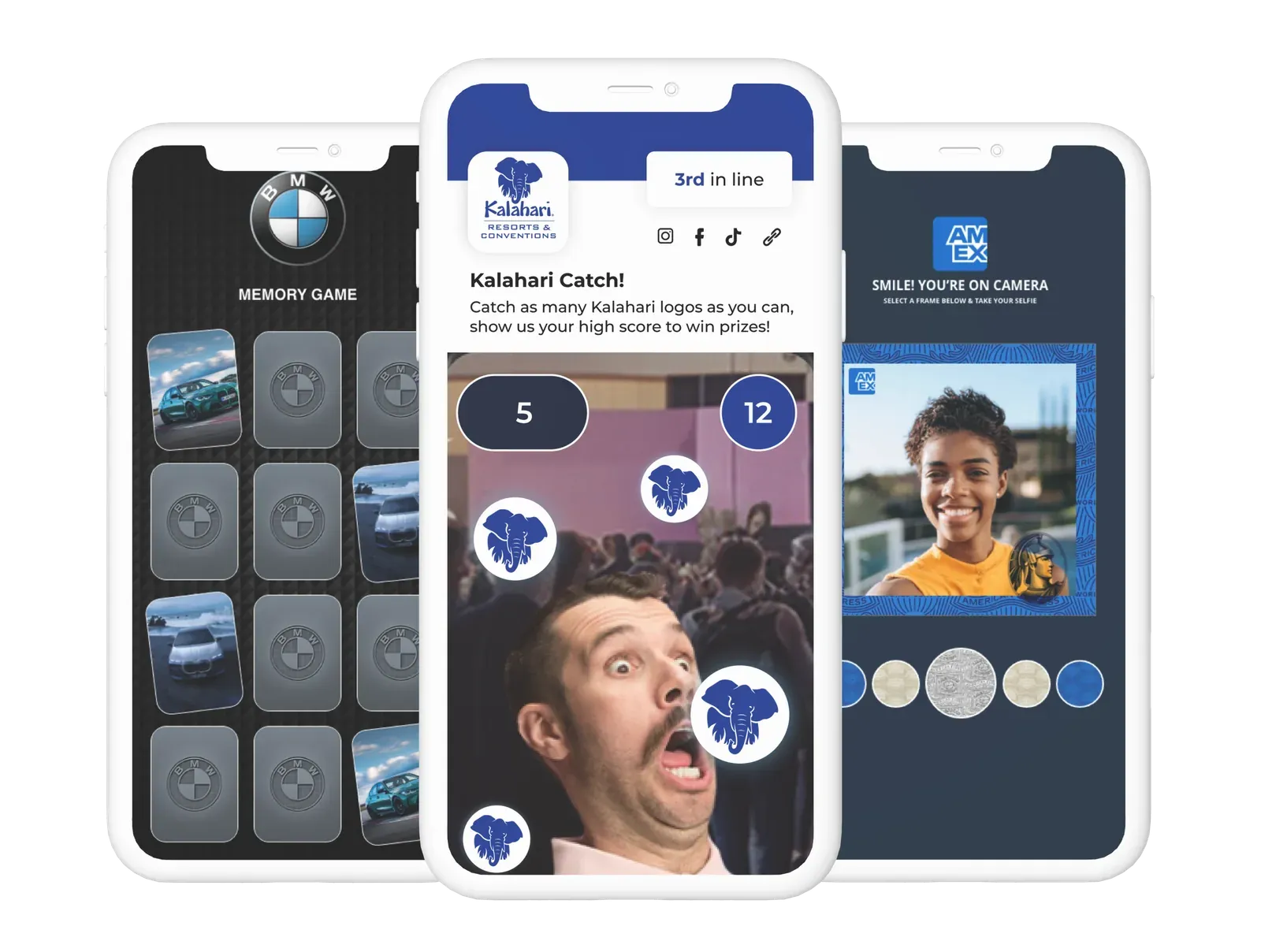
Priority access still involves some waiting, even if it’s brief. That window is premium real estate. NextMe’s virtual waiting room is branded space the operator or sponsor controls. A VIP who is two minutes out sees tailored content or a welcome, not a blank screen.
For sponsors, this is where a VIP event experience earns its budget. The wait becomes a measurable engagement surface. NextMe logs content views, taps, poll answers, and lead capture. That data is the difference between “the activation felt busy” and a report a sponsor can renew against. Our guide to turning event sponsor engagement into measurable ROI goes deeper.
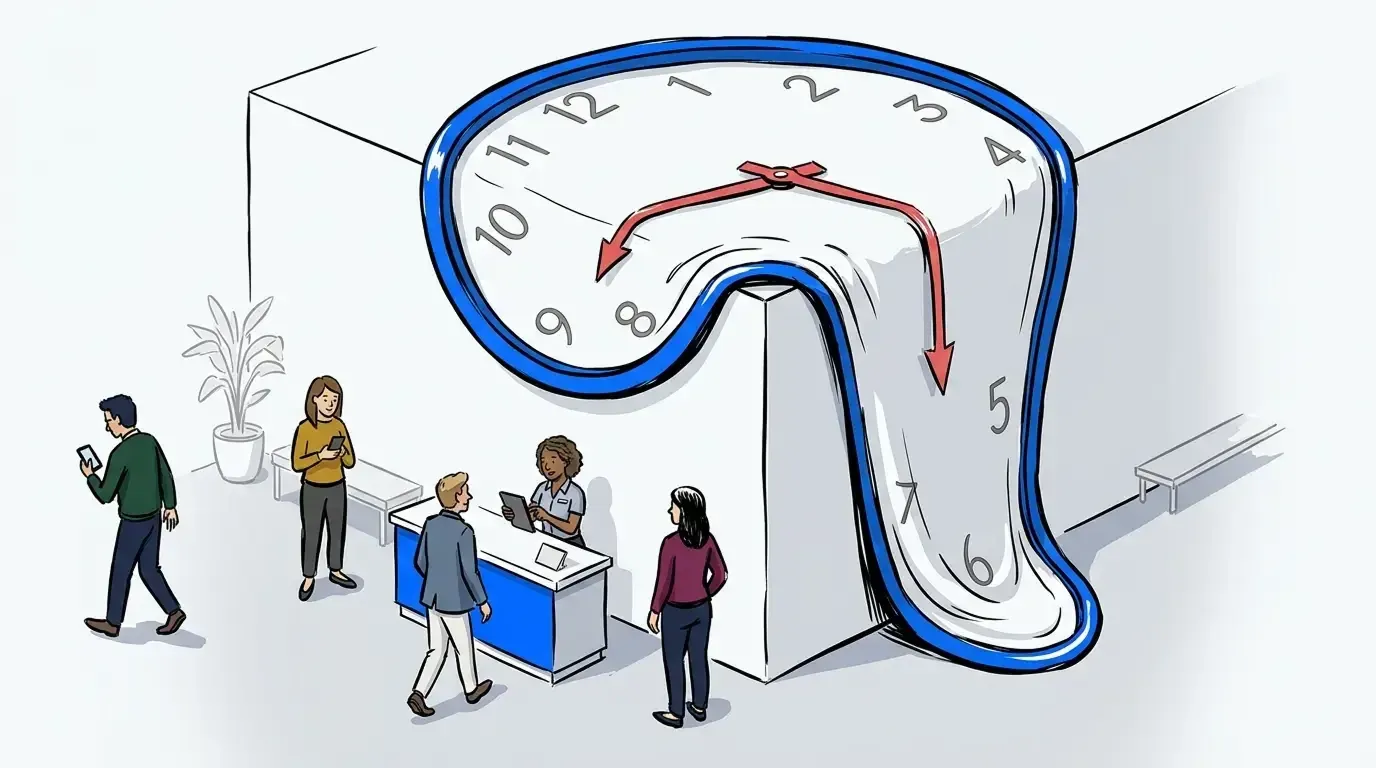
The perk is not only speed. It’s certainty. A VIP who can see their place and their wait time feels looked after, which is the whole promise of premium access. Waiting is rarely the real problem. Not knowing is. None of this needs a second platform. NextMe’s queue management software for events runs the public line, the VIP tier, and the branded wait on one system.
Exclusive access, done right
A premium tier is a promise: this guest matters more, right now. Keeping that promise takes more than a rope and a sign. It takes a queue that runs a first-come line and a VIP fast pass side by side, lets guests reserve their access in advance, and turns the short wait into something worth having. Run both lanes on one NextMe queue, and exclusive access becomes an experience you can actually deliver, plus a sponsor asset you can prove. See how NextMe powers premium event experiences from the first guest to the last.