Sponsors don’t just want exposure anymore. They want proof. After years of experiential budgets growing with no clear line back to outcomes, brand managers are asking harder questions before sign-off: How many people saw our content? How long did they engage? Did it move purchase intent?
The standard answers: banners, stage mentions, badge-scan headcounts, haven’t kept up. Traditional channel metrics are estimated at best, unmeasurable at worst. A logo on a branded backdrop doesn’t tell you anything about whether a single person looked at it. Event producers who keep pitching those numbers are fighting an uphill renewal battle.
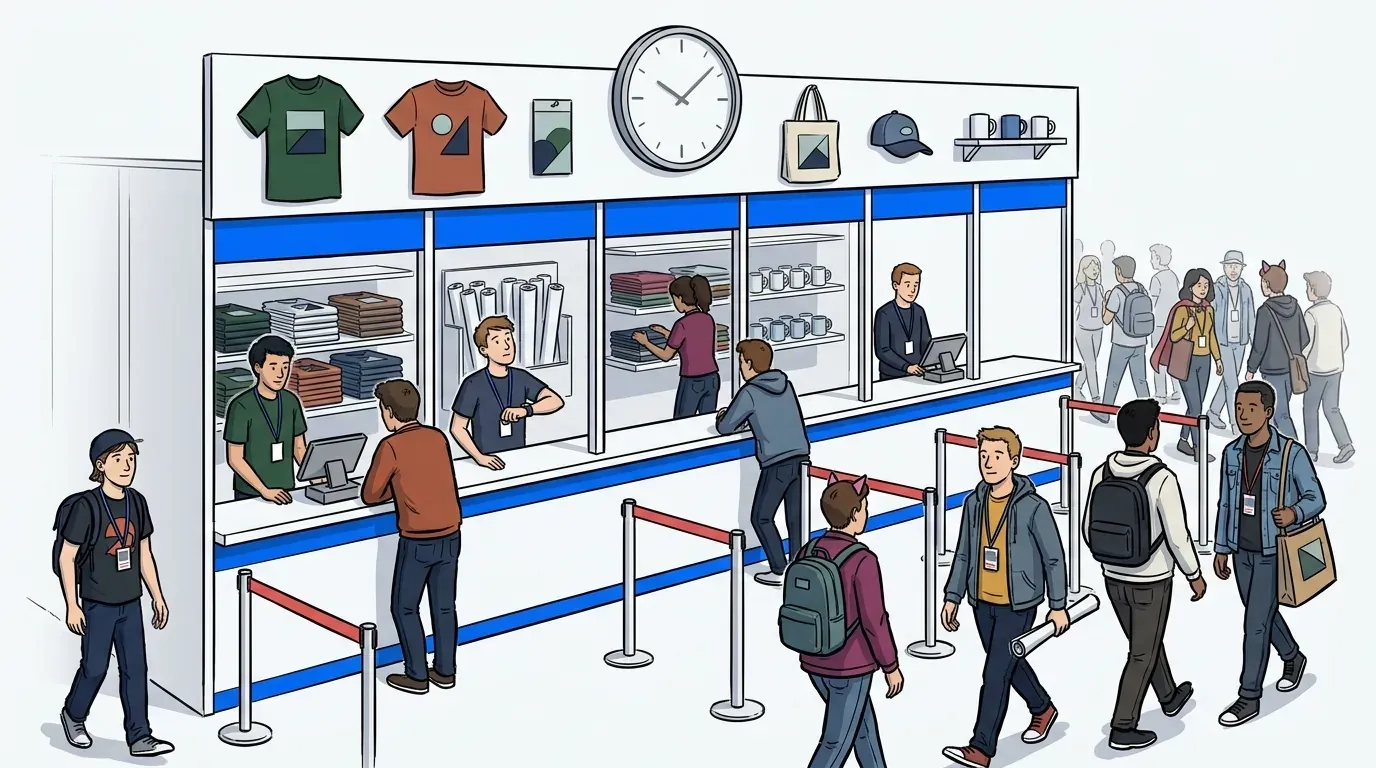
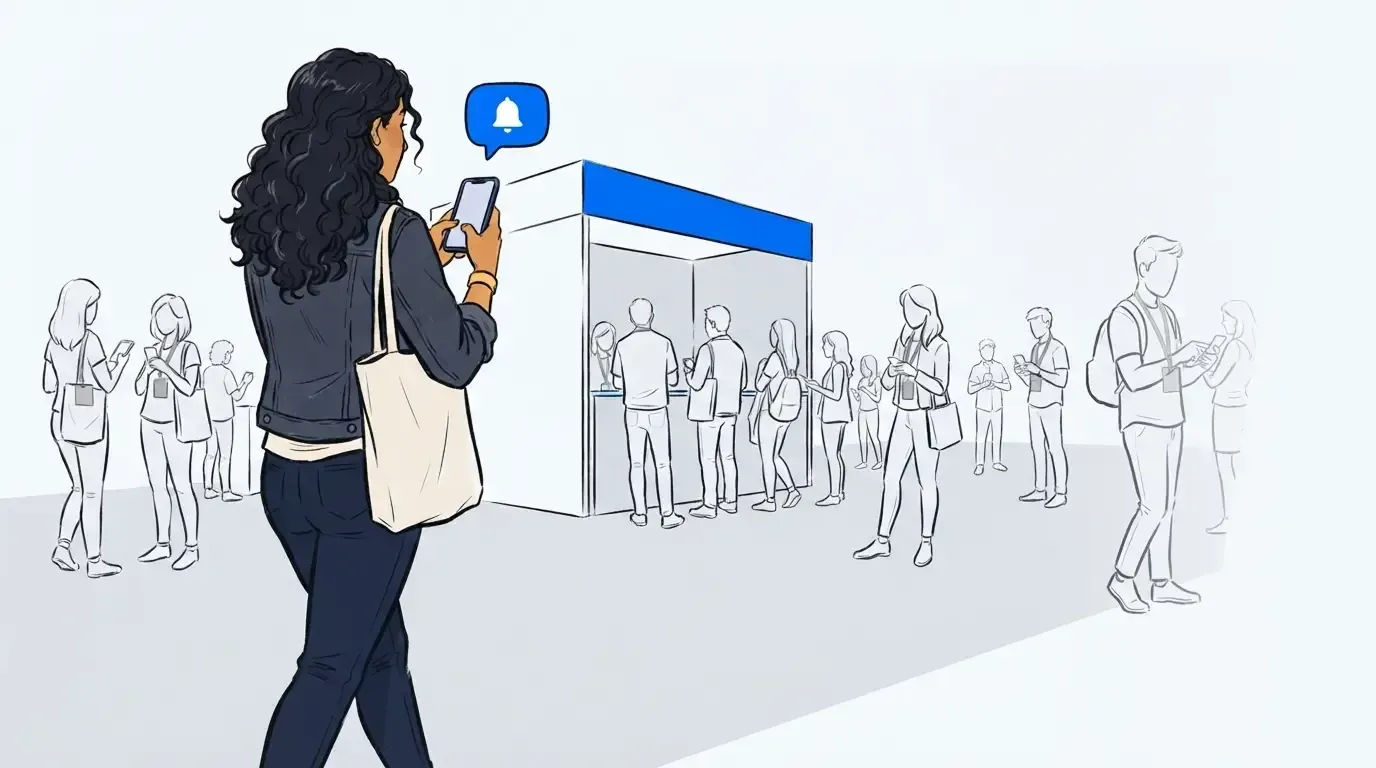
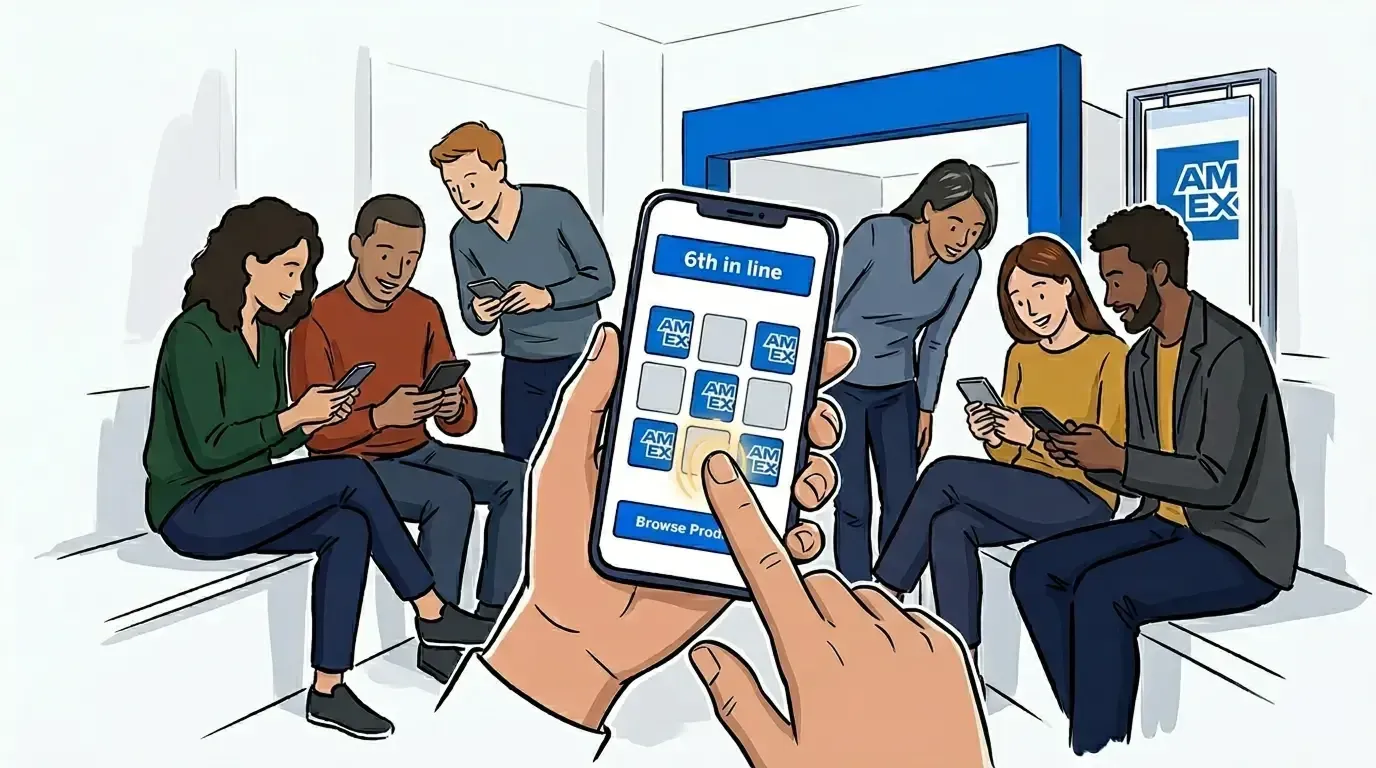
The better answer is already at your event. It’s the queue. Guests waiting for an activation are stationary, interested enough to wait, and, critically, already on their phones. They’re not checking the program or walking the floor. They’re looking for something to do with the next 15 to 30 minutes. The best brands are starting to realize that window is the most reliable captive audience at the entire event, and they’re building sponsor strategy around it.
Why the queue is the most valuable sponsor surface at your event
Event sponsor engagement isn’t a count of logos seen. It’s a measurable interaction: a poll answer, a product click, a video watched to completion, a coupon claimed. These are actions a guest takes voluntarily, and they produce data that no banner placement can match.
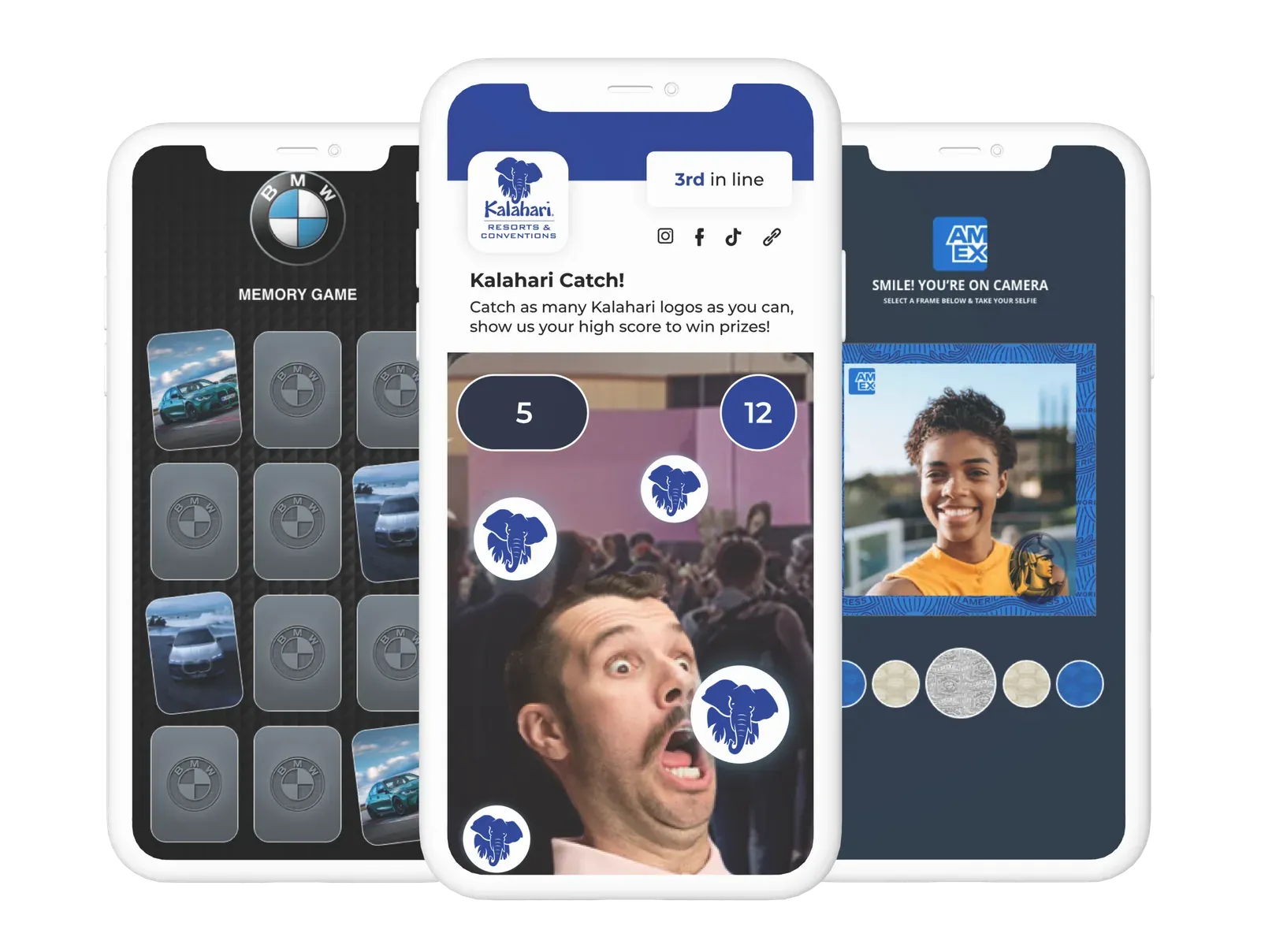
What makes the queue unusually powerful is the incentive structure. When a guest checks into a virtual waiting room, they receive a live position counter on their phone showing exactly where they are in line. That number is the carrot. Guests return to check it, and each return is an opportunity to engage with what’s on the screen alongside it. In 2026 to date, NextMe virtual waiting rooms are seeing an average of over 7 repeat visits per guest. That’s not a passive impression. That’s a recurring, voluntary interaction with your sponsor’s content from a guest who is already opted in and already at the event.
Compare that to a banner. A banner delivers one impression to a guest in motion. The virtual waiting room delivers seven or eight to a guest who came back on their own.
What sponsors can put in the waiting room
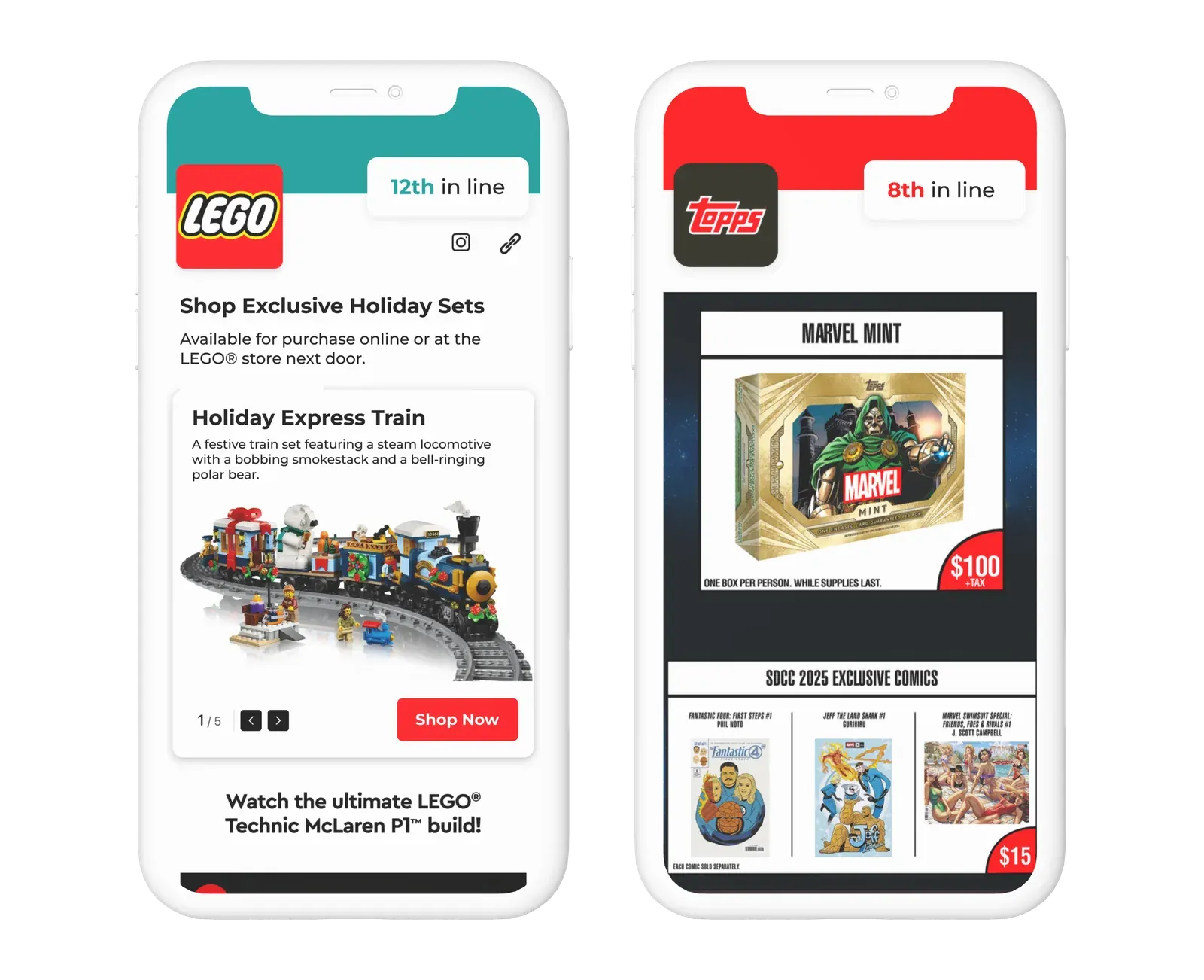
The virtual waiting room is a configurable canvas. Sponsors can run branded countdowns and product reveals tied to queue position, polls and quizzes that collect zero-party preference data, product carousels with embedded purchase links or show-day discounts, social prompts tied to a campaign hashtag, and video content with completion tracking. Every one of those formats produces a logged action, not an estimated view.
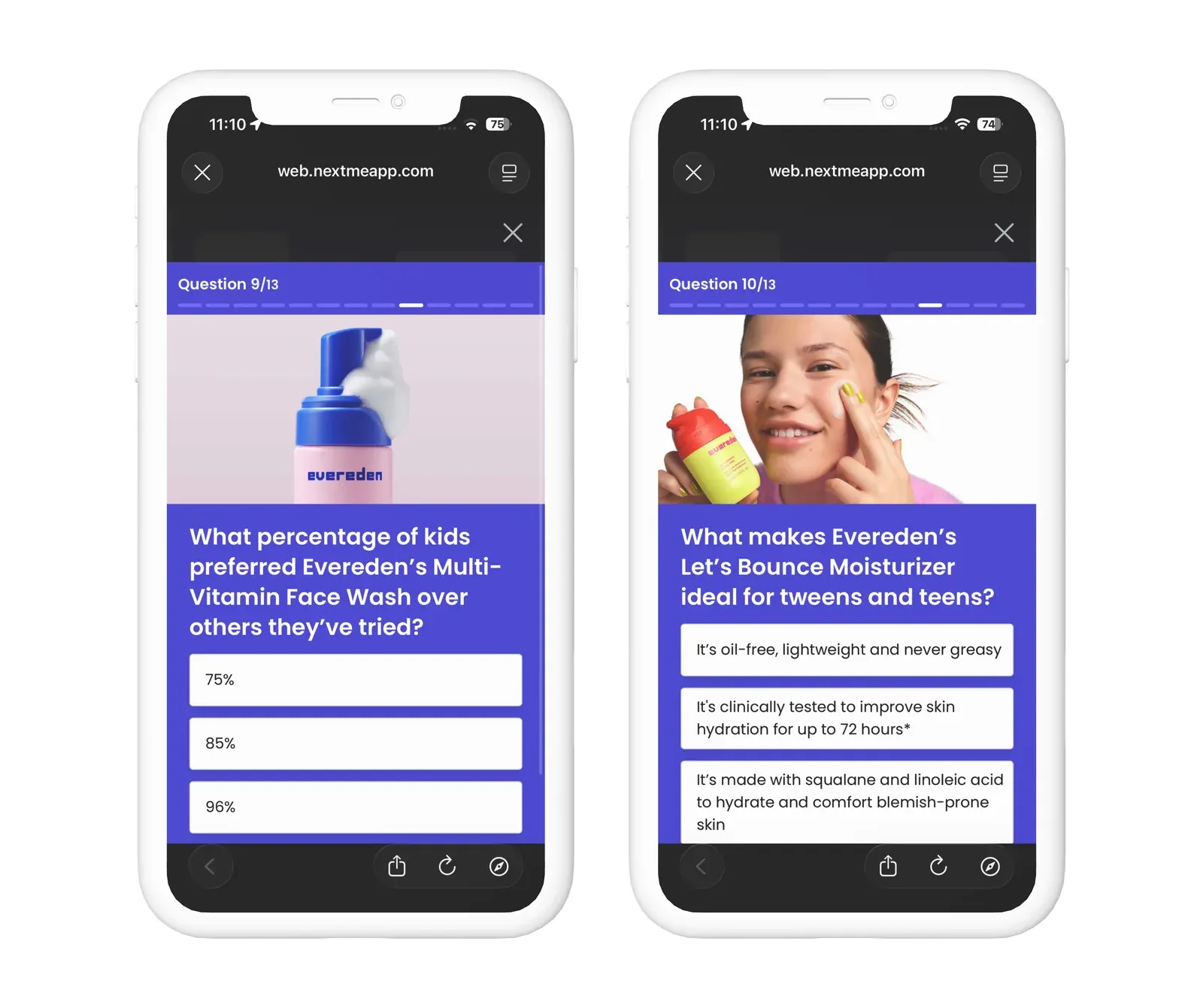
Evereden used this model at a pop-up activation in LA. Guests answered a product preference quiz while they waited, which sorted them into affinity tiers before they reached the brand experience. By the time a guest arrived at the front, the brand already knew what they were interested in. Staff conversations started with relevance. The result: 37% quiz engagement and 755 tracked clicks during the wait window alone.
NCompass International applied the same approach at Adult Swim Festival, where managing crowd flow through the activation also delivered a 40% throughput improvement and a 50% drop in perceived wait time. The queue didn’t disappear. It became the experience, and the wait window became sponsor inventory.
How to structure the queue for maximum event sponsor engagement
The configuration decisions made before doors open determine what you can report after. A virtual waiting room that displays sponsor content without registration fields collects impressions. Add a short poll or an opt-in prompt, and you’ve added a lead capture layer that feeds directly into the post-event sponsor deliverable.
The setup is covered in detail in How to Set Up a Brand Activation Virtual Waiting Room That Captures Leads. The principle worth establishing here: the registration moment in the waiting room is often the highest-completion touchpoint at the activation. Guests fill out a two-question poll while watching their position tick forward far more readily than they scan a QR code after their experience is over. The position-in-line is the incentive. Reach them where they already are: on their phone, with a reason to interact, and completion rates follow.
For exhibitors running activations at fan conventions and large-scale brand events, the same model applies. See how exhibitors at Comic Con and major conventions manage fan lines for a walkthrough of QR check-in and VWR configuration in a high-attendance context.
Proving ROI after the event
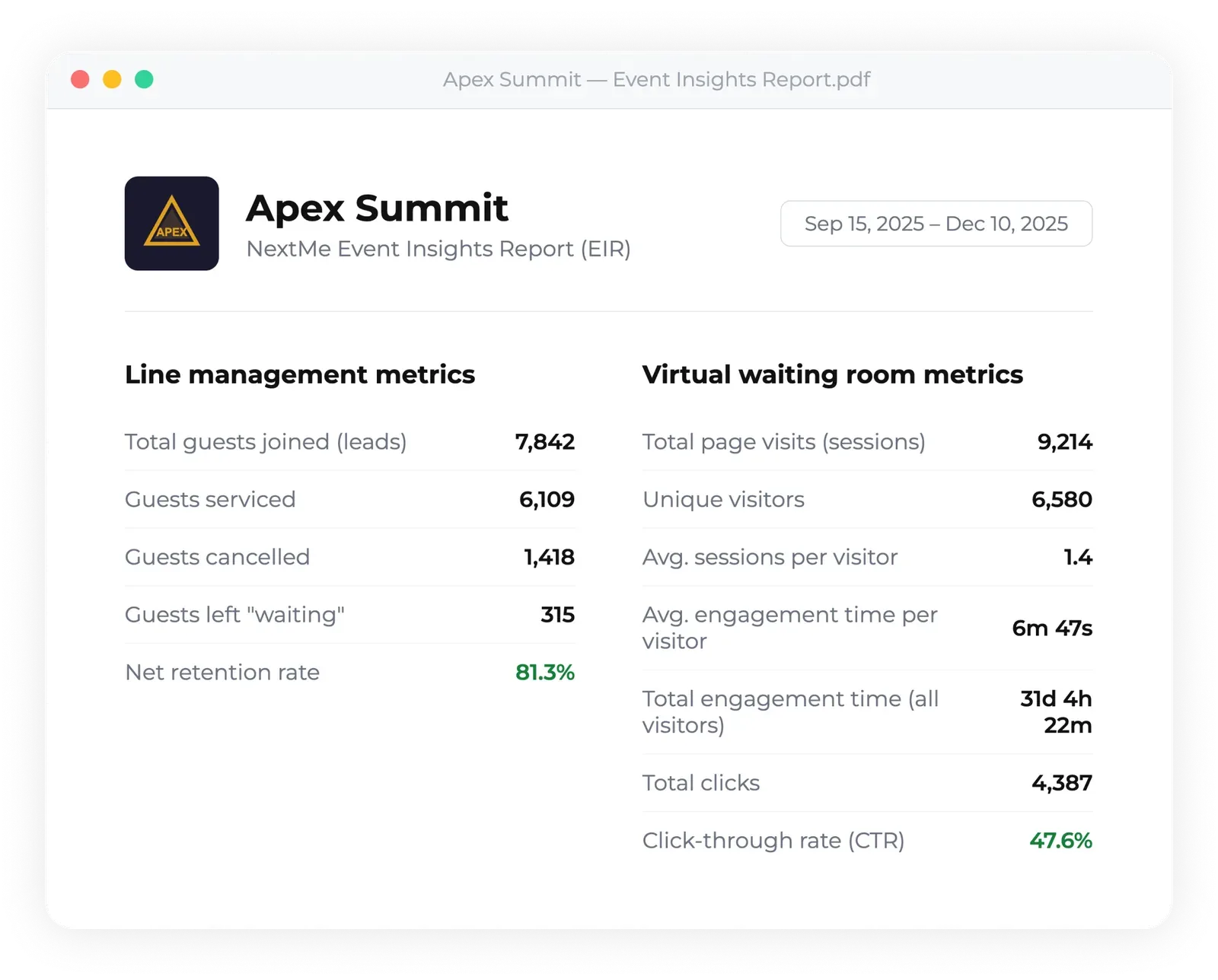
An engagement report closes the loop. After the event, NextMe produces a summary of queue activity: total guests checked in, average wait time, peak throughput windows, and engagement actions taken inside the virtual waiting room. For a sponsor, that translates into a deliverable: impressions served, interactions recorded, leads captured.
According to EventTrack 2026 data published by Event Marketer, 61% of consumers say they are more inclined to purchase after participating in a live brand experience. The virtual waiting room doesn’t just support that moment, it documents it. You can tell a sponsor not just that 600 people came through, but that 412 engaged with branded content, 180 answered the preference poll, and 73 clicked through to the product page.
F1 Arcade used this model at the Miami Grand Prix. The data from that session produced a structured report tied to specific sponsor content: not an estimate, not a headcount, a document. That’s the renewal pitch. The brands that are winning sponsorship renewals right now are the ones who show up to the post-event meeting with a number the sponsor didn’t expect to receive.
Turn your queue into a sponsor asset
The queue at your activation isn’t dead time. It’s a high-attention, phone-native audience window that the best brands are already treating as premium sponsor inventory. The virtual waiting room makes it configurable, measurable, and reportable.
If you’re running brand activations and want to close the loop between event spend and sponsor outcomes, see how NextMe supports event teams and brand activations. For the full data capture and ROI framing, this post on brand activation waitlists covers it in depth.