For an agency, every event becomes its own small technology decision. One producer picks a trade show waitlist app for a two-day booth. Another improvises with a paper sign-in sheet for a pop-up. A third just borrows whatever the last client happened to use. None of it connects. None of it teaches the agency anything it can reuse on the next show.
For an Account Director managing a full roster of clients, that pattern adds up fast. Every new event means retraining staff. It means re-explaining the check-in flow to a new client. It means starting the guest experience from zero, again. There is no shared data across accounts and no consistent report to hand a client at renewal. There is no way to walk into a new pitch already knowing how the queue will run.
The fix is not a better one-off tool for the next show. It’s picking one platform and running it the same way on every client account. This applies whether the event is a single booth or a five-city sponsorship tour. Here is what that actually looks like inside virtual queue software for events, why trade shows are where the problem shows up first, and what to lock down across every account.
What it means to standardize queue tech across every account
Standardizing queue tech means an agency picks one waitlist and virtual queue platform. It runs that platform the same way for every client. Nobody chooses new software, or improvises with a clipboard, every time a show comes up. Every producer logs into the same dashboard. Every account gets the same check-in flow, the same reporting format, and the same guest experience, no matter who is running the event that week.
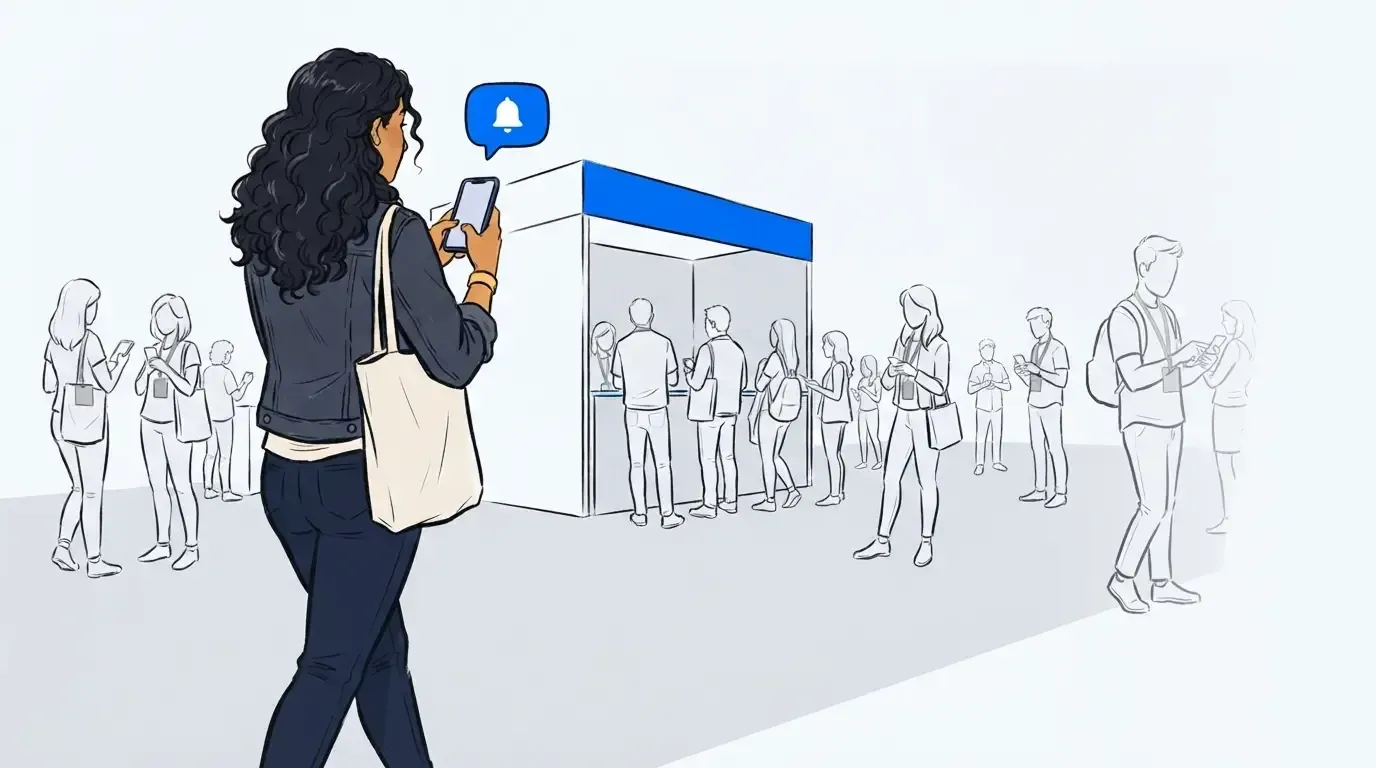
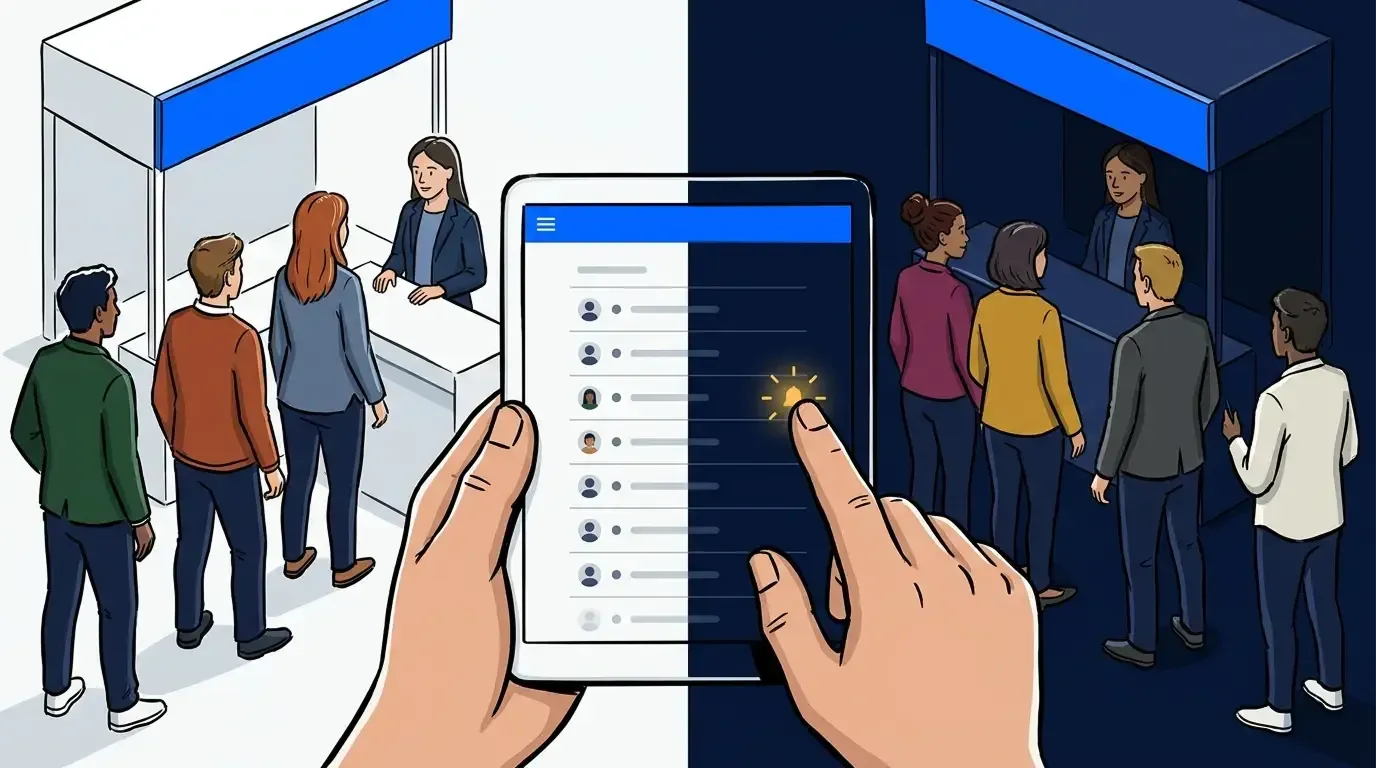
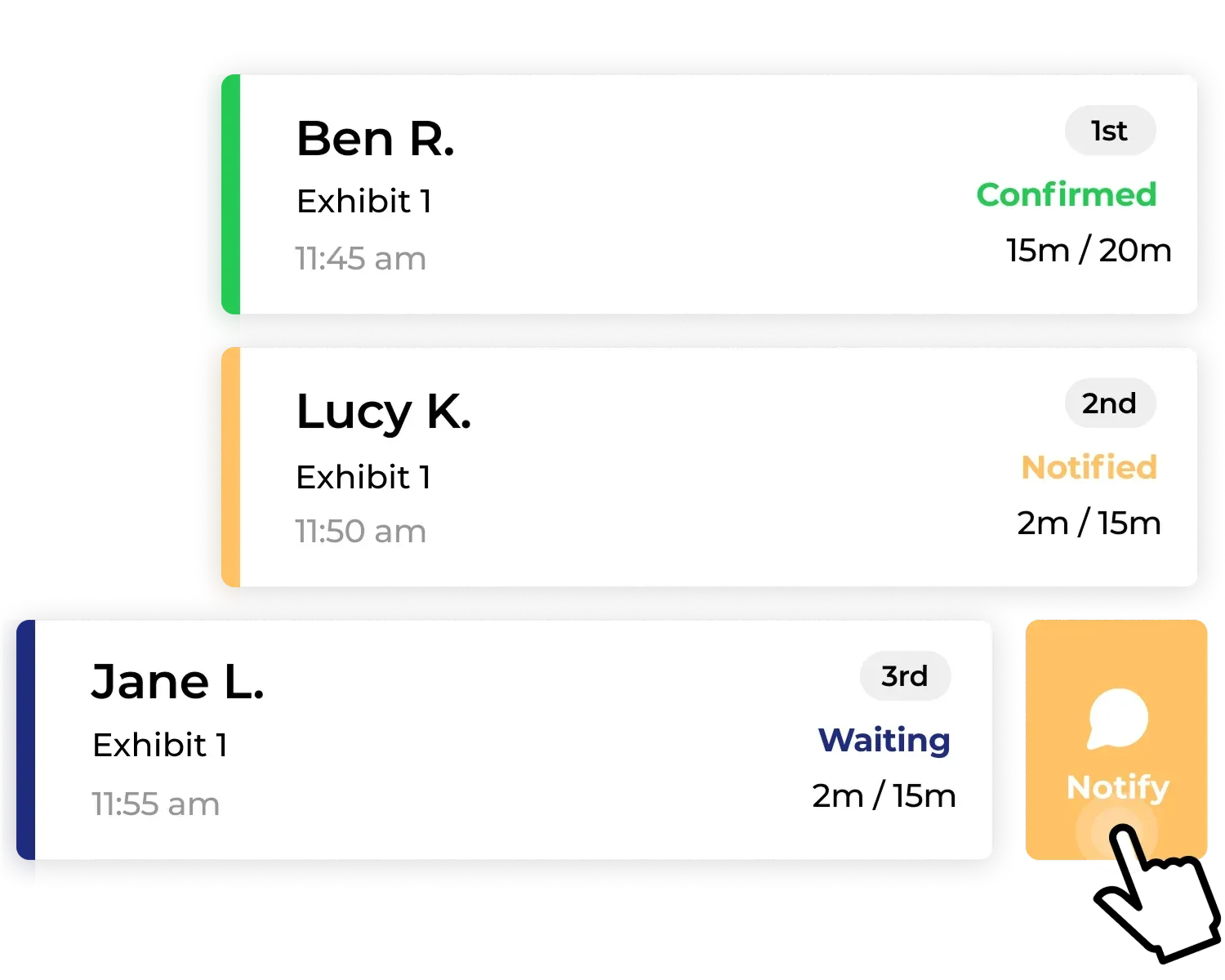
This is not about locking every client into an identical look. NextMe runs a hybrid model. Part of the line stays physical at the booth. Part moves into a virtual waiting room by text. The operator sets that split for each specific show. Branding, questions, and content inside the wait experience can still change client by client. What stays constant is the platform underneath it, the check-in method, and the data it produces.
Without that constant, an agency ends up running as many separate systems as it has clients. With it, every account manager already knows how guest flow works before the show even starts.
The real cost of re-solving queue tech for every show
Most agencies do not choose to run five different queue systems across their roster. It happens by default, one show at a time. A producer picks whatever tool worked at the last event. Or they use whatever login a client’s in-house team already had. Nobody at the agency level owns the decision. Nobody notices the pattern until renewal season, when several account teams turn up with several different kinds of reports for several different clients.
The costs are practical, not abstract:
- Staff retrain on a new tool for every show, instead of getting faster with the one they already know
- There is no shared reporting format, so client recaps get rebuilt from scratch each time
- Guest experience varies by which producer is staffing the event, not by client preference
- Nothing compounds. A lesson learned at one trade show does not carry over to the next, even for the same client
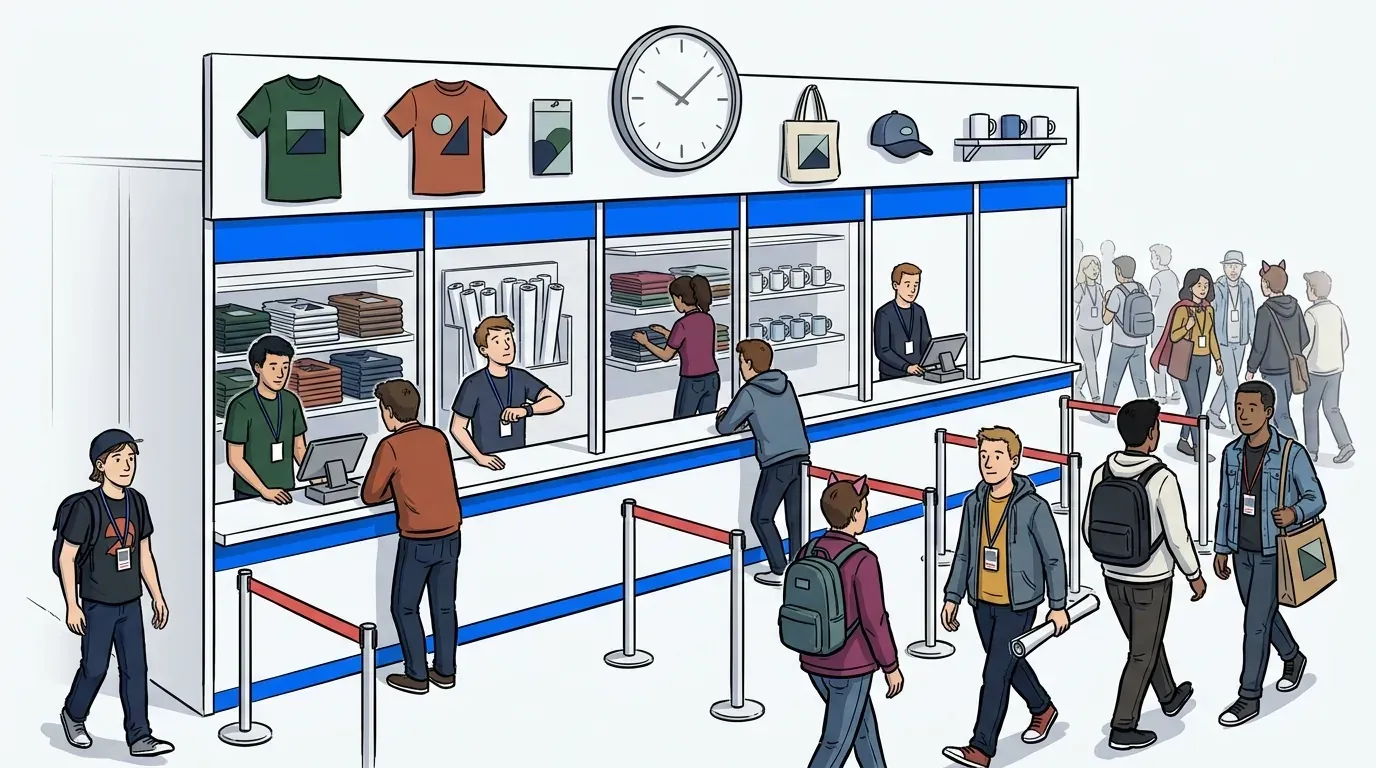
A single unmanaged trade show booth line is its own operational headache. Multiply that across a full client roster. The agency ends up solving the same problem over and over, with a different answer every time.
Why trade shows are where a standard trade show waitlist app matters most
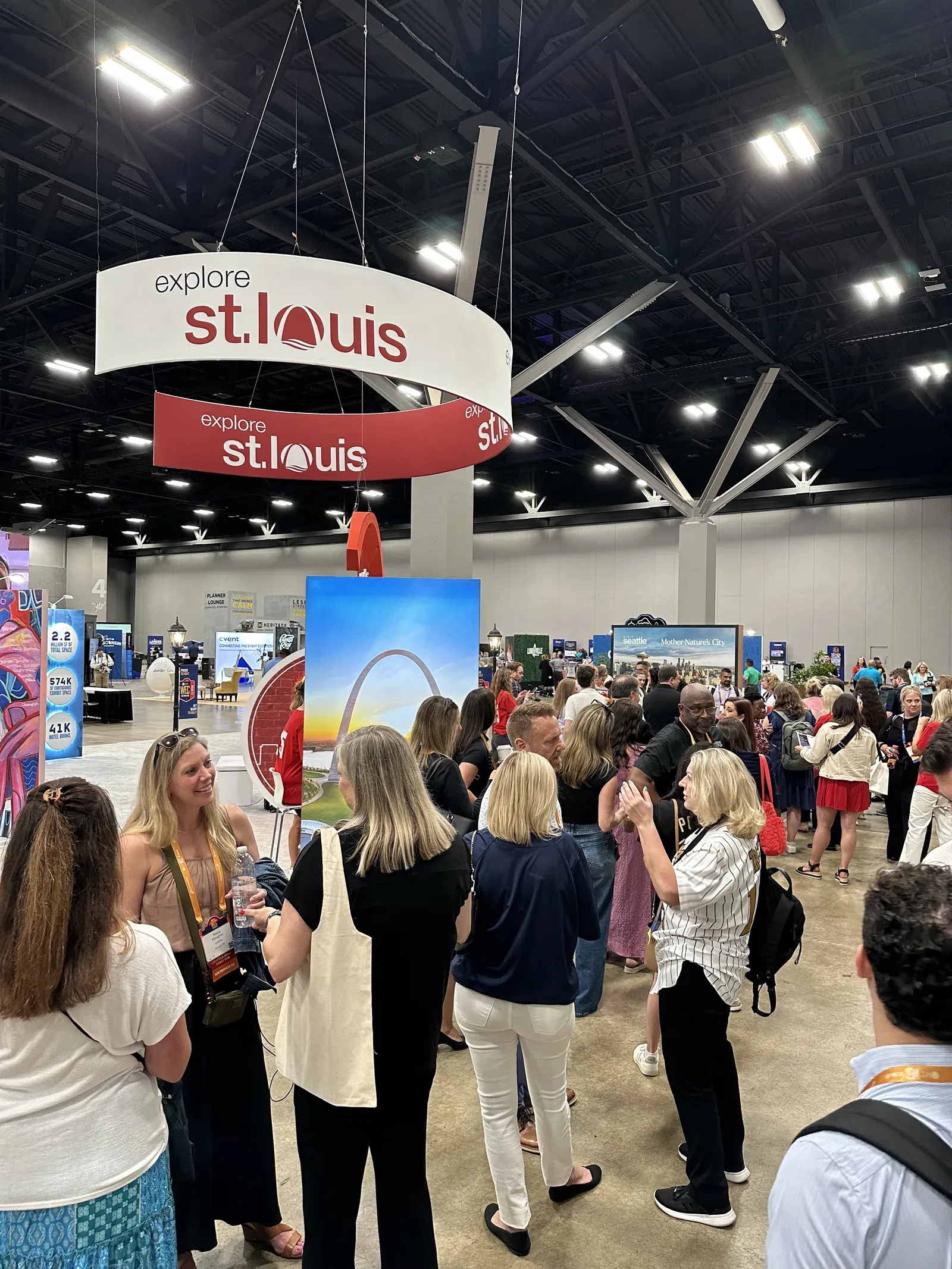
Trade shows are usually where this shows up first, because they are the most repeated event type on an agency’s calendar. EXHIBITOR Magazine’s 2025 Reader Survey found that about half of exhibit managers oversee more than 10 corporate events a year. An agency running that account is not picking a trade show waitlist app once. It’s making that call, informally, more than 10 times a year, unless someone standardizes it first.
Octagon, a sports marketing and sponsorship agency, ran into this at scale while producing BMW’s Ultimate Driving Experience tour. The activation moved across 25 U.S. cities. Every stop needed the same test drive queue to work the same way, for a different local crew. Running one platform at every stop, instead of re-selecting a system city by city, gave the team a consistent queue. It held the crew size steady across the whole tour and cut the walkaways that come from ad hoc lines.
XD Agency ran into the same pattern producing LEGO’s five-city Formula 1 “Build the Thrill” tour. Rather than reconfiguring guest flow at each stop, the production team used the same queue and Virtual Waiting Room setup at all five. They engaged more than 4,000 guests overall, holding an average of over four minutes of engagement per guest inside the branded wait experience. Same platform, five different cities, one set of results the agency could actually compare and report on.
What to standardize across every client account
An agency does not need every client to look identical inside the platform. It needs the underlying mechanics to stay the same everywhere. That is what makes the agency’s own team faster with every show, not just the client. Four things are worth locking down across the whole roster:
- Check-in method: guests join the same way at every event, by scanning a QR code or tapping a link, rather than the self check-in flow changing from show to show
- Notification channel: SMS as the default, with WhatsApp available for international audiences, so producers are not relearning how guests get updated
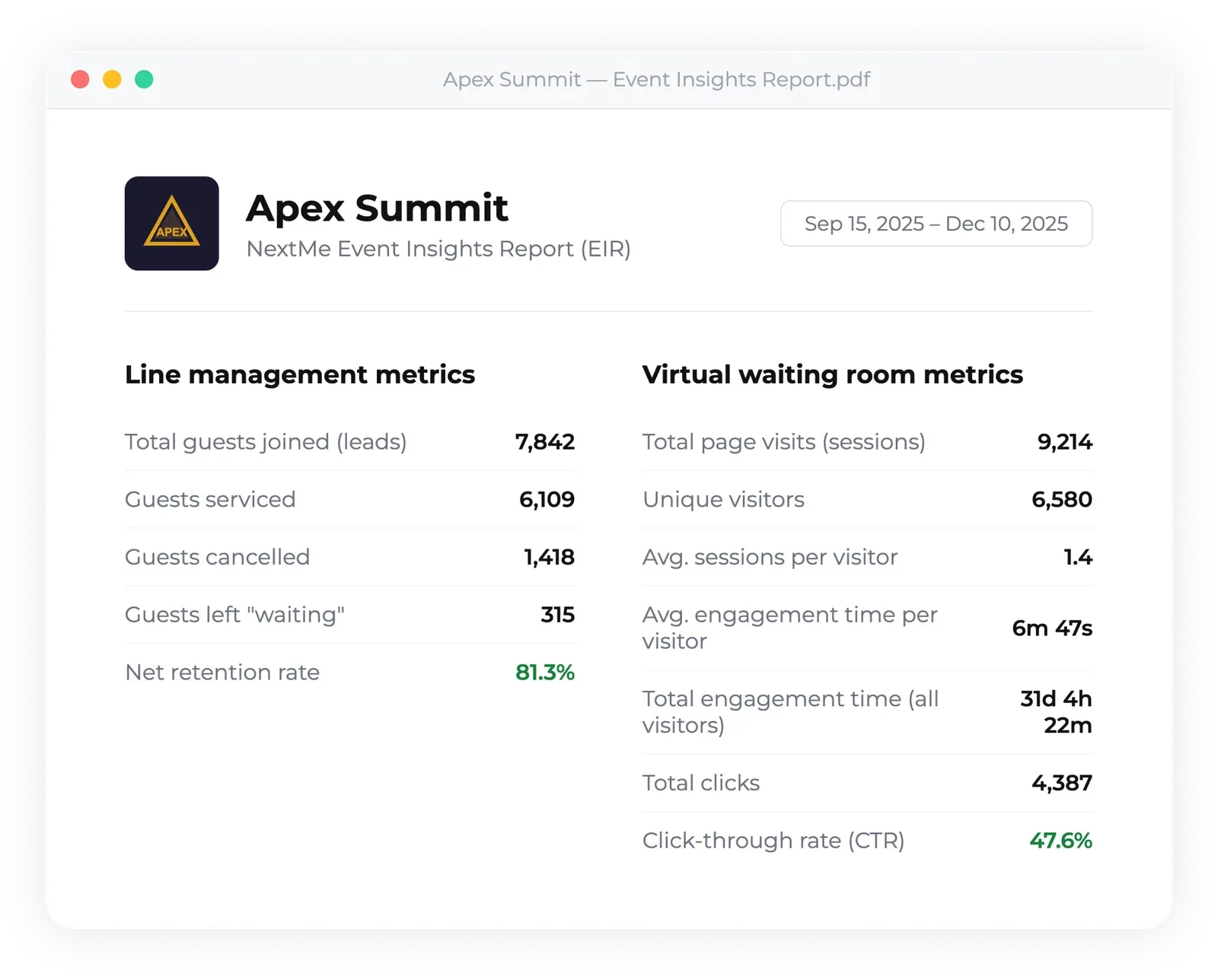
- Reporting format: the same analytics dashboard and post-event report structure for every client, so a recap for one account gets built the same way as the last
- Virtual Waiting Room templates: a repeatable content structure, such as polls, product carousels, and sponsor placements, that gets re-skinned per client rather than rebuilt from scratch
Standardizing these four does not flatten the client experience. It just means the agency stops rebuilding the same setup on every account.
How this changes the conversation with clients
For an Account Director, the value is not only operational. It shows up in the pitch. An agency that already knows how guest flow will work on day one sounds more prepared. That is worth more than a competitor still deciding on a tool during onboarding.
It also changes what a renewal conversation looks like. A post-event report built the same way every time turns into a track record, not a one-off deliverable. A client can compare it show to show. Agency leadership can use it to make the case for expanding NextMe across the rest of the account’s calendar, not just the one show that triggered the first deployment.
That is the actual payoff of standardizing: not a single better trade show, but a repeatable one, on every account, every time.
Conclusion
Re-solving queue technology for every show is not a strategy. It;s what happens by default when nobody owns the decision at the agency level. Standardizing on one trade show waitlist app does not mean every client looks the same. It means every producer already knows how guest flow works. Every report gets built the same way. Every new show starts further ahead than the last one.
For agencies weighing what to standardize first, NextMe is built to run the same way across every account, from a single booth to a multi-city tour.