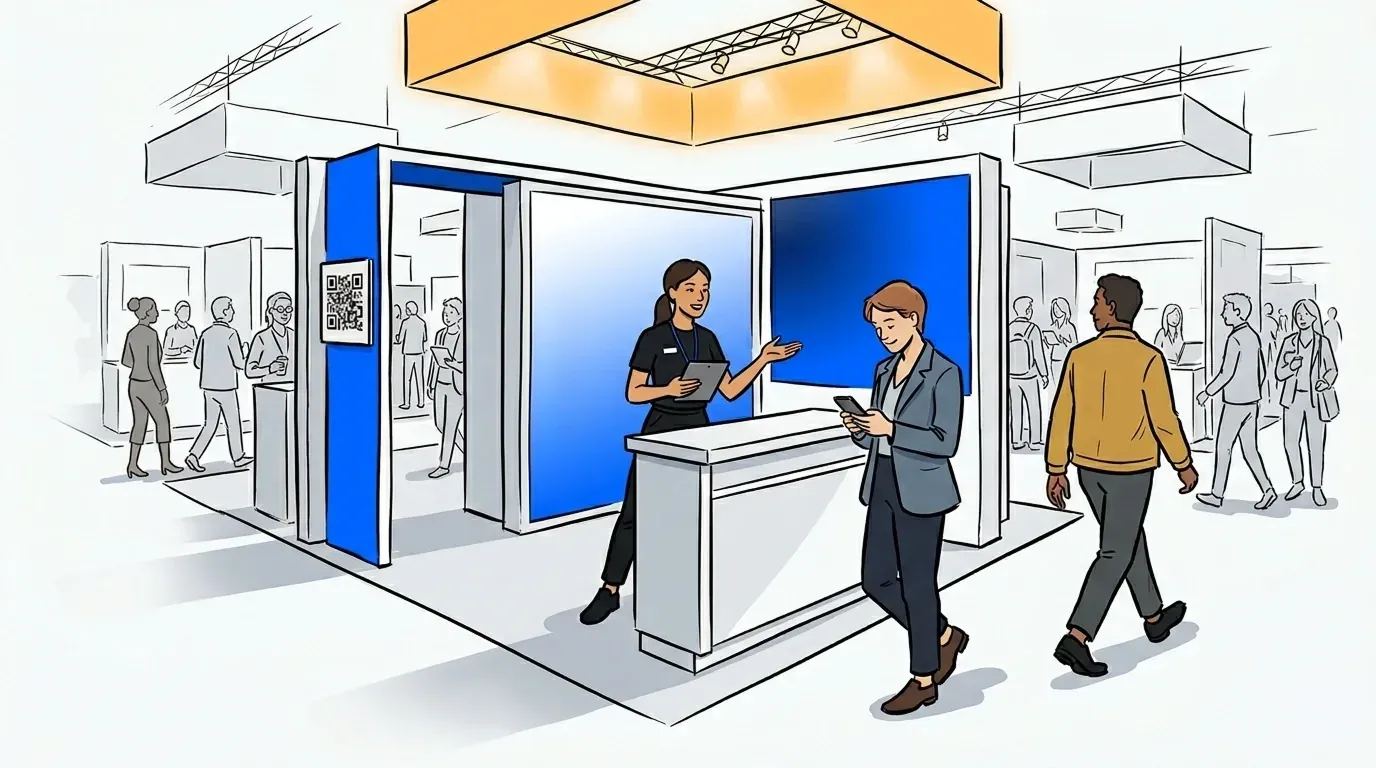
A trade show booth is one of the highest-stakes marketing investments a company makes. The floor fee, the build, the travel, the staffing - by the time the show opens, most exhibitors have committed five figures minimum to three days of face-to-face selling.
And then the crowd shows up and everything falls apart.
A Cvent analysis of trade show data found that 81% of trade show attendees have buying authority, and 72% are more likely to purchase from an exhibitor they meet in person. The opportunity is enormous. But only if your booth can actually handle the traffic.
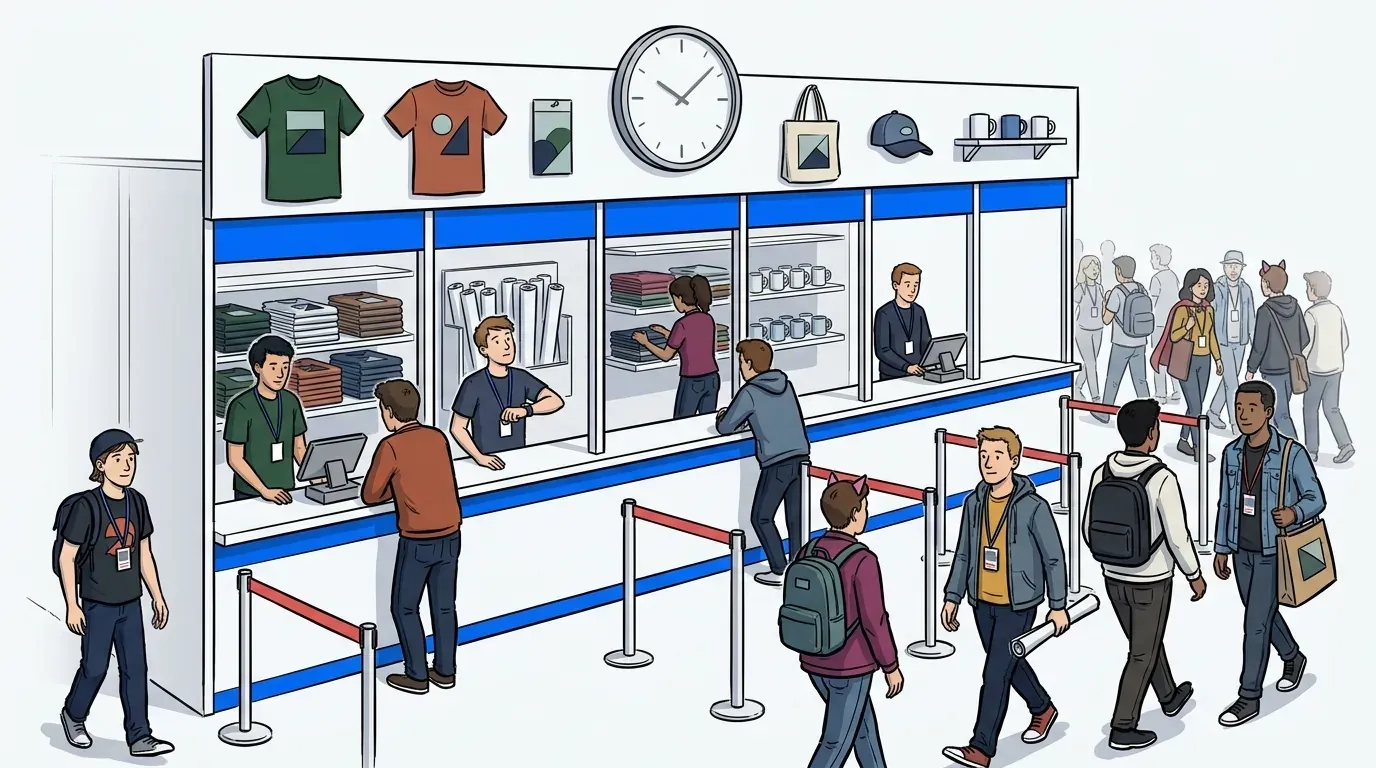
Most cannot. Visitors walk up, see a crowd, and keep walking. Demo slots fill up with tire-kickers while qualified buyers move on. Staff get pulled in multiple directions and no one gets a proper conversation. The leads that were supposed to justify the entire trip never make it into the CRM.
This guide covers how exhibitors lose booth traffic before it converts, and how trade show booth queue management turns a chaotic booth into a structured engagement funnel.
What trade show booth queue management actually means
Trade show booth queue management is the system an exhibitor uses to control the flow of visitors through their space - ensuring that every person who stops at the booth gets a meaningful interaction, and that no qualified lead walks away because the line looked too long.
Done well, it means your demos run on time, your staff are never overwhelmed, and the visitors who commit to waiting are captured as contacts before they ever reach the front of the queue.
Done poorly, or not done at all, it means your highest-traffic moments are also your highest-loss moments.
The three ways a trade show booth leaks leads
Most exhibitors attribute poor show performance to the wrong causes: bad booth placement, low foot traffic, weak creative. In most cases the real problem is structural. There are three specific moments where booth traffic converts into lost leads.
Crowd deterrence. When visitors approach a booth and see a cluster of people with no clear queue structure, the default response is to move on and come back later. Most never come back. Trade Show PRO’s 2026 statistics show that average booth dwell time is just 5-8 minutes - and 67% of attendees at any given show are new prospects not already in the exhibitor’s CRM. Every deterred visitor is a cold contact you will never recover.
Unmanaged demos. When demos run without a queue, the staff member running them has no visibility into who is next, how long the current demo has been running, or how many people are waiting versus browsing. Demos run long, visitors disengage, and the throughput that justified the booth size never materializes.
Unqualified dwell. Without a capture mechanism at the point of interest, visitors who are willing to wait have no reason to identify themselves. They hover. They watch. They leave. The moment of highest intent, when someone stops and commits to learning more, passes without a single data point being captured.
Trade show booth queue management solves all three.
How the virtual queue works for booth visitors
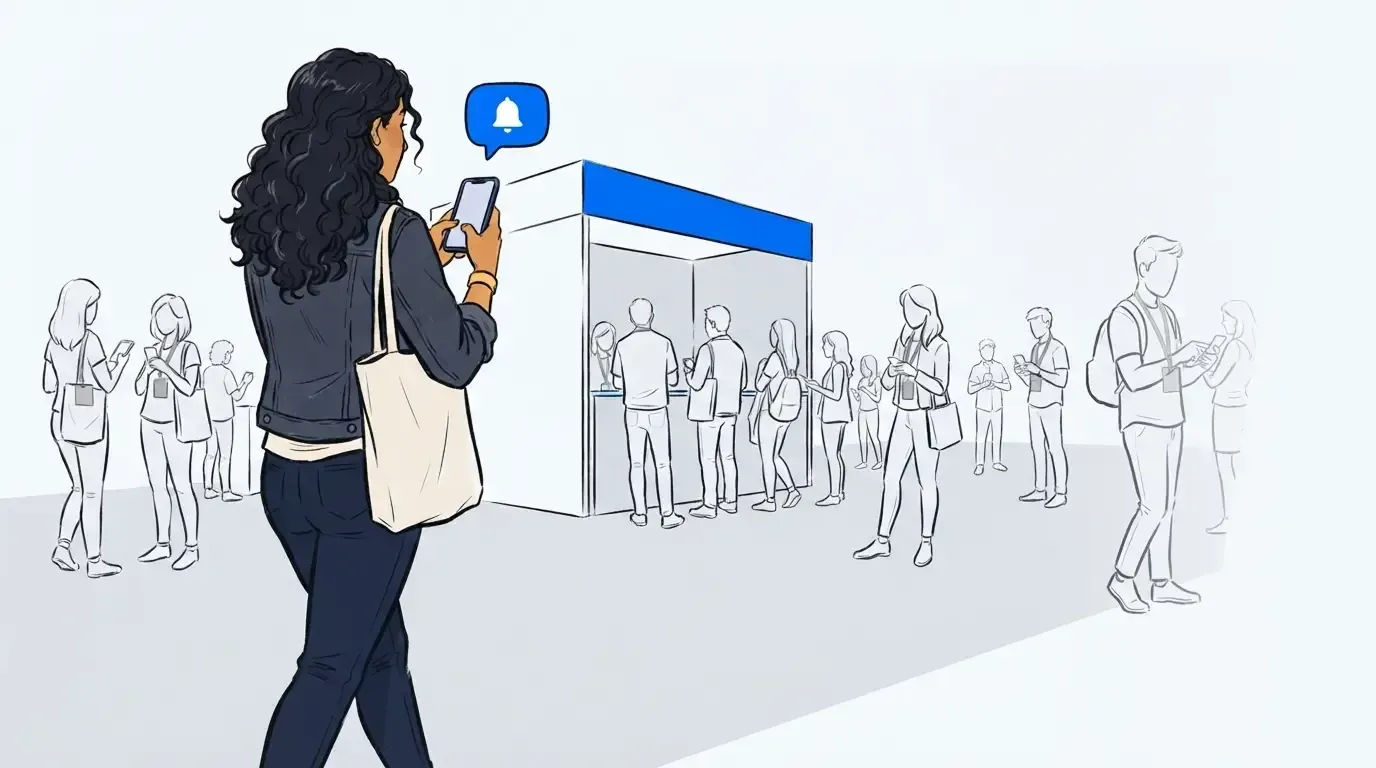
When NextMe is deployed at a trade show booth, the setup is simple. A QR code at the booth entrance lets visitors join the queue from their phone without stopping at the front desk. The moment they scan, they are in the system: name, contact information, and time of arrival captured automatically.
NextMe sends the visitor an SMS confirmation with their position in the queue and an estimated wait. They can walk the floor, visit neighboring booths, or grab coffee - knowing they will receive a notification when their demo slot is approaching. When they return, they are already a captured contact.
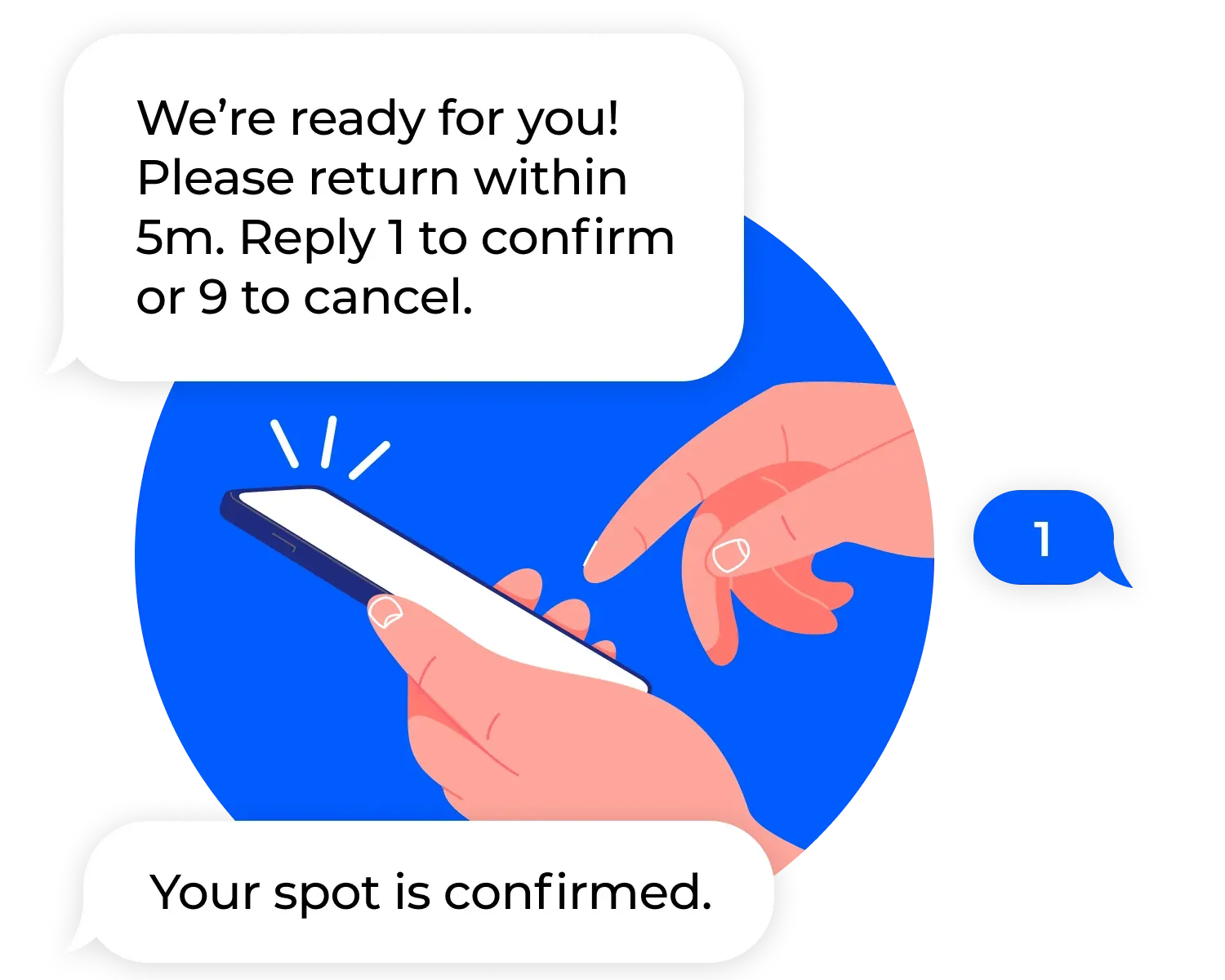
The crowd at the front of the booth disappears. The visible pile-up that deterred other visitors is gone. And the staff can focus entirely on running a great demo rather than managing who is next.
For exhibitors who used this approach previously, the brand activation waitlist guide covers the broader strategy for experiential and activation contexts.
What the queue dashboard gives your booth team
From the staff side, the dashboard gives the booth team something most exhibitors have never had: real-time visibility into the full visitor queue.
At a glance, staff can see how many people are waiting, how long each person has been in the queue, and who is next for a demo. Calling the next visitor is a single tap - NextMe sends the SMS automatically. No shouting names. No searching the floor. No lost visitors who drifted too far.
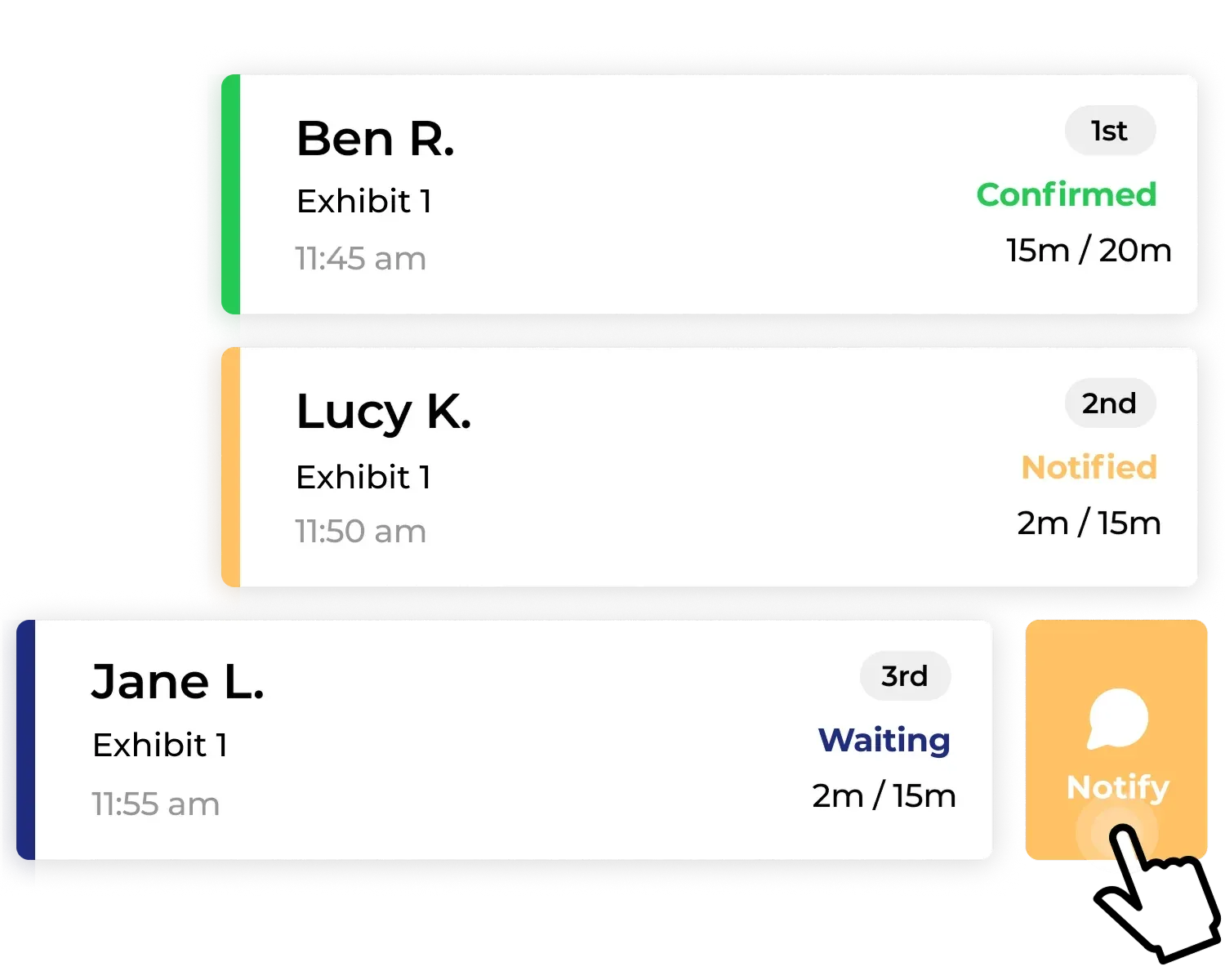
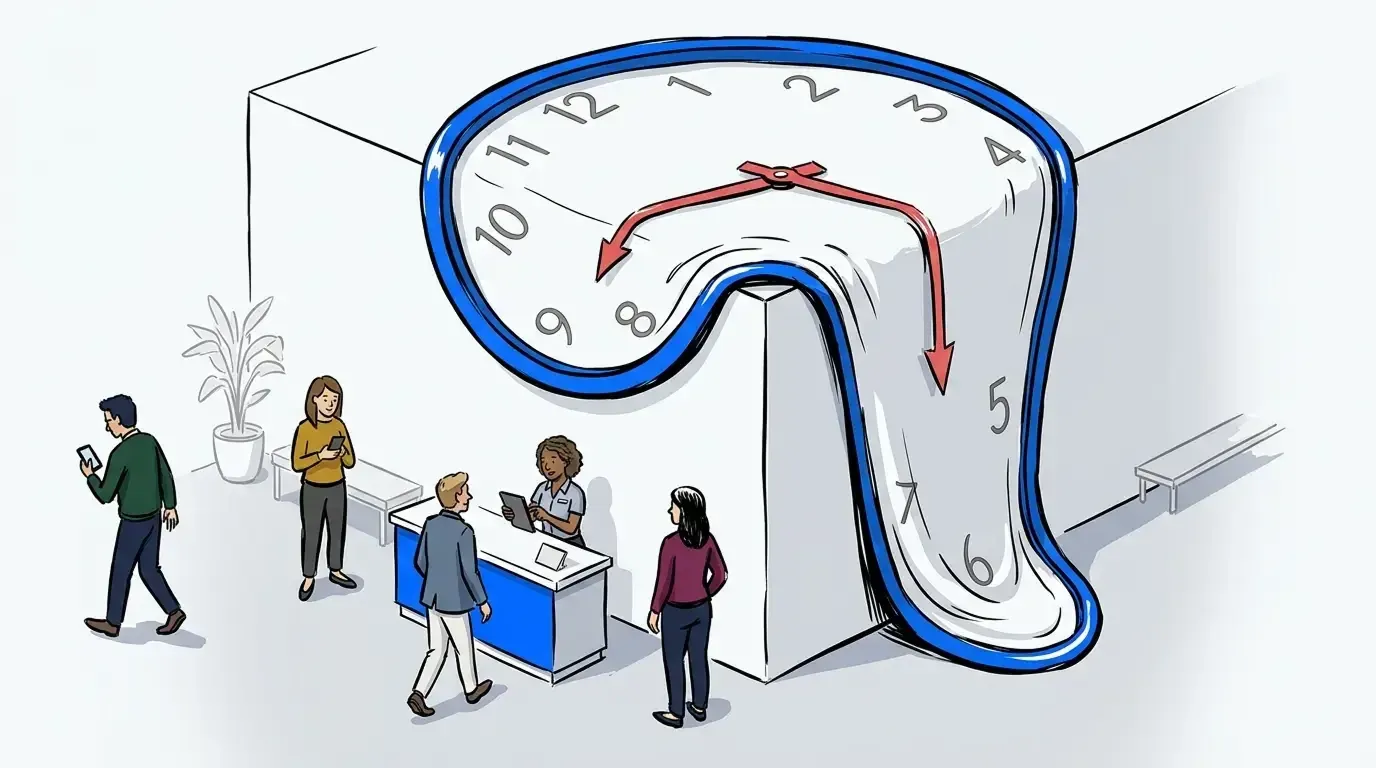
When a demo runs long, the queue adjusts in real time. Staff can add buffer time, send an updated ETA to waiting visitors, or reassign a visitor to a different team member. The booth operates with the same discipline as a well-run appointment book, even when walk-up traffic is unpredictable.
For a full walkthrough of how the queue system works in a trade show context, the trade show booth queue guide covers the operational setup in detail.
The waiting room as branded real estate
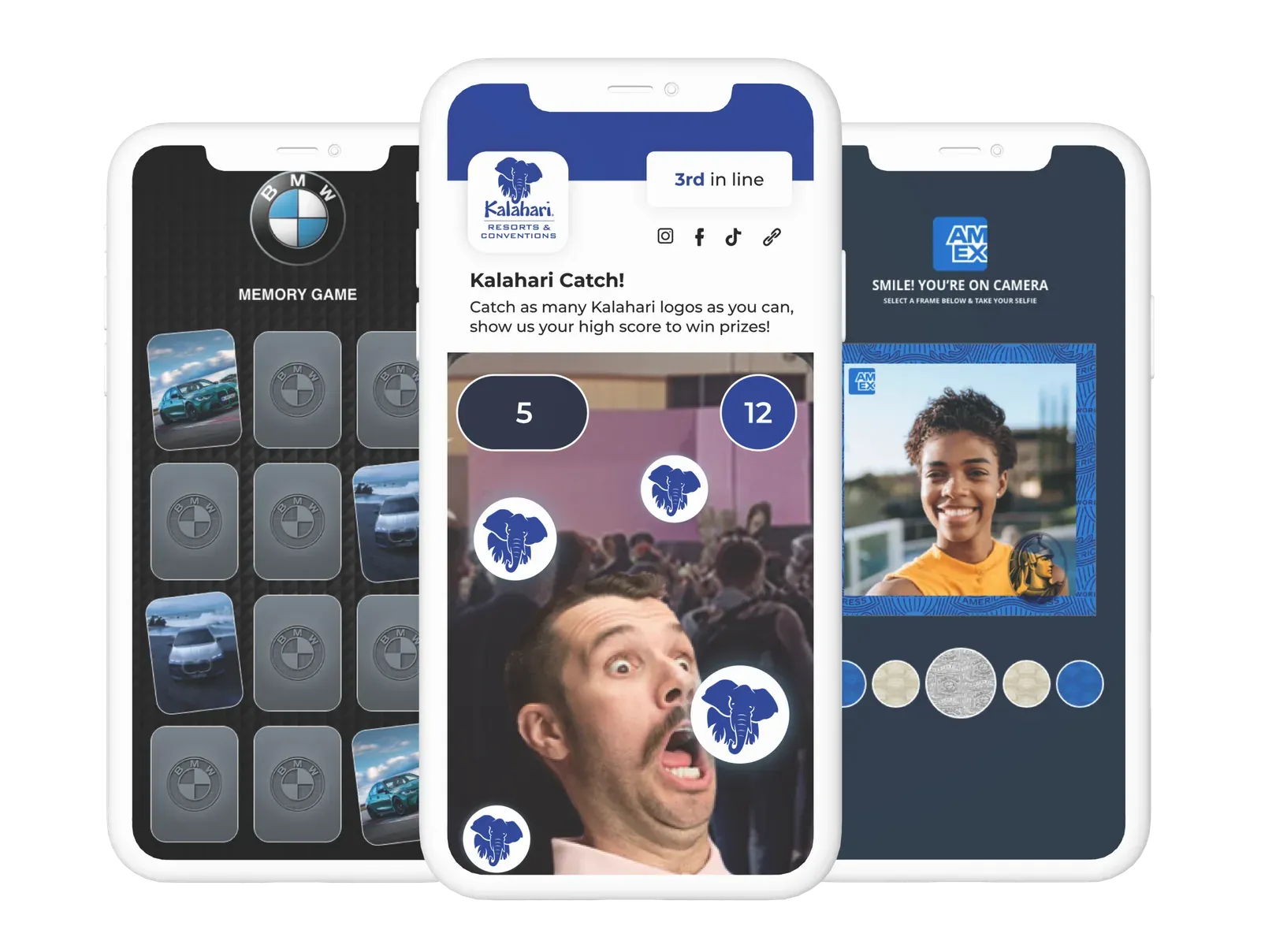
Every visitor who joins the queue sees the virtual waiting room on their phone while they wait. This screen is fully configurable: exhibitors can display product videos, case study highlights, upcoming demo schedules, social media links, or a direct CTA to book a post-show follow-up call.
A visitor who spends eight minutes watching a product demo video while they wait for their in-person demo is a warmer lead than one who has been standing in a static line watching nothing. The queue wait becomes a pre-qualification layer.
For brands running sponsored activations at larger shows, the virtual waiting room also functions as captive sponsor inventory - measurable impressions with a captive, self-selected audience at the moment of highest intent. The Events industry page covers how NextMe handles both exhibitor booths and sponsor activations within the same platform.
Conclusion: every visitor who walks away is a lead you paid for and lost
Trade show exhibiting is expensive precisely because face-to-face selling works. The data backs it up: the majority of attendees have buying authority and are more likely to buy from someone they meet in person. But that advantage only holds if your booth can actually handle the traffic without losing visitors to crowd deterrence, demo chaos, or missed capture moments.
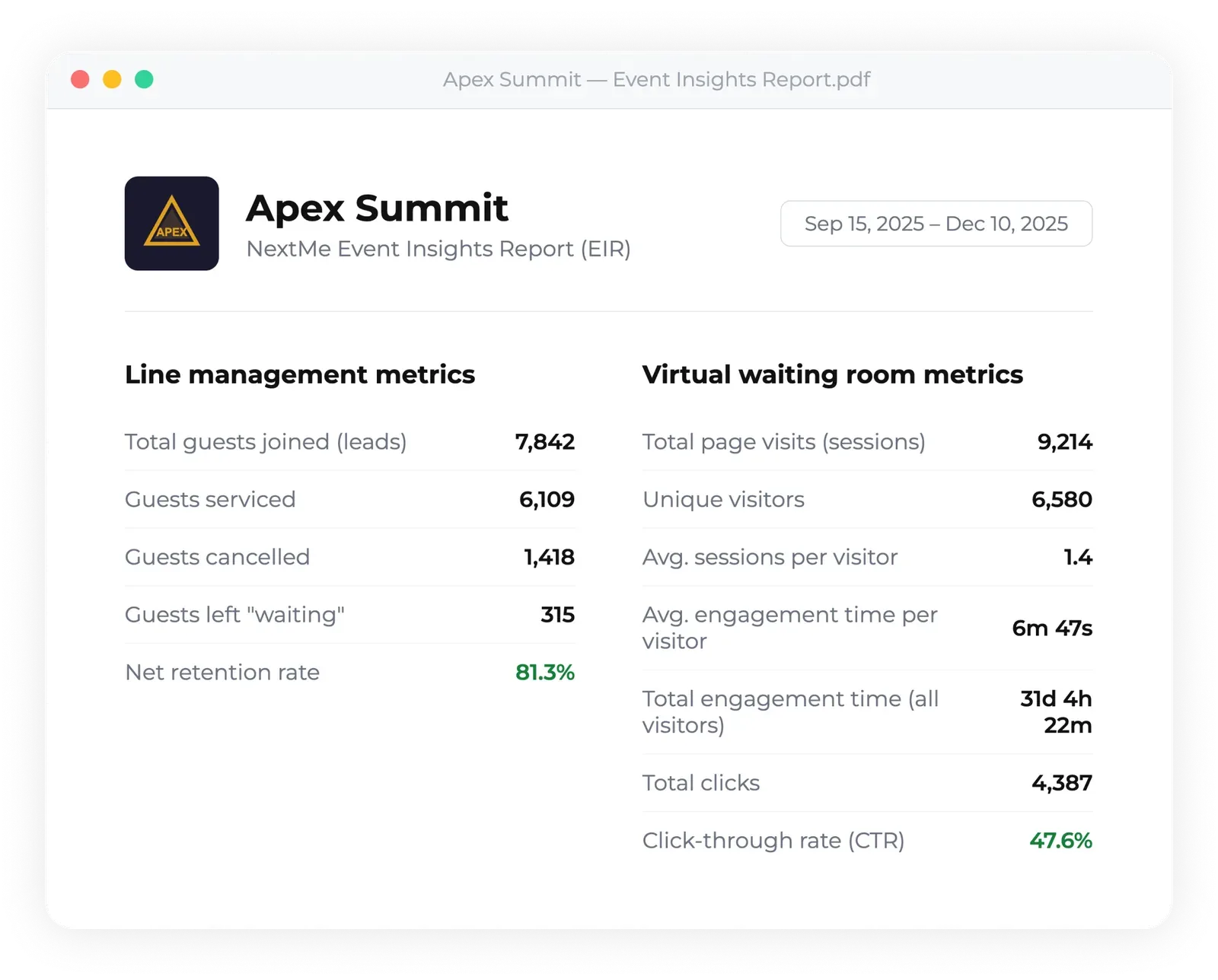
Trade show booth queue management does not add complexity to the booth operation. It removes it - replacing the pile-up at the front with a structured flow that captures every visitor, runs demos on time, and gives your team visibility into the entire pipeline from a single screen.
For a broader look at how NextMe supports event operations beyond the trade show floor, the Complete Guide to Event Queue Management is the starting point.