A full lobby doesn’t always mean a slow clinic. It usually means pet owners have no idea how long they’ll be sitting there, and that uncertainty is what actually drives complaints, bad reviews, and stressed pets. If you’re looking for practical ways to reduce wait times at a vet clinic, the fix isn’t always more staff or a bigger waiting room. It’s giving owners visibility into where they stand the moment they walk in.
Most of the wait a client actually experiences happens between check-in and being called back, and that stretch is exactly where a digital queue can shorten both the real time and the perceived time. This post covers five practical ways to cut wait times without adding headcount: connecting arrival straight to the queue, letting owners wait outside or in the car, giving the front desk real visibility, and treating perceived wait as seriously as the clock.
How to reduce wait times at a vet clinic
The fastest way to reduce wait times at a vet clinic is to connect arrival straight to a digital queue, so pet owners get real-time SMS updates instead of sitting and wondering. Combined with letting clients wait outside or in the car, giving staff a live view of who’s next, and building appointments and walk-ins into one queue, clinics can cut both the actual wait and the frustration that comes with an unclear one. None of these fixes require adding staff or expanding the lobby.
- Let clients check in the moment they arrive, from their phone or a lobby tablet.
- Send automatic SMS updates so owners know their place in line without asking the front desk.
- Let pet owners wait outside or in the car instead of a crowded lobby.
- Give staff a live queue view so no one relies on a paper sign-in sheet.
- Combine walk-ins and scheduled appointments in one queue so nothing gets double-booked.
Connect check-in to the queue the moment guests walk in
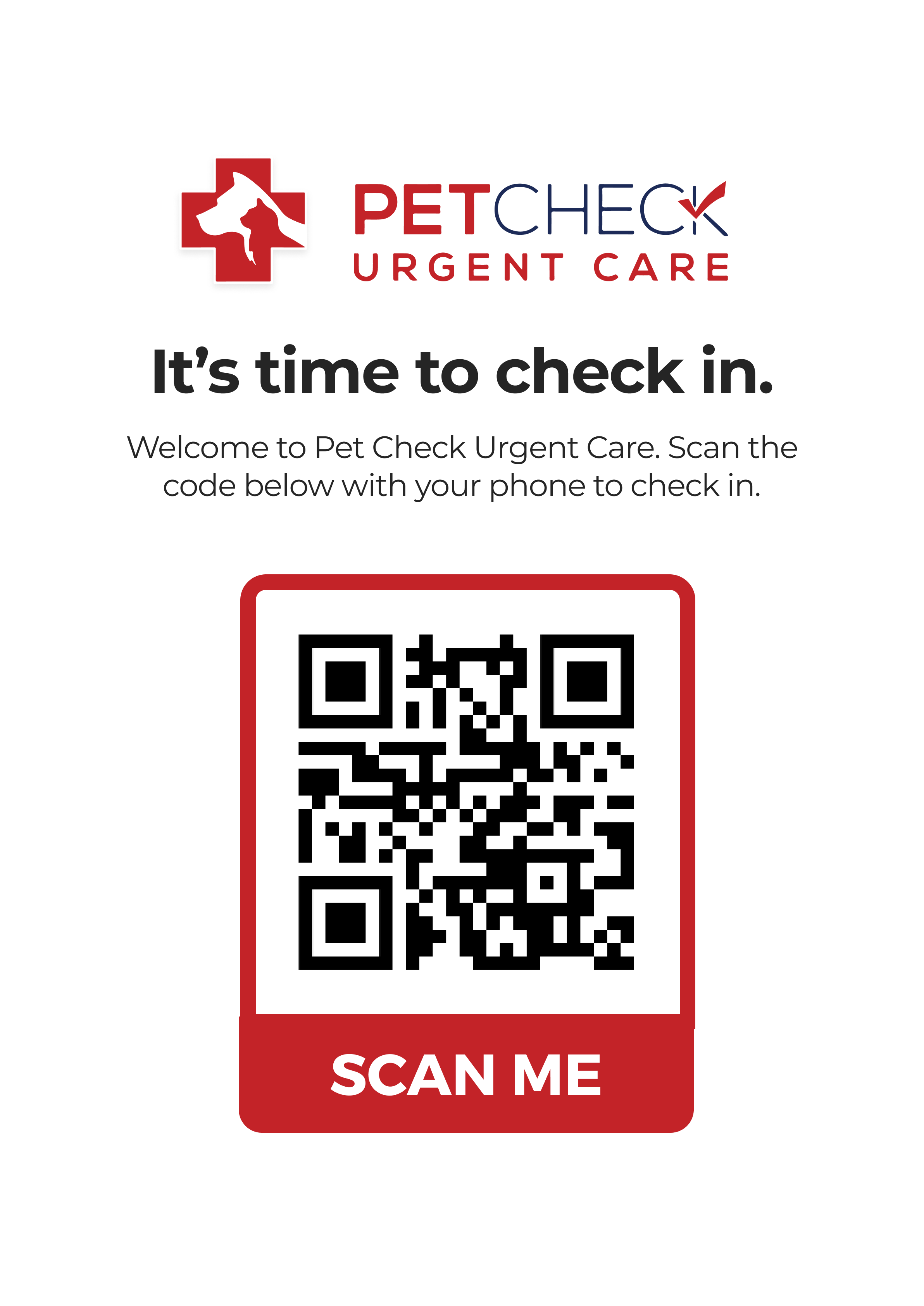
NextMe’s self check-in lets pet owners scan a QR code from the lobby, a car window cling, or an entry sign, and join the queue in seconds without waiting for a staff member to be free. The moment they check in, they’re visible on the clinic’s live queue, and everything downstream, from SMS updates to call-back timing, runs off that single arrival event.
This works the same way whether someone booked ahead or walked in cold. Appointments and walk-ins land in the same queue, so a clinic isn’t juggling two separate lists or guessing which patient to call back next. Owners who booked online and owners who just showed up both go through the same simple check-in step, and staff see all of them on one screen.
Let pet owners wait outside instead of in a crowded lobby
A waiting room full of anxious dogs, hissing cats, and owners checking their phones every two minutes isn’t good for anyone, least of all the pets. Once a client is checked in, there’s no reason they need to sit inside for the whole wait.
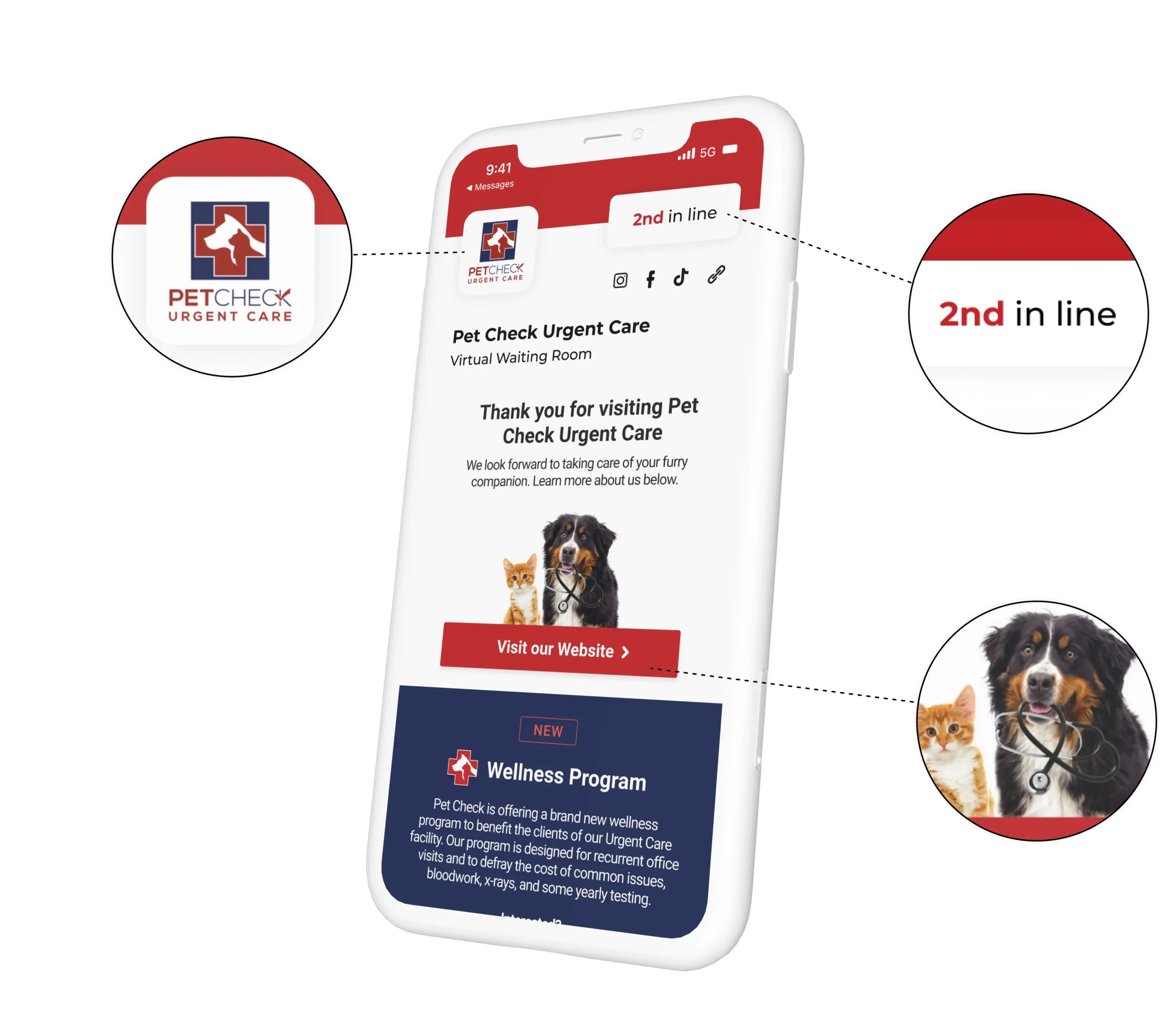
NextMe sends automatic text updates as a patient moves up the queue, so owners can wait in the car, step outside, or run a quick errand and still know exactly when to come back in. For clinics that want to do more with that window, a virtual waiting room gives owners something useful to look at on their phone instead of a plain status message, from care tips to appointment reminders.
Give the front desk real-time visibility, not more headcount
Front desk staff can’t manage a queue they can’t see. Without a live view of who’s waiting, who’s urgent, and who’s been sitting the longest, the front desk becomes the bottleneck. As covered in how a veterinary clinic queue system keeps patients moving, that operational infrastructure is what keeps check-in from turning into a second waiting line of its own.
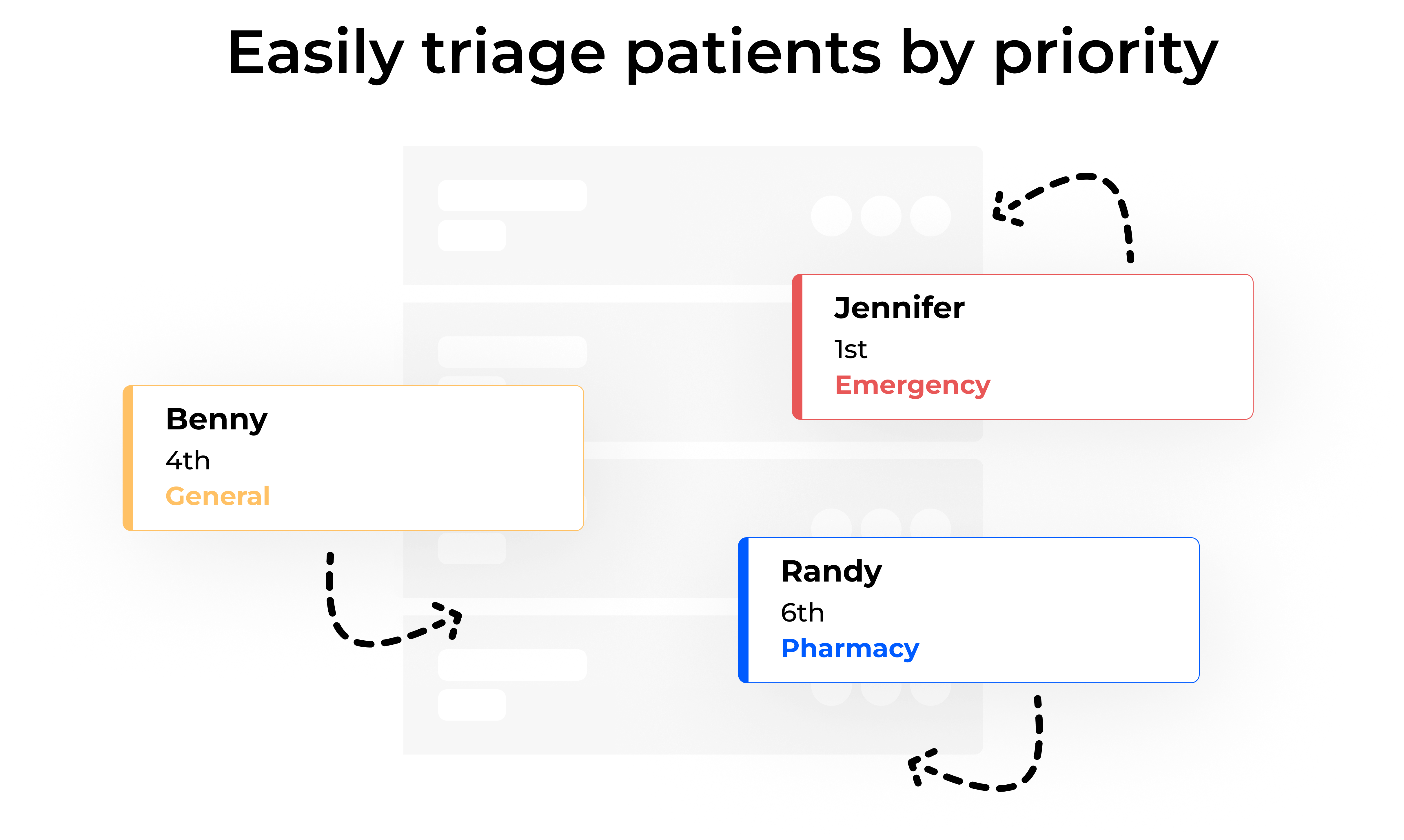
A live dashboard lets staff triage by priority instead of by who showed up first, which matters when an urgent walk-in needs to be seen ahead of a routine nail trim. Ally Urgent Veterinary Care saw better triage accuracy and staff efficiency after switching to priority-based queue routing, along with a meaningful lift in positive online reviews. That kind of visibility also removes the repeated “how much longer” interruptions that break staff focus, which is part of what we cover in the hidden costs of poor veterinary waiting room management.
Why perceived wait matters as much as the clock
A ten-minute wait feels short when a client knows they’re next. It feels endless when they have no idea if the front desk has forgotten about them. That gap between actual and perceived wait is often the bigger problem to solve, and it’s one most clinics don’t measure because it doesn’t show up on a schedule.
The AVMA points to identifying and removing hidden workflow friction as one of the more effective ways to shorten the time clients spend waiting to be seen, alongside empowering the full care team to work at the top of their training. A digital queue tackles the friction side directly: it removes the guesswork that turns a short wait into a frustrating one, the same principle behind good queue management for veterinary clinics generally, not just this one fix.
Frequently asked questions
How can a vet clinic reduce wait times without hiring more staff?
A digital queue connects arrival to a live wait list, sends automatic SMS updates, and lets owners wait outside instead of in the lobby, which cuts down on the constant “how much longer” interruptions that slow the front desk down. None of this requires extra headcount, just a clearer view of who’s waiting and where they stand.
Can pet owners wait in their car instead of the clinic lobby?
Yes. Once a client checks in, NextMe sends automatic text updates as they move up the queue, so they can wait in the car, sit outside, or step away and still know exactly when to head back in.
How does a digital queue handle both walk-ins and scheduled appointments?
Walk-ins and appointments land in the same live queue rather than two separate lists, so staff can see and manage both from one dashboard instead of juggling a paper sign-in sheet alongside a booking calendar.
Does reducing perceived wait time matter as much as reducing actual wait time?
Often more. Clients who know where they stand tend to tolerate a wait far better than clients left guessing, even when the actual time is the same, which is why visibility into the queue matters as much as the queue itself.
What is the fastest change a vet clinic can make to shorten its lobby wait?
Moving check-in to a QR code or self check-in point that feeds a live digital queue is usually the fastest change, since it replaces a paper sign-in sheet with real-time visibility for both owners and staff on day one.
Shorter waits start with visibility, not more staff
Cutting wait times at a vet clinic almost always comes down to the same lever: give owners and staff a clear, real-time view of the queue instead of asking them to guess. Connect arrival to the queue, let clients wait wherever is most comfortable, and put that same visibility in front of your front desk team. If you’re also rethinking how check-in itself works, our guide on what to look for in a vet clinic check-in app is a good next read. See how NextMe works for your clinic.