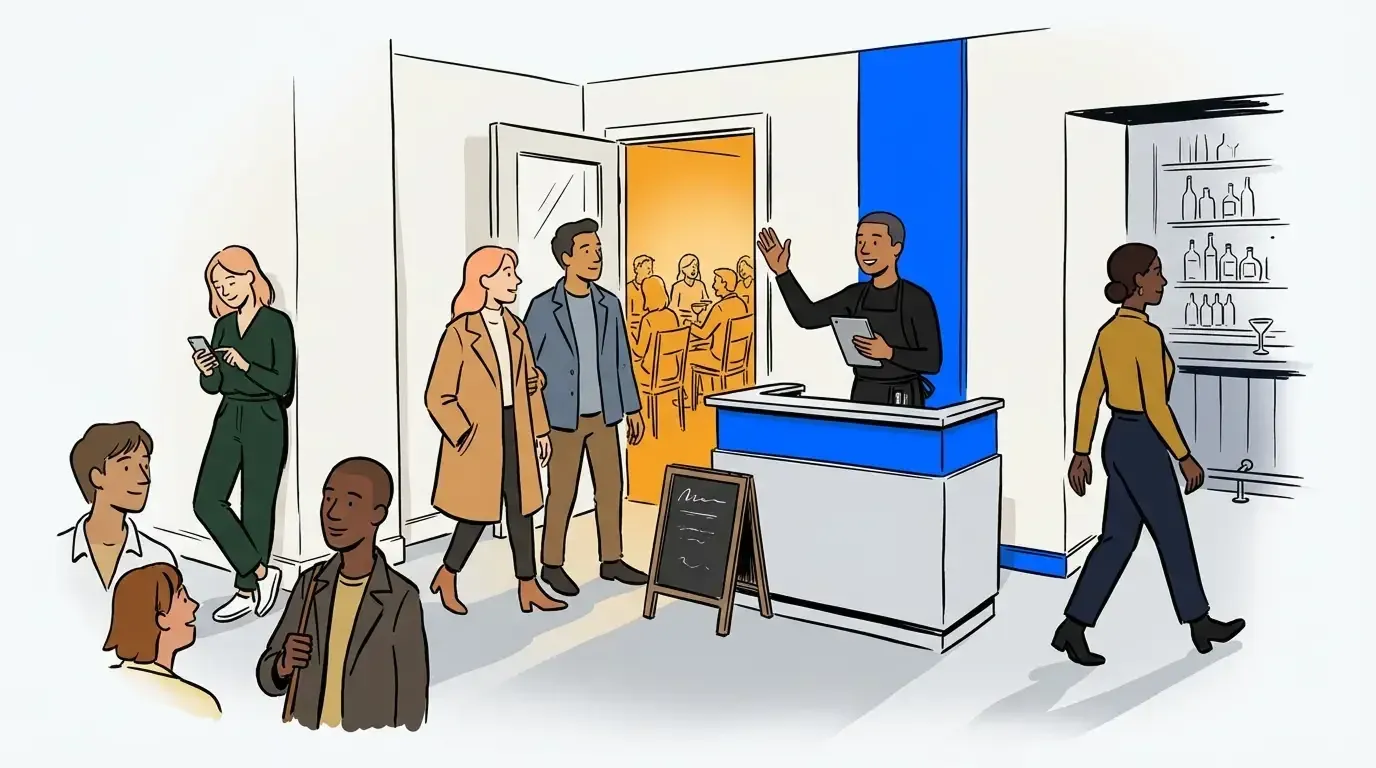
Walk-in restaurants have a reputation for chaos. The host stand is buried, names are called into a noisy room, guests cluster near the door not knowing if they should stay or leave. By the time a table opens, half the party has drifted off and the other half is already frustrated.
None of that chaos is inevitable. Most of it comes from one source: guests who have no idea where they are in the process. A Toast consumer survey found that more than half of diners either never or rarely make reservations at all. Walk-in volume is not a niche edge case - it is the majority of how most restaurants fill seats on any given night. The operators who handle it well do not have fewer guests. They have a better system.
This guide covers what makes a walk-in floor feel chaotic, what the alternative looks like in practice, and how a digital waitlist turns the unpredictable into something you can actually manage.
Why walk-in floors fall apart under pressure
Walk-in chaos is almost always a symptom of the same underlying problem: guests are physically present with nothing to do and no information to act on.
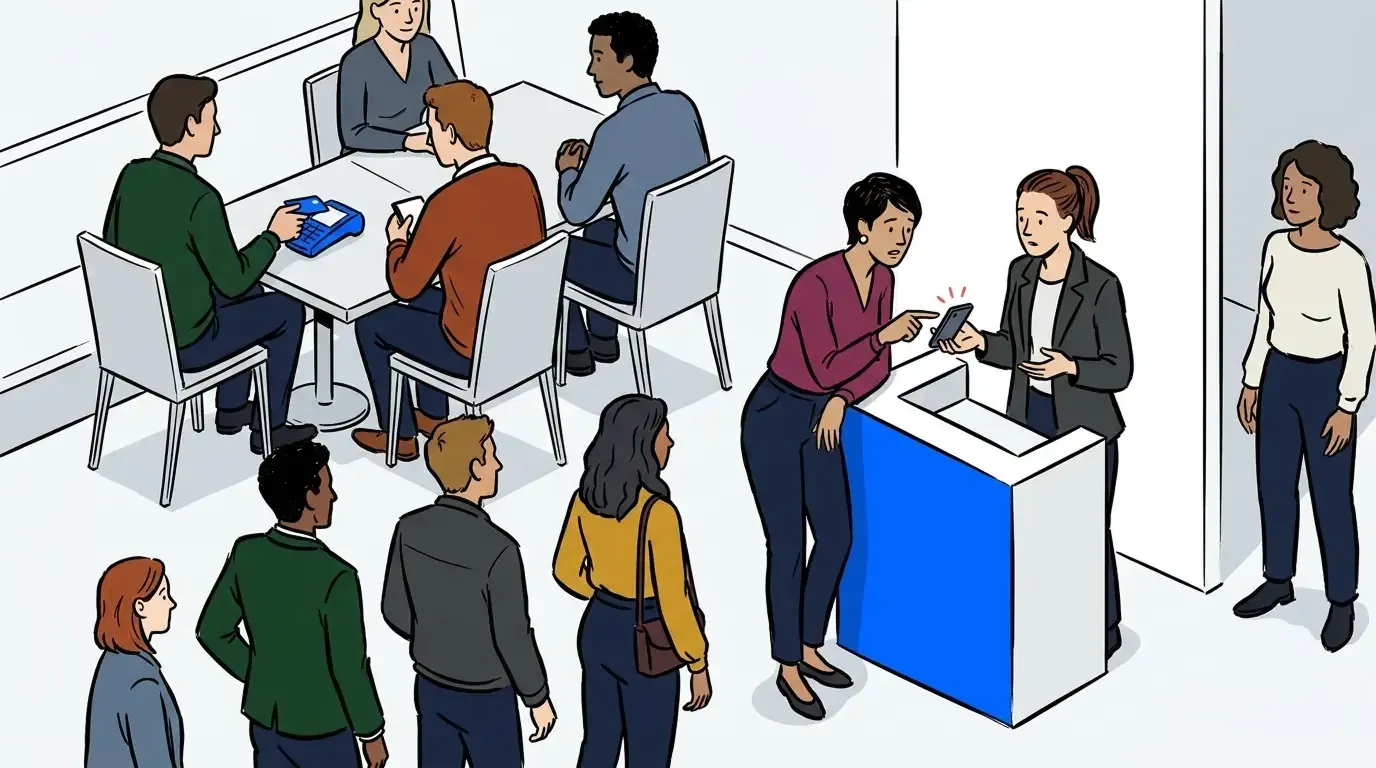
When a guest arrives and joins a paper list or verbal queue, they are immediately in an information vacuum. They do not know how many parties are ahead of them, whether the wait is five minutes or forty-five, or whether stepping away to grab a drink from the bar means losing their spot. So they stay near the host stand. They ask questions. They watch other tables get seated and wonder why. They leave.
The 2025 American Diner Trends Report from TouchBistro and The Harris Poll, based on a survey of 1,500 US diners, found that the average guest is only willing to wait 22 minutes for a table. A wait that exceeds 30 minutes is enough to turn most diners away entirely. The margin between a manageable wait and a lost cover is thin. Guests who feel uninformed hit that threshold faster than guests who can see exactly where they stand.
The paper list does not cause the wait. It causes the feeling of the wait. And that feeling is what sends guests out the door.
The three floor moments that determine the guest experience
Every walk-in visit has three moments where the guest experience is won or lost. Understanding each one is the foundation of running a smooth no-reservation floor.
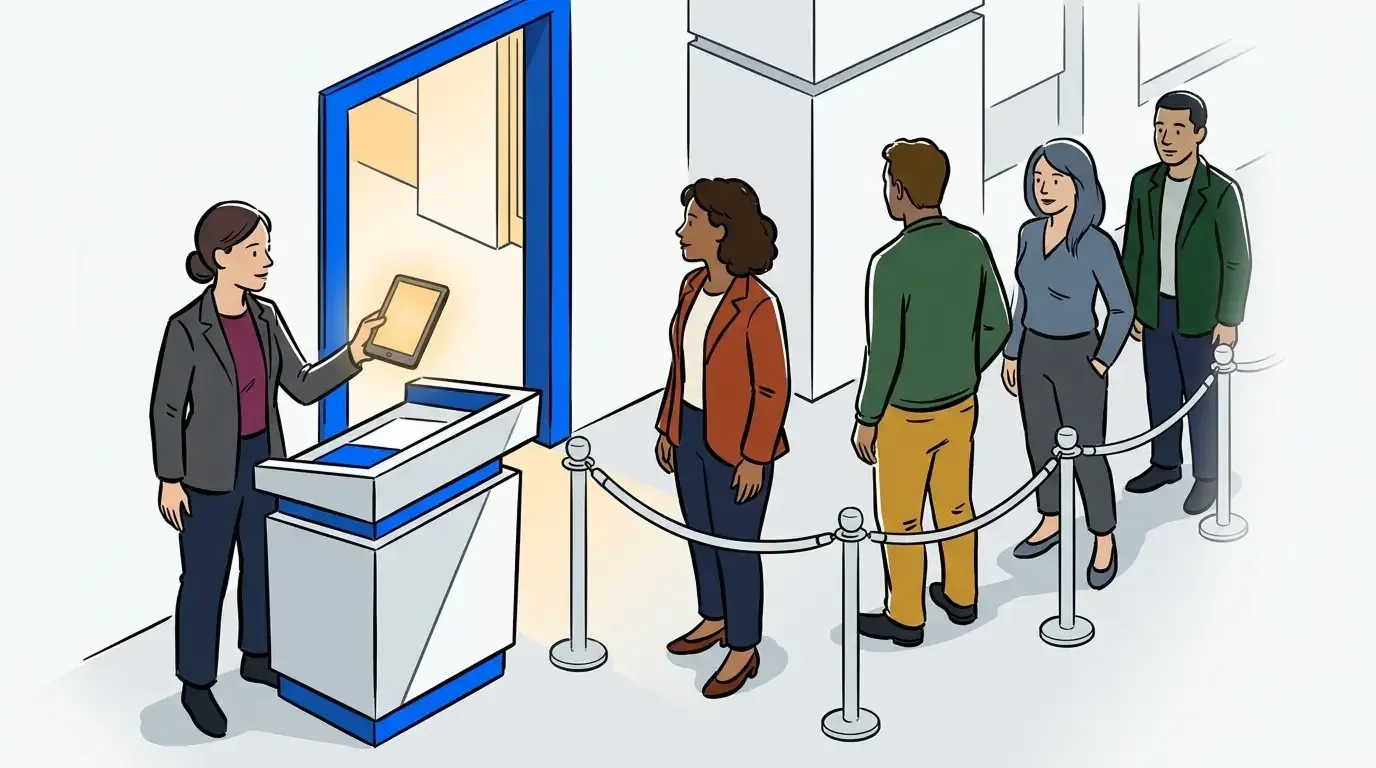
Arrival. The guest walks in and needs to be added to the queue quickly and with a clear confirmation that their spot is held. A smooth arrival means a 30-second interaction: name, party size, phone number, done. The guest knows they are in the system and has a sense of the wait.
The wait. This is where most walk-in floors lose guests. Without any information about their position, guests either hover anxiously near the host stand or drift too far away and miss their call. The Toast data shows that guests on a waitlist will typically wait around 20 minutes before cancelling if they have not heard anything. The window is short and uncertainty shortens it further.
The call-back. When a table is ready, the guest needs to return quickly and be ready to sit. A call-back that requires shouting a name across a crowded room or physically searching for the party burns time and creates another moment of visible disorder for everyone waiting.
A digital waitlist handles all three moments without adding complexity to the host’s job.
How guests experience the walk-in flow with a digital waitlist
When a guest arrives at a restaurant using NextMe, the host adds them to the digital queue in seconds. NextMe immediately sends the guest an SMS with their position in line and an estimated wait time. From that moment, the guest has full visibility into where they stand - without standing anywhere specific.
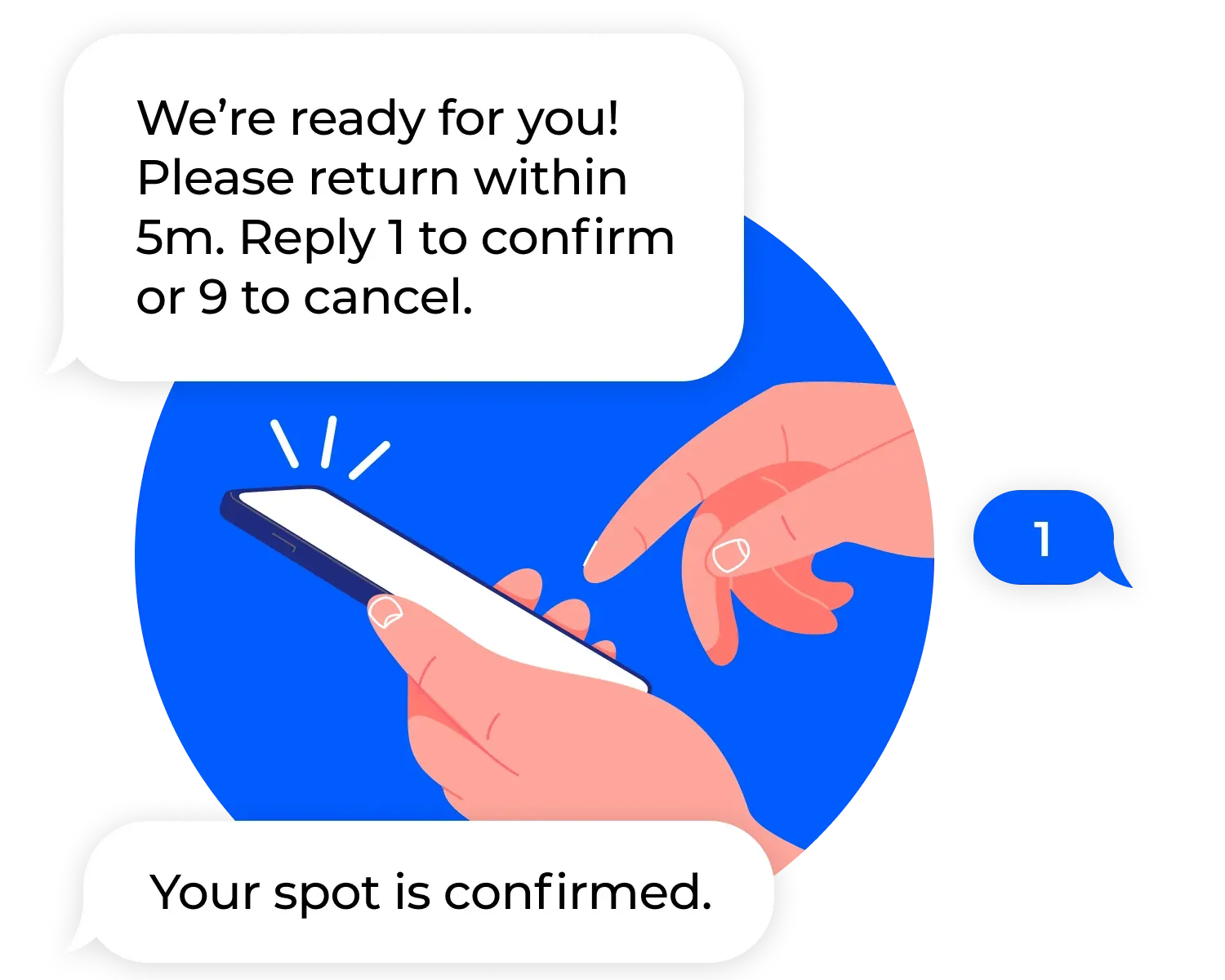
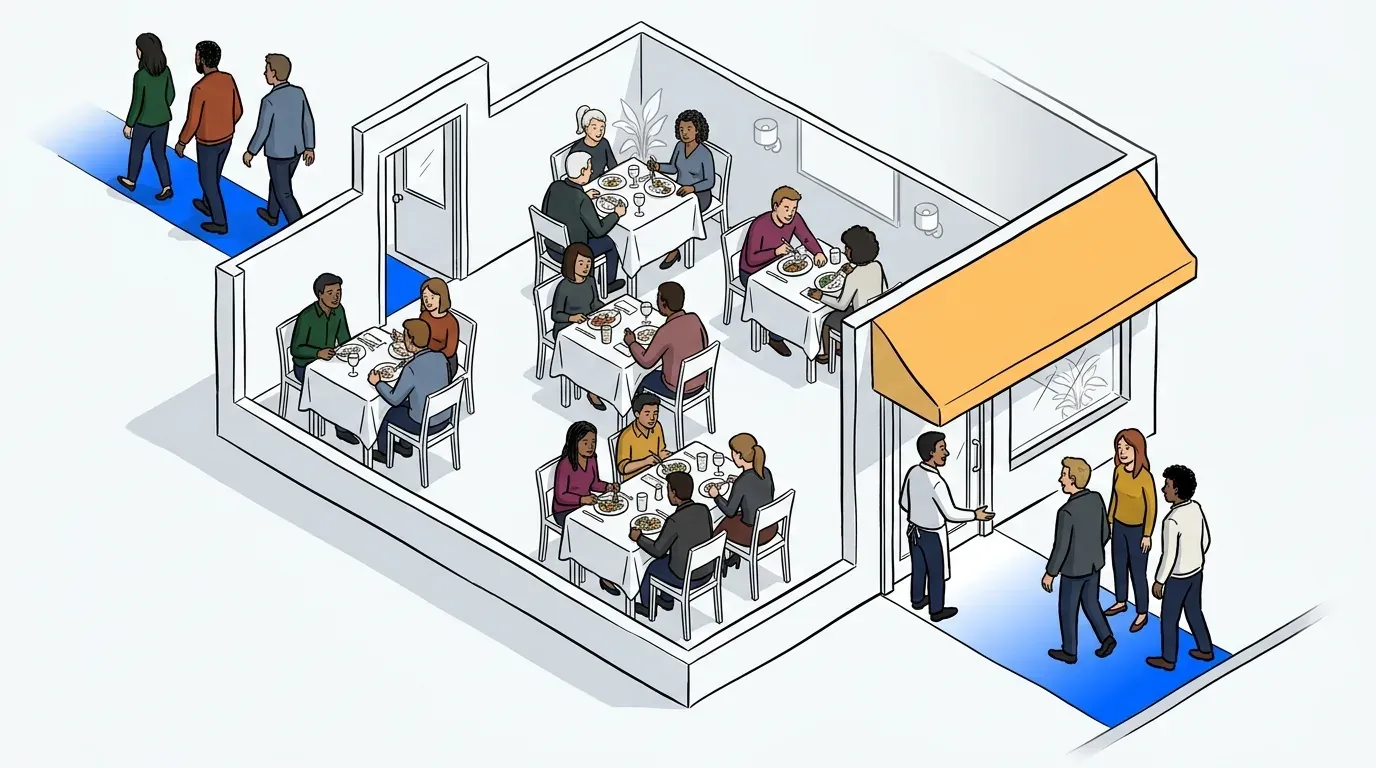
The guest can go to the bar, step outside, browse the block, or sit in their car. They know they will get a second notification when they are approaching the front of the queue, and a final call-back when their table is ready. No hovering. No anxiety. No lost covers because a guest drifted too far.
Waiting is not the problem guests complain about. Uncertainty is. A guest who knows they have 25 minutes will use those 25 minutes. A guest who has no idea how long they are waiting will leave at minute eight.
What the digital waitlist changes for your floor team
For the host, the shift from a paper list to a digital queue changes the job in three concrete ways.
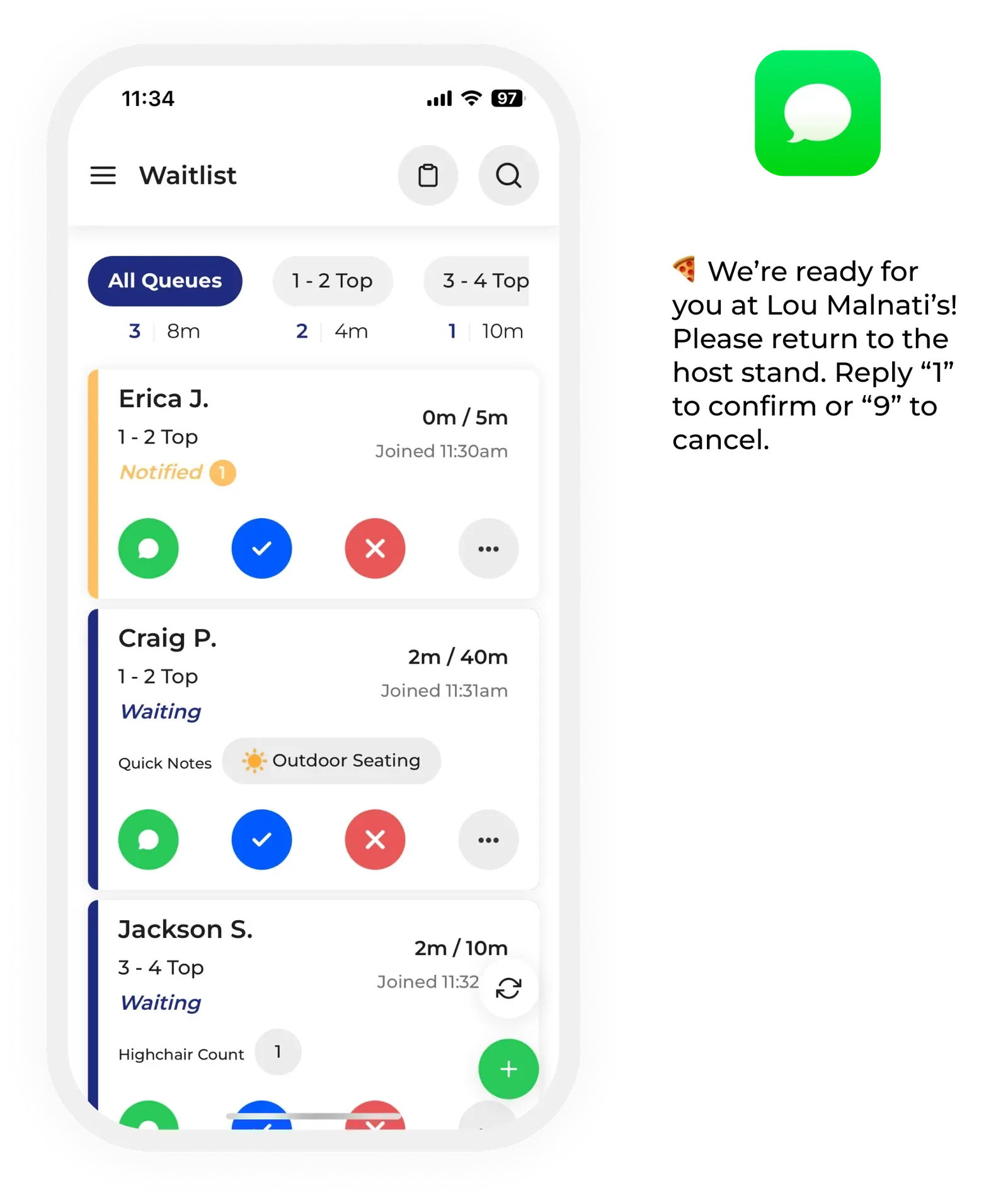
No more name-calling. The call-back is a single tap. NextMe sends the SMS to the guest automatically. The host does not need to shout across the room, walk the floor looking for the party, or interrupt other tasks to track someone down.
Real-time queue visibility. The dashboard shows every party, their wait time, and their position at a glance. Reordering the queue for a large party, a VIP, or a guest who has been waiting longer than expected takes seconds.
Fewer questions at the stand. When guests have their position on their phone, the “how much longer?” question largely disappears. That single change frees up significant host attention during peak service.
For multi-location operators, NextMe also provides centralized reporting across locations so managers can track waitlist volume, average wait times, and walk-out rates without being on the floor. Learn more on the restaurants industry page.
What guests do while they wait
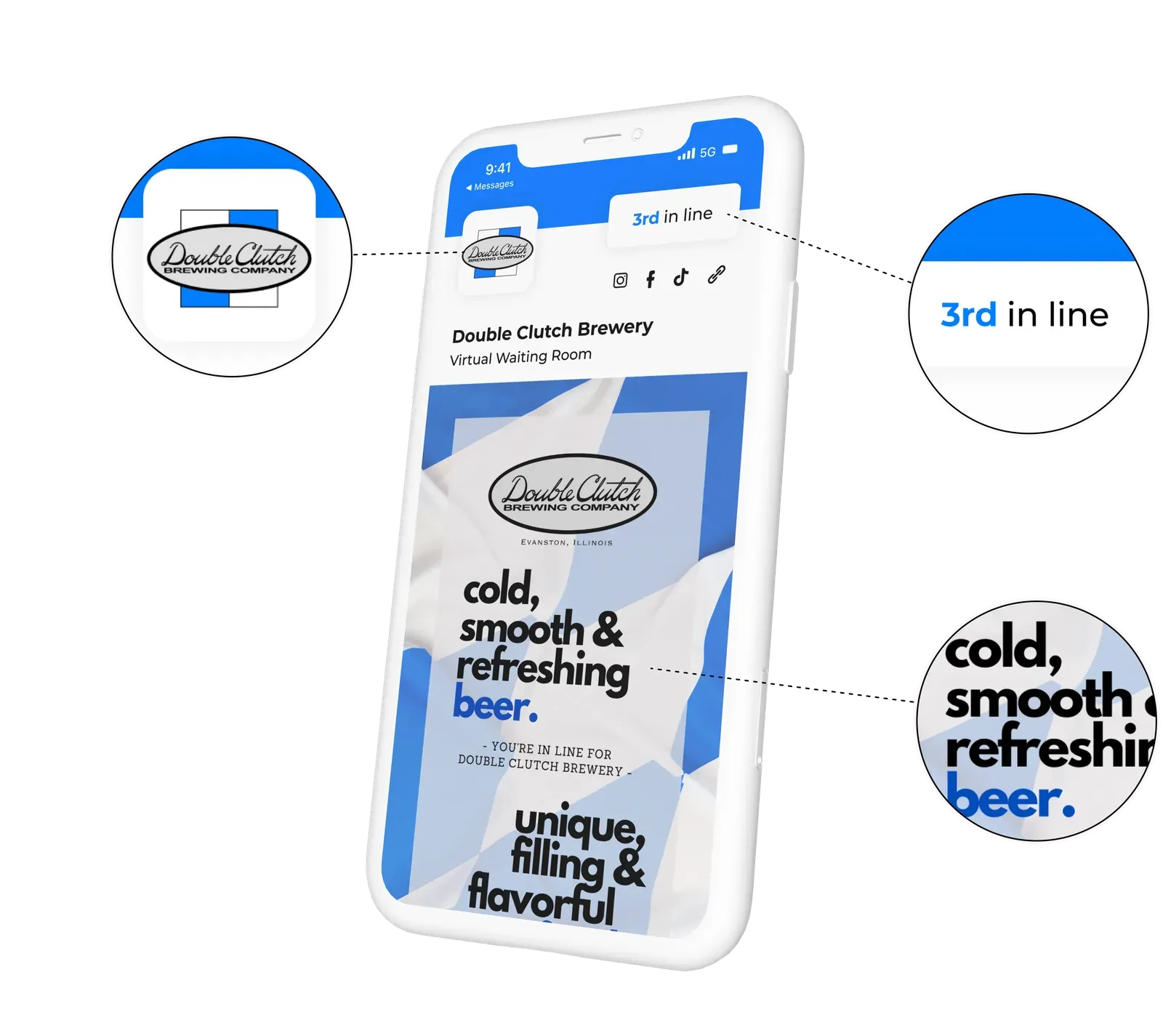
The virtual waiting room is the screen guests see after they join the queue. It shows their live position in line and can be configured to display the menu, current specials, upcoming events, or social media links.
A guest who spends 20 minutes browsing the menu while they wait arrives at the table already knowing what they want to order. That is a direct impact on table turn time - one of the most measurable outcomes of a well-run walk-in floor.
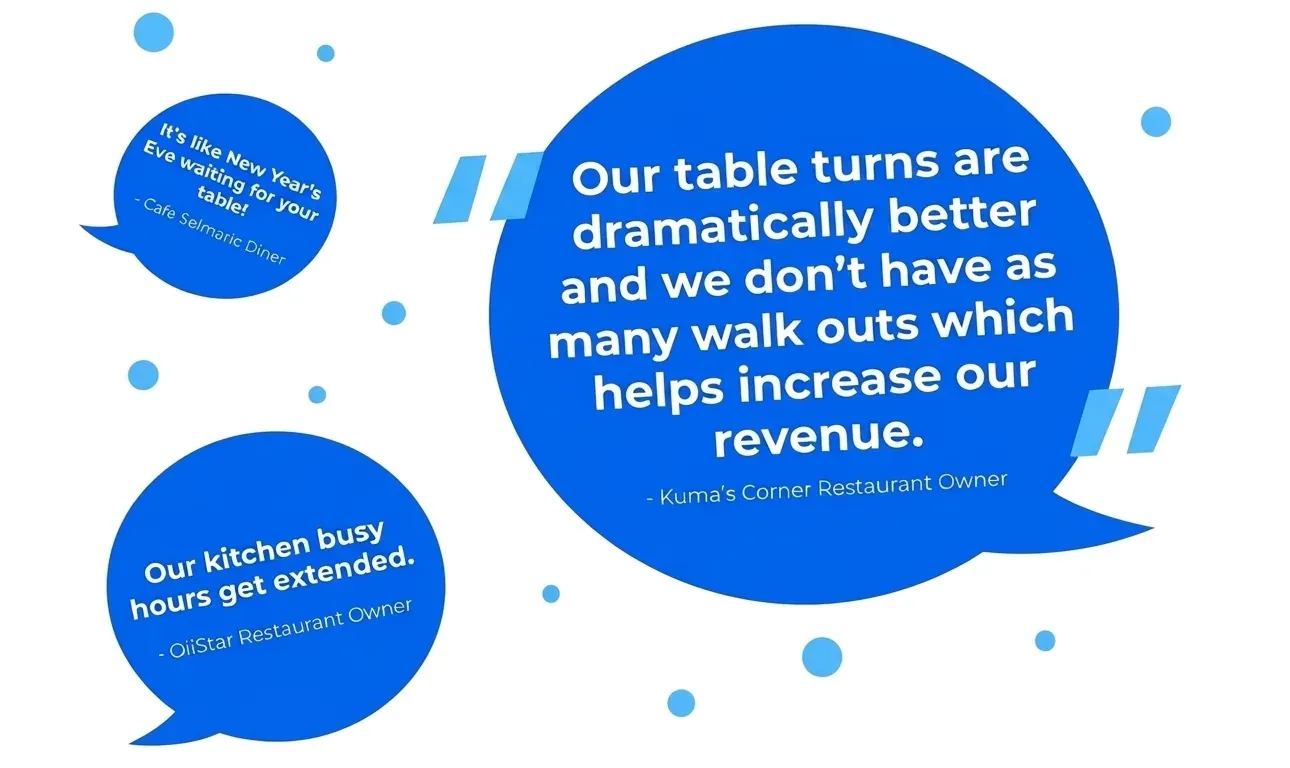
Black Bear Diner, a multi-location restaurant chain, uses NextMe to manage walk-in guest flow across locations. The result was a measurable reduction in walk-outs and improved throughput on their busiest nights. You can read the full account in the Black Bear Diner case study.
Conclusion: the walk-in floor is a system problem, not a volume problem
A chaotic walk-in floor is not caused by too many guests. It is caused by too little information moving between the host and the people waiting. A digital waitlist closes that gap.
Guests who know where they are in the queue stay longer, arrive at the table ready to order, and leave with a better impression of the experience. Hosts who manage a dashboard instead of a clipboard spend less time fielding questions and more time running the floor.
If walk-in volume is your core business, the no-shows guide covers the other half of the equation: keeping the guests who join the list from disappearing before their table is ready. Check out NextMe for restaurants for a full look at how NextMe supports restaurant operations.