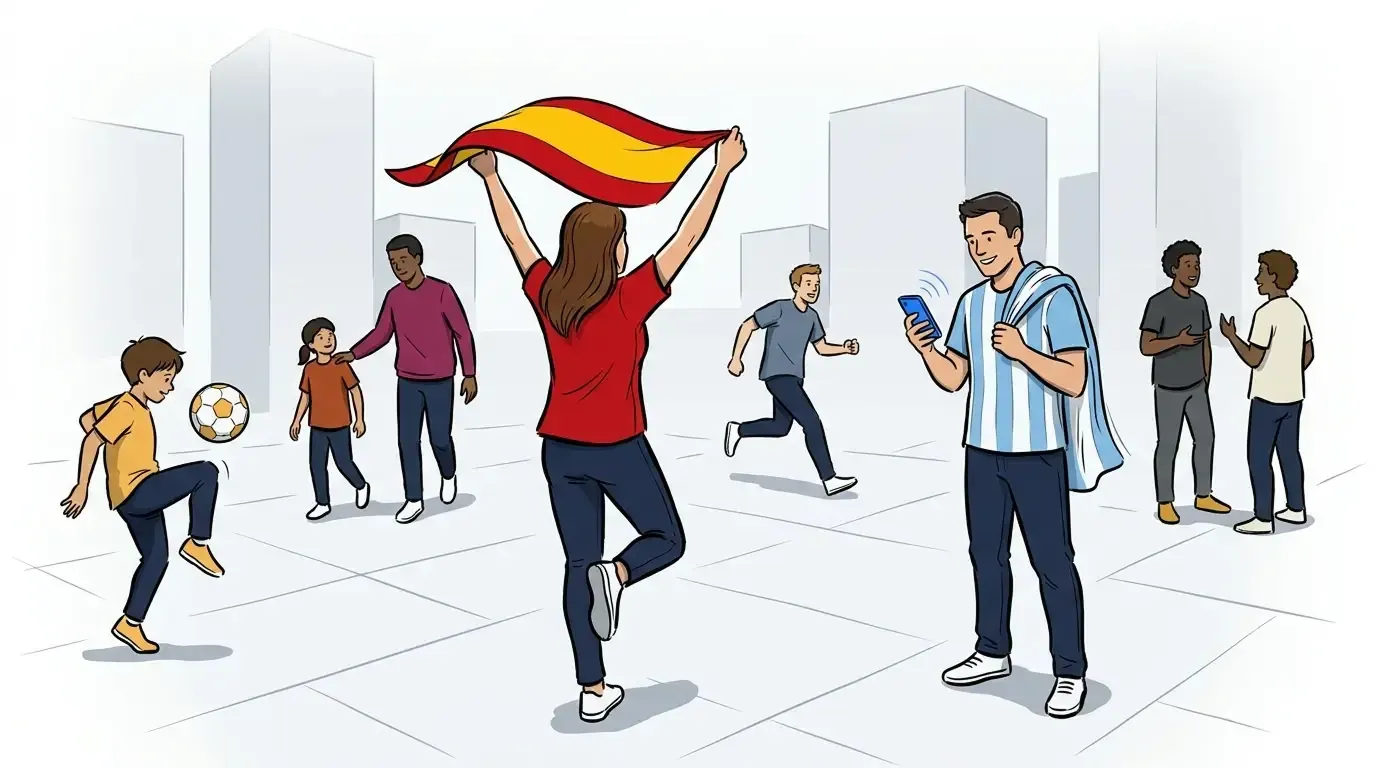
The World Cup final lands at MetLife Stadium on July 19. LEGO has been marking the moment in Manhattan since July 6, with a free, walk-up Fan Zone at Rockefeller Plaza built around a 27-foot LEGO recreation of the FIFA World Cup Trophy. The trophy is made from more than 1.36 million bricks and is reportedly the largest mobile LEGO build ever created. NextMe is currently powering the crowd and notification setup behind the activation. Fan zones like this are exactly where brand activation crowd management earns its keep. A packed activation is the goal. A crowd that turns into a shapeless mob at the door is not.
This matters right now. Free, walk-up activations like this pull unpredictable crowds through one of the city’s busiest public spaces. Fan zones and watch parties everywhere are drawing crowds that skew bigger and more international than a normal weekend. Getting the setup right, including how guests get notified, is the difference between a line that builds buzz and one that costs a brand goodwill on the biggest stage of the year.
The scale of the moment
The trophy alone took a team of 59 designers, engineers, and model builders more than seven months and 7,000 hours to build. A 3.5-ton steel frame supports the 4.2 tons of bricks above it. The Rockefeller Plaza activation is one stop in a global LEGO World Cup celebration spanning North America, Europe, and Asia-Pacific. That’s exactly why a fan zone like this pulls in a crowd that isn’t just local. That’s the backdrop NextMe is managing crowd flow and notifications against.
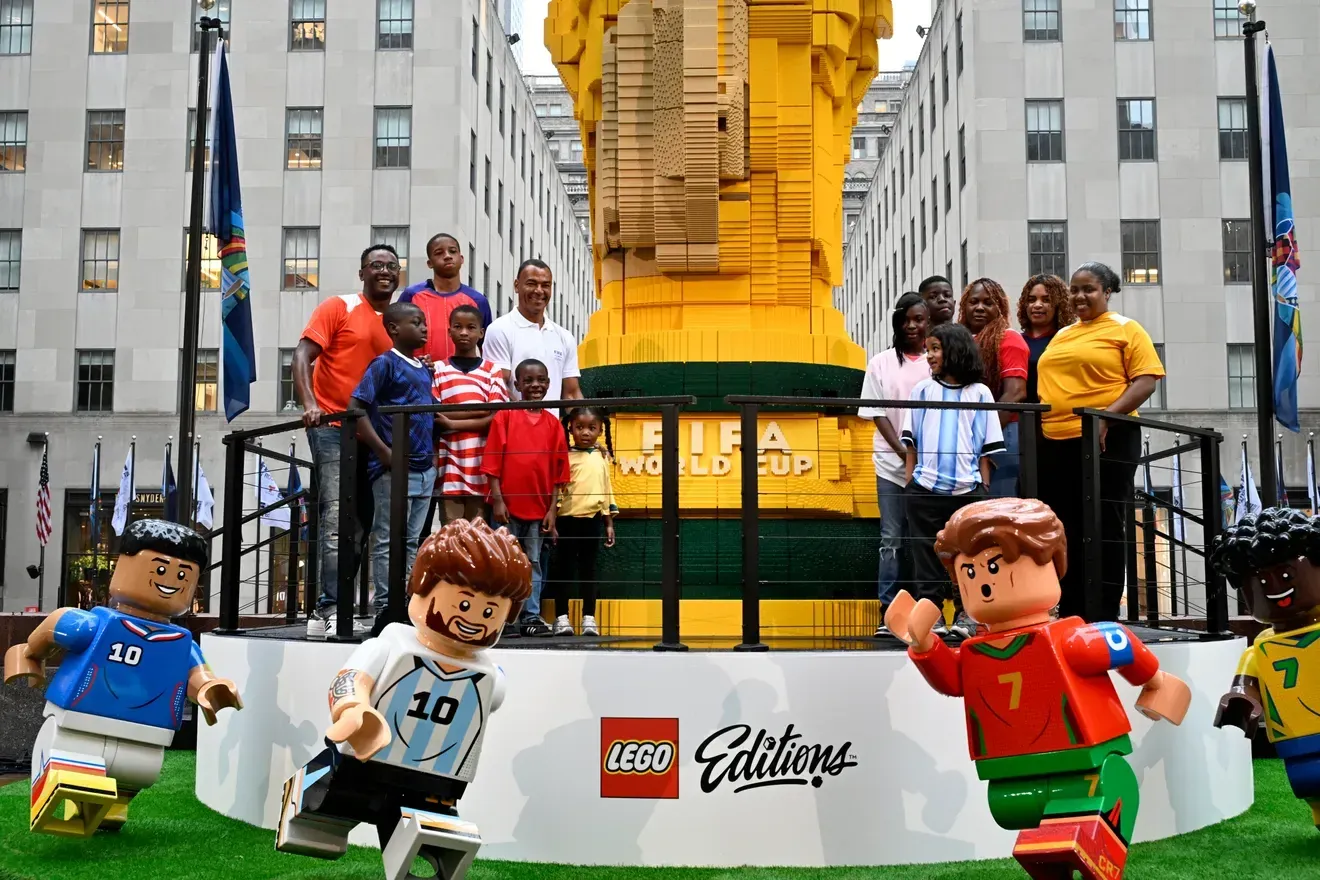
Photo Credit: Getty Images For LEGO Group
What is brand activation crowd management?
Brand activation crowd management is the set of tools and habits a brand uses to control guest flow at a fan zone, watch party, or pop-up: replacing a single physical line with a virtual queue, checking guests in by QR code, sending updates on wait status, and turning the wait itself into part of the show instead of dead time at the door.
Why a full line at a fan zone isn’t the problem
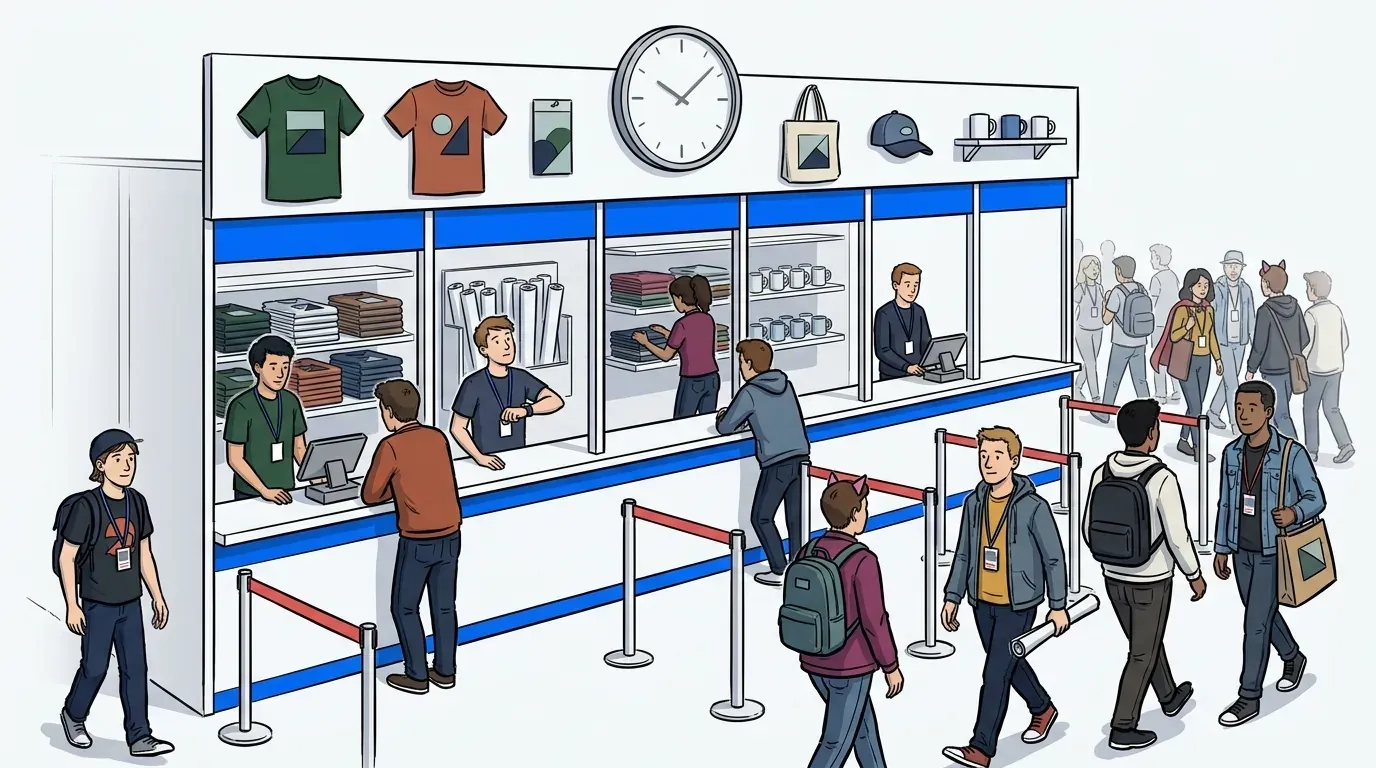
A long line outside a World Cup watch party is not bad news. It means the activation is working. The actual risk is a line nobody can read: guests who don’t know how long they’ll wait, whether they’ll get in before kickoff, or whether it’s worth staying at all. That uncertainty, not the length of the wait, is what turns a good crowd into a frustrated one.
The fix isn’t to shrink the line. It’s to make it legible. A guest holding a spot on their phone, with a live estimate and an update on the way, will wait far longer and far more happily than a guest standing in a line with no information at all.
Setting up self check-in for a fan zone
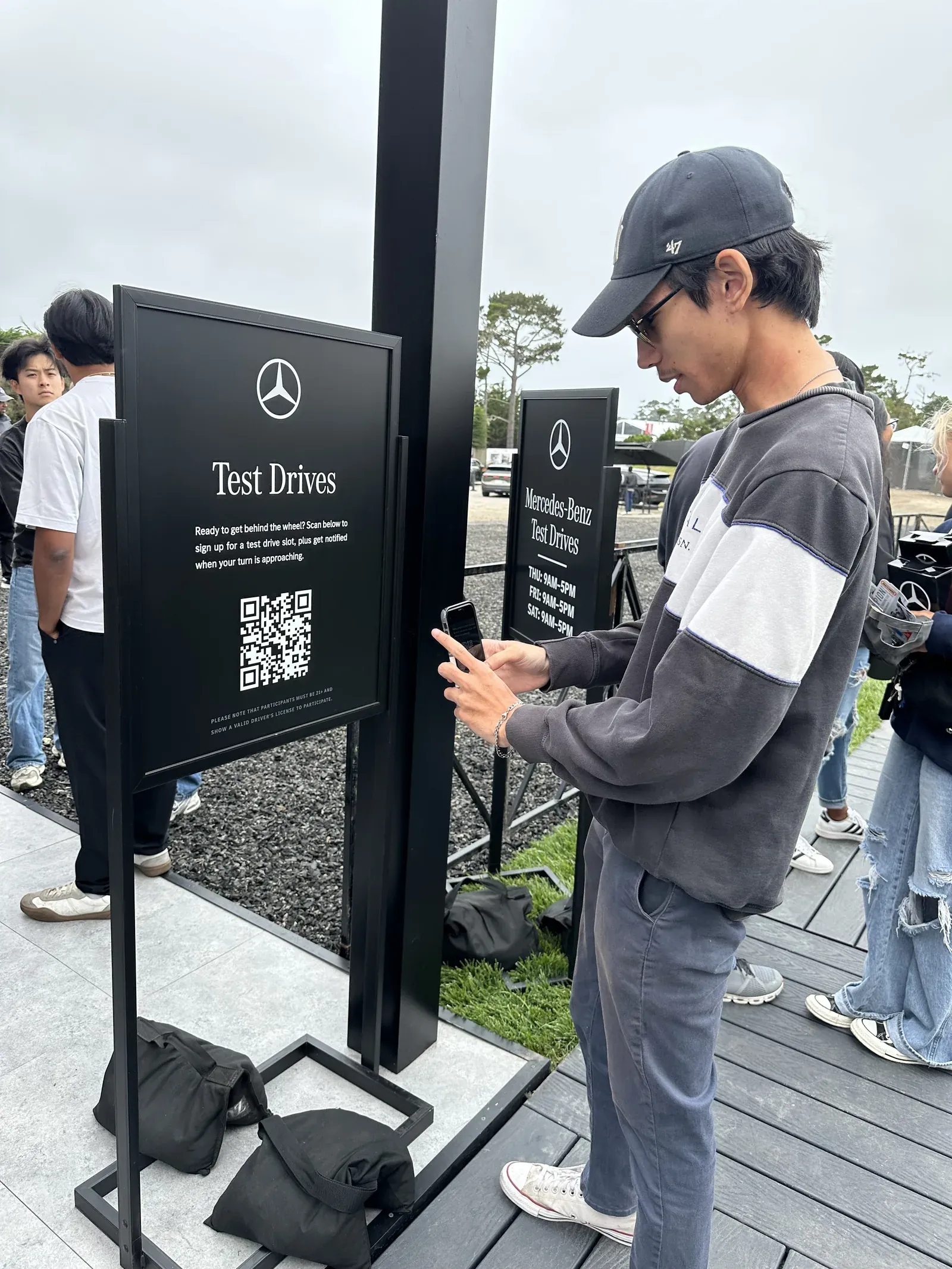
Getting this right starts at the door. Self check-in lets a brand register arrivals in seconds instead of building a bottleneck before the activation even starts. A typical setup looks like this:
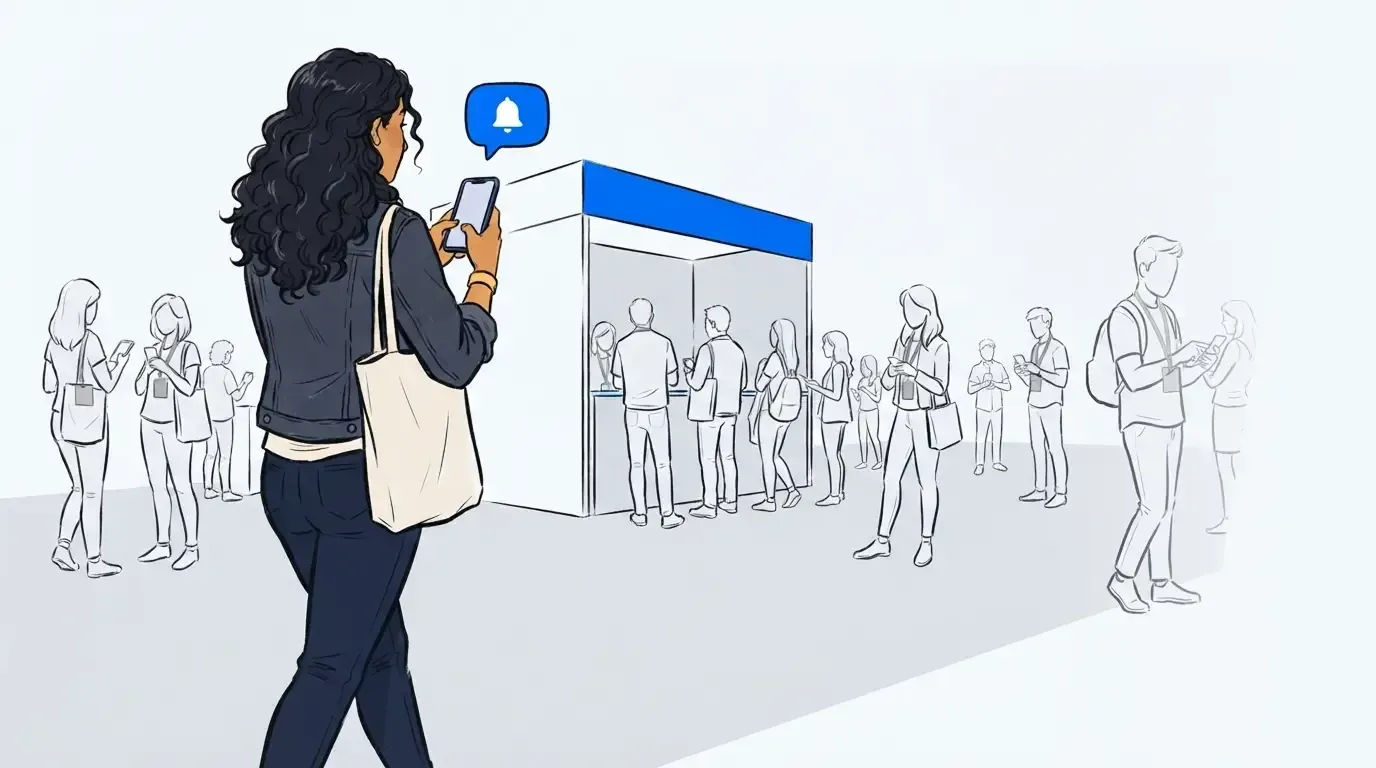
- A guest scans a QR code on arrival and joins the queue from their own phone
- They get a confirmation message with their place in line and an estimated wait
- They’re free to explore the fan zone, grab food, or find a spot for the match instead of standing in place
- An alert calls them back exactly when it’s their turn
This keeps staff focused on running the activation instead of managing a crowd by hand, and it keeps the guest’s attention on the brand instead of on a wristwatch.
Notifying a global crowd without losing anyone
A World Cup crowd pulls in fans from dozens of countries, and that means phone numbers that don’t always play nicely with standard delivery. NextMe already supports international SMS to a fairly large list of countries. Some regions carry restrictions, though, and NextMe excludes a handful of countries entirely due to SMS fraud risk. WhatsApp notifications, added alongside SMS, close that gap. They let a brand reach a guest on whichever channel actually works. The sender doesn’t need to know in advance which countries are affected.
Guests choose their preferred channel right on the join form, with the more reliable option already selected for them. In countries where NextMe can’t deliver SMS at all, WhatsApp simply becomes the only option shown.
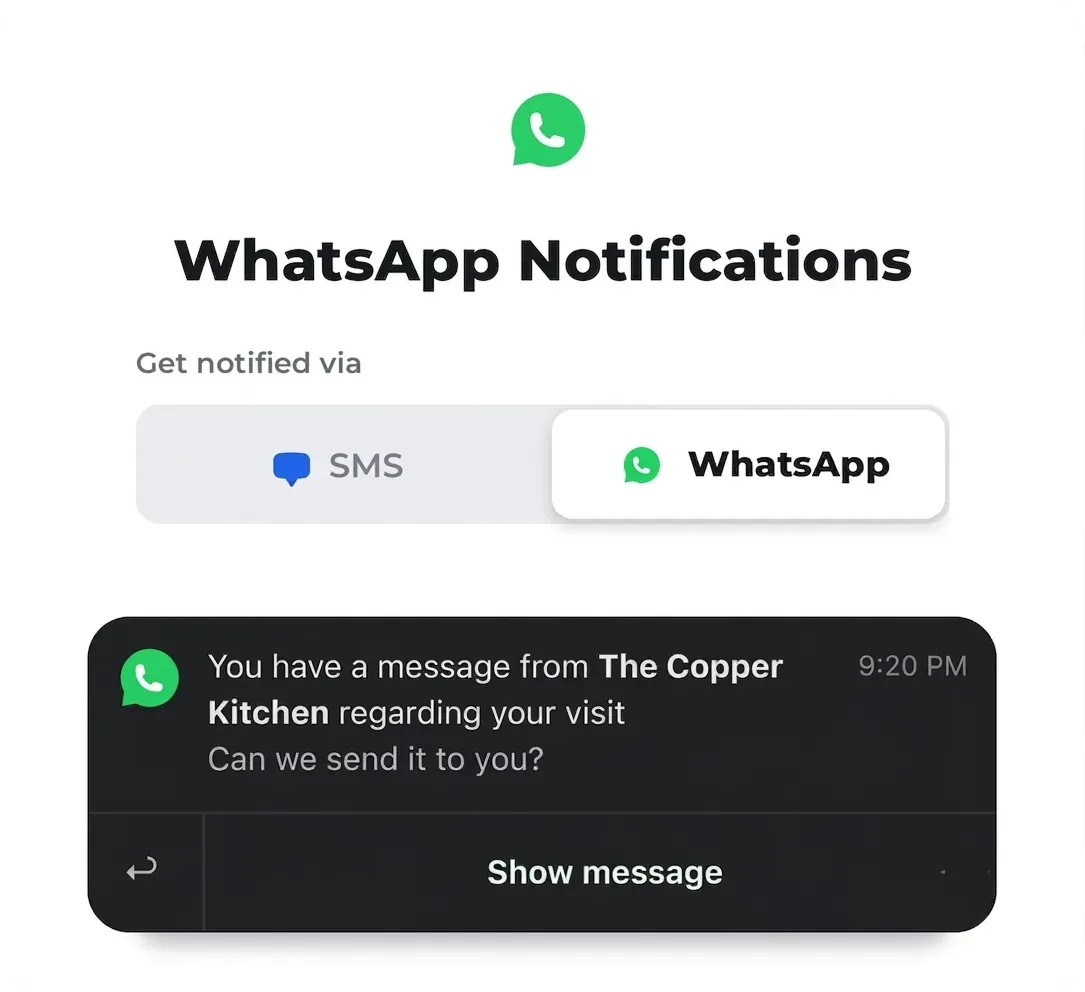
One detail worth knowing: WhatsApp requires a guest to approve a short first-time message before their updates start coming through. It’s worth a quick heads-up at check-in to accept it, so nobody misses their turn. Guests without the WhatsApp app just default to SMS, so everyone still has a way to be reached. For an activation like the Rockefeller Plaza Fan Zone, a large share of the crowd may be visiting from outside the US. That combination means fewer guests miss their turn just because a text never landed, or never could have.
Making the wait part of the watch party
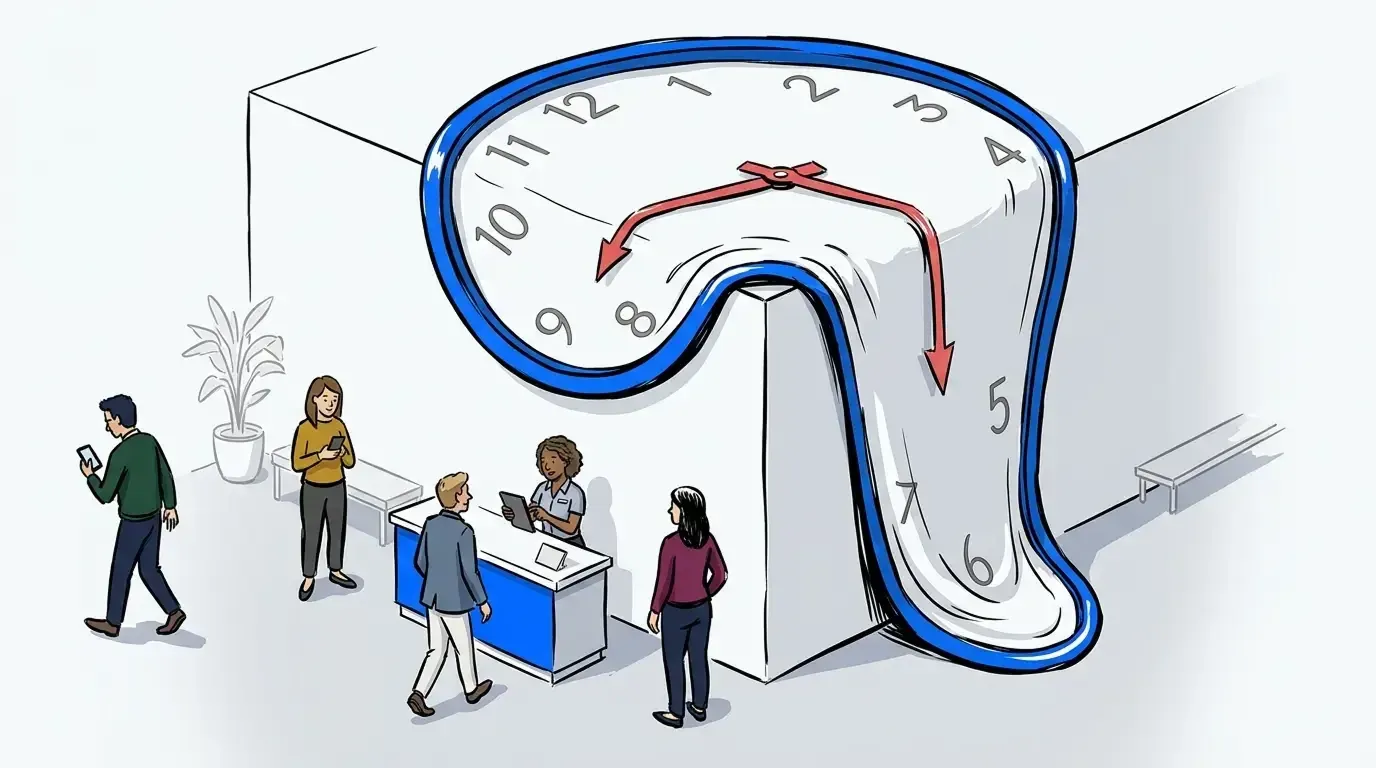
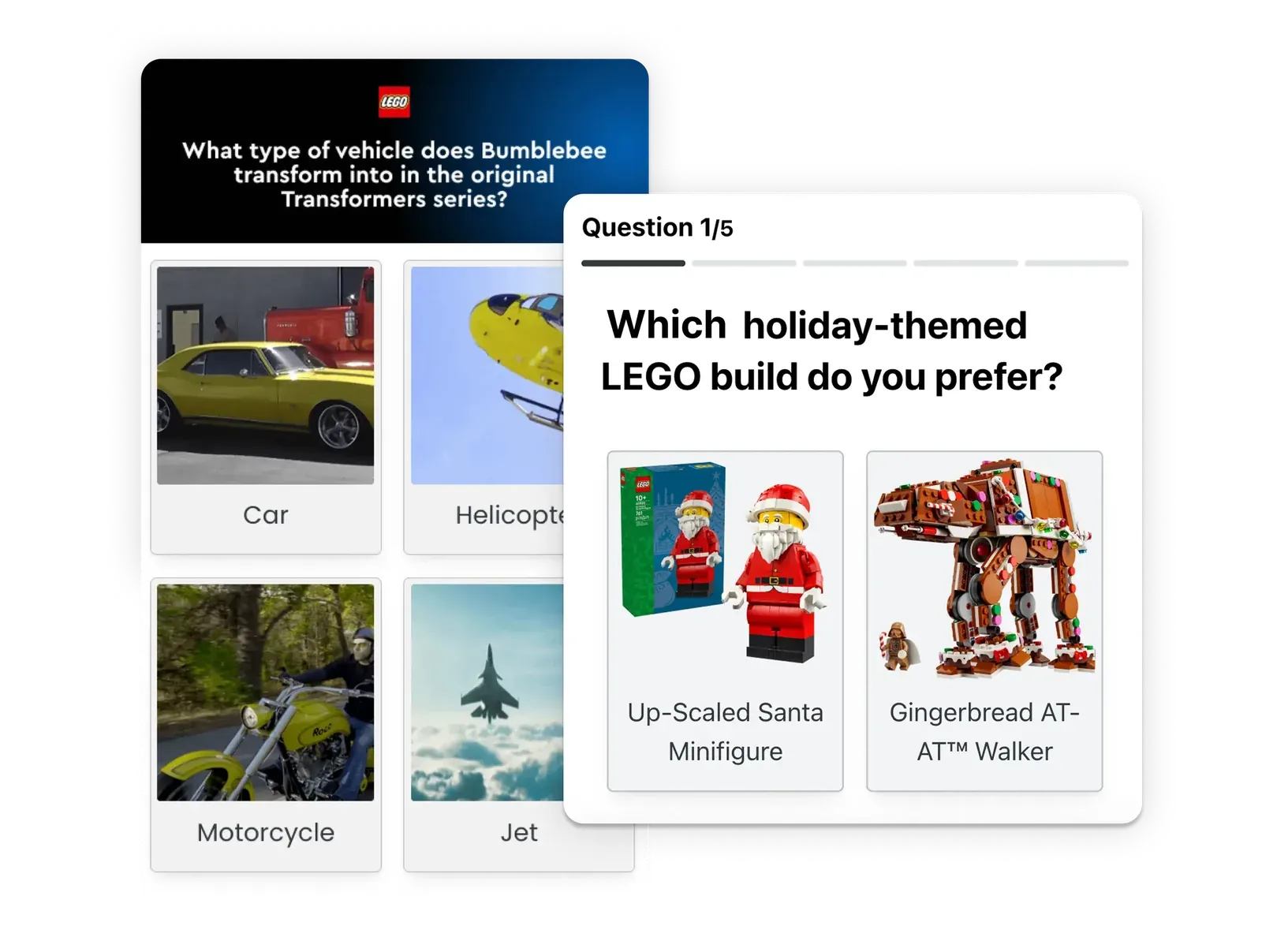
Once a guest is checked in, the wait becomes real estate. A branded virtual waiting room can run live match predictions, trivia, or polls tied to the World Cup itself, so guests are engaging with the brand the entire time they’d otherwise just be standing around. Research backs up why this matters: EventTrack 2026 data reported by Event Marketer found that 61 percent of consumers say they’re more likely to purchase from a brand after a live experience. A wait window a guest actually enjoys is part of earning that. This same wait-as-inventory thinking is what turns event sponsor engagement into measurable ROI rather than a guess.
Two brands already doing this at scale
LEGO is putting this to work right now. NextMe is currently running the queue and notifications behind LEGO’s World Cup Fan Zone at Rockefeller Plaza, where fans line up for the trophy build, contribute to a collaborative brick mural, and create personalized minifigures throughout the free, walk-up activation. It’s the latest stop for a partnership with a track record. NextMe ran the hybrid queue behind LEGO’s five-city “Build the Thrill” Formula 1 tour with XD Agency, managing more than 4,000 guests and holding an average of 4 minutes 29 seconds of engagement per guest inside a branded virtual waiting room. At NCompass International’s Adult Swim Festival activation, the same approach cut physical wait times by up to three hours while guests engaged with brand content and real-time analytics proved the event’s return. Brands running comic con booths and fan conventions face a similar challenge. See how exhibitors manage fan lines at Comic Con and how fan conventions keep crowds happy for more on managing crowds at large-scale fan events.
Make your fan zone’s line part of the show
A packed fan zone or watch party is a good problem, as long as guests can read the wait and the wait itself feels like part of the event. Brand activation crowd management turns a crowd from a risk into the whole point of showing up. See how NextMe’s virtual waiting room can streamline your next activation.