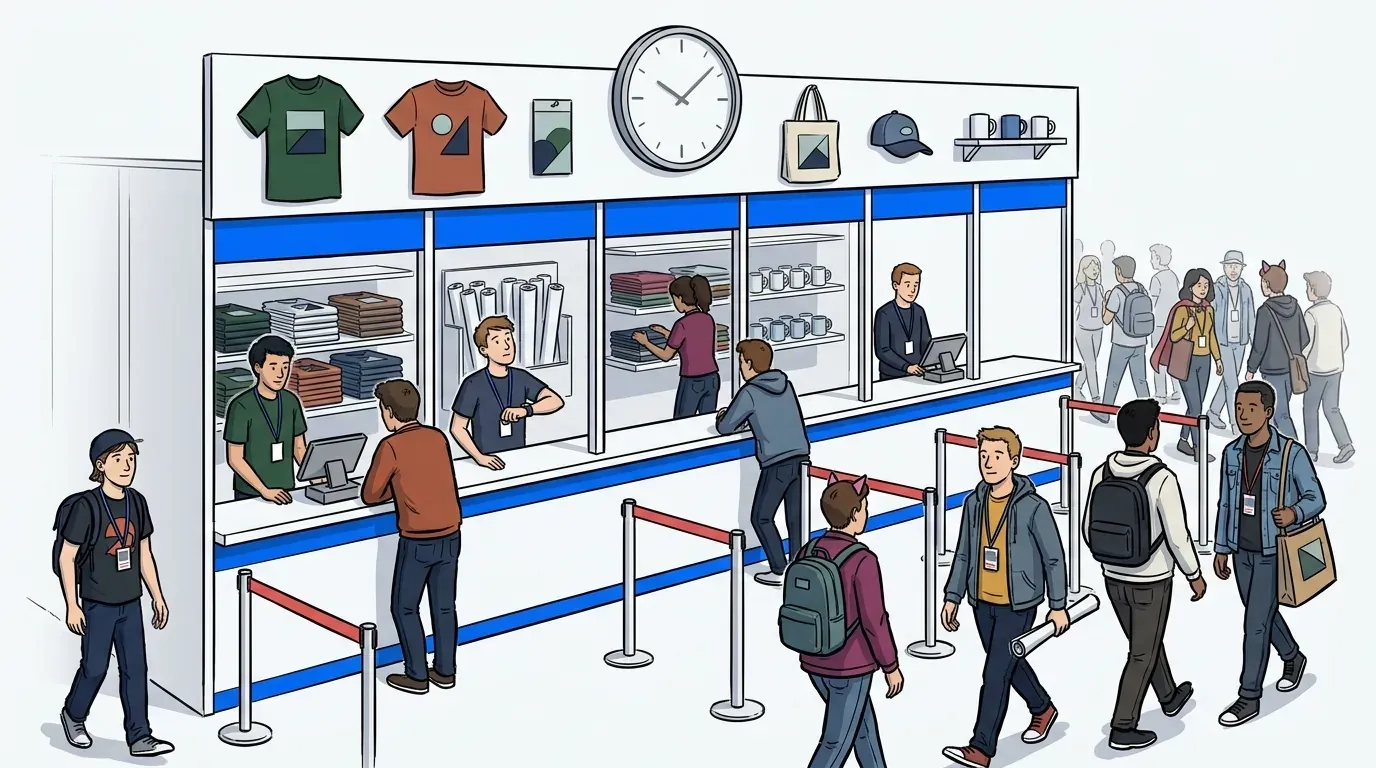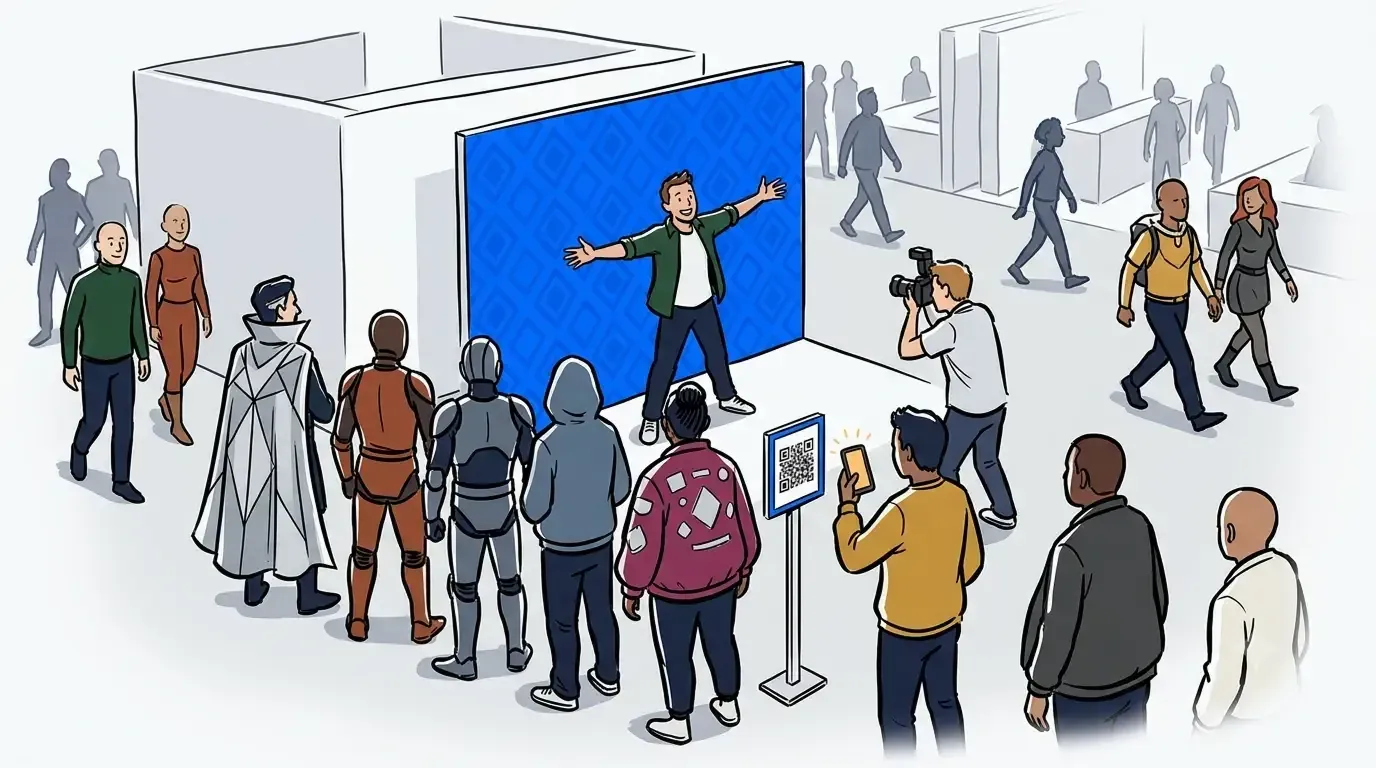
A two-hour wait for a photo opportunity with a beloved character. A line stretching three city blocks for a limited product drop. Fans arriving before sunrise to hold their spot. Fandom events are built on passion, and that passion produces crowds.
Fan convention queue management has become a core operational discipline at events ranging from comic cons and sports fan expos to gaming tournaments and anime conventions. The fans who attend are vocal, digitally connected, and quick to share their experience. A chaotic queue does not just frustrate one group of guests. It becomes a story that spreads across social media before the activation closes for the day.
This guide covers what effective queue management looks like at fandom events, why the wait experience matters as much as the activation itself, and how operators are using virtual queues to turn idle wait time into part of the experience.
What is fan convention queue management?
Fan convention queue management is the process of organizing, communicating with, and moving large groups of fans through activation queues and event entry points in a way that keeps the crowd safe, the flow consistent, and the fan experience positive. It typically combines a self check-in step at arrival, position-based SMS notifications, a virtual waiting room where guests receive content and updates while they wait, and a real-time operator dashboard that lets staff manage the queue without standing in the line themselves.
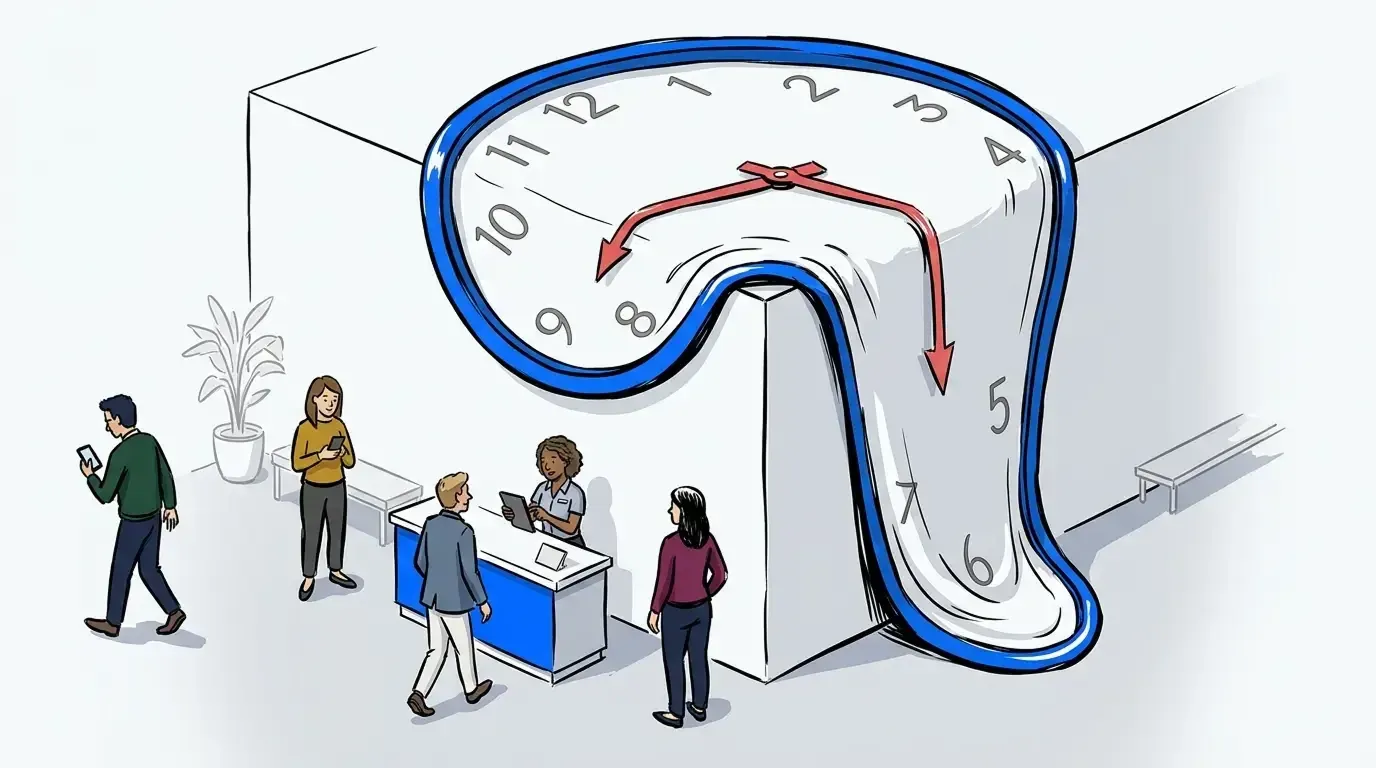
The defining challenge at fan events is that long queues are expected and welcome. A visible, busy line signals that an activation is worth joining. Organizers who try to eliminate the queue misread what their audience actually wants. The goal is to make sure fans know where they stand, when to come back, and have something meaningful to do during the wait. Waiting is not the problem. Uncertainty about the wait is.
Why fan convention queues need a different approach
Fan convention guests are not passive bystanders. They post, stream, and review in real time. If the queue experience is confusing or poorly managed, that frustration reaches thousands of followers within minutes. The same dynamic works in the organizer’s favor: a well-run activation where fans feel informed and respected generates the kind of organic energy that brands spend enormous budgets trying to replicate.
That changes the stakes. At a corporate event, a long wait is an inconvenience. At a Comic-Con activation or a Fanatics Fest product drop, the queue is where anticipation builds and where the fan’s first impression of the activation takes shape. Fandom audiences are loyal and emotionally invested, and they pay close attention to whether the experience matches the brand they showed up to celebrate.
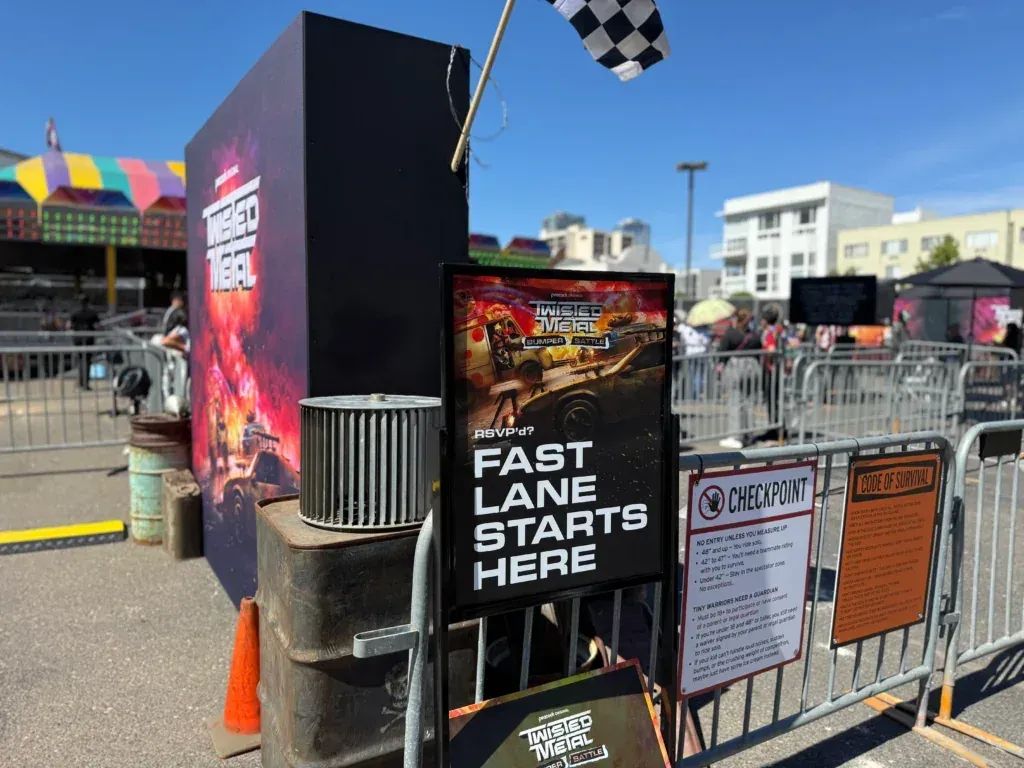
For exhibitors and brand activation teams running their own footprint inside a convention, How Exhibitors and Brand Activations Manage Fan Lines at Comic Con and Major Conventions covers the booth-level setup. This post focuses on event-level organizer strategy across multiple activations and higher daily volumes.
Planning your high-volume fan activation
Getting a fan activation right is part science, part art. The science is the throughput math: demand divided by capacity divided by experience duration, adjusted for arrival curves that spike three or four times the daily average at opening rushes and programming moments. The art is knowing which configuration choices actually matter for your specific activation, your audience, and your goals, because no two fan events are the same.
The questions that shape a virtual queue configuration come back to four variables: how many guests you expect each day, how many your experience can accommodate at once, how long each interaction takes, and what you actually want to achieve.
Configuration follows your goals
Most fan activations are trying to accomplish more than one thing: move guests through efficiently, deliver a great wait experience, capture leads, drive brand exposure, and stay within venue constraints. NextMe is built to support all of these at once. What changes is how you configure the system to emphasize each one.
Activations that need maximum throughput set tighter callback windows and shorter wait caps to keep the line moving fast. Activations where the guest experience is the priority invest more in virtual waiting room content and build in flexible re-queue policies. Activations focused on lead capture configure more detailed registration fields at check-in. Getting clear on which goal leads before setup day means those decisions are made intentionally rather than improvised under pressure when the crowd is already building.
Line style is a design choice
One of the more counterintuitive things about fan activation queue management is that the physical line is itself a decision. Some operators want no visible queue at all. Others want a small, managed line that signals the activation is active and worth joining. Others layer a VIP fast-pass option on top of a general walk-up queue.
The line signals demand. A completely empty holding area at a fan activation can read as low energy rather than efficient. The right configuration depends on the activation footprint, the brand aesthetic, and how much of the wait the operator wants guests to spend in the virtual waiting room versus visibly near the experience.
Fairness matters more when stakes are higher
When a fan is waiting for a repeatable experience with no scarcity involved, fairness is important but forgiving. When the activation involves a limited product drop or exclusive inventory, the fairness of the queue becomes a brand trust issue. Running out of a limited item while someone was still holding their position in the virtual queue is a different problem from the activation simply reaching its daily cap.
Activations with product drops need explicit fairness mechanics: a clear policy on what happens when inventory runs out, how you communicate that to guests still waiting, and whether position guarantees apply. Getting this wrong in front of a fandom audience, who will immediately share their experience, is a significant brand risk.
Technology baseline and staffing
A reliable internet connection is the minimum requirement. Two dedicated tablets is the recommended floor for a typical activation. With two brand ambassadors and a properly configured system, an activation serving 1,000 to 2,000 daily guests is entirely manageable. The system handles queue coordination. The brand ambassadors manage the guest experience at the service point, not the line.
Data capture is worth deciding upfront. Pulling throughput and retention stats requires no extra setup. Attendee retargeting lists, brand engagement metrics, and waiver collection each require specific configuration choices before doors open.
How a virtual queue system works at fandom events
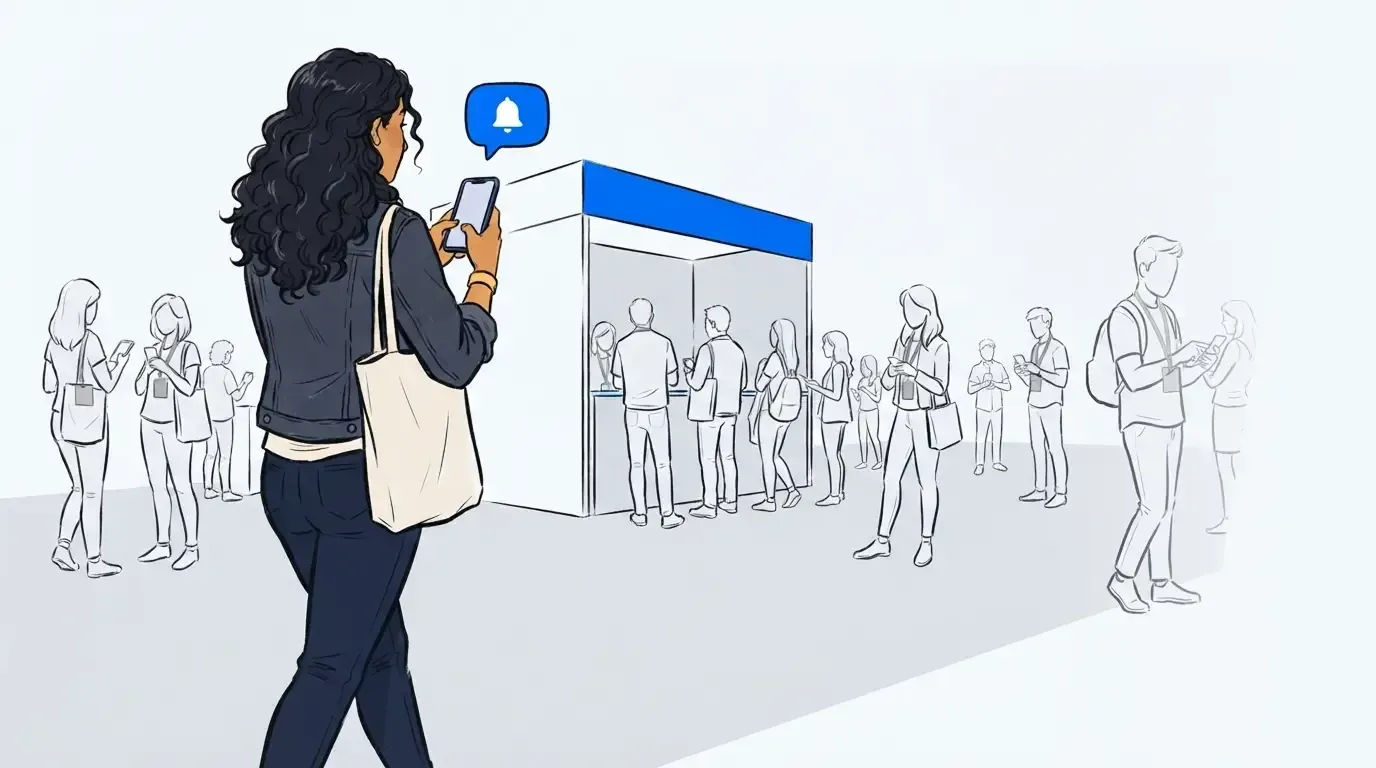
A fan arrives at an activation and joins the queue by scanning a QR code or using a self check-in kiosk. That step adds them to the virtual queue and sends an SMS confirmation with their position number. They can leave the physical area, explore the event, grab food, or check out other activations. They receive a text when it is time to return.
When to activate self check-in is an operator decision. Some open it at doors and use it as the entry mechanism from the start. Others wait until the footprint hits a certain density before switching from a physical queue to a virtual one. The right call depends on the activation type and how quickly the organizer wants to fill the space. What matters is that the decision is made before doors open, not once the crowd builds.
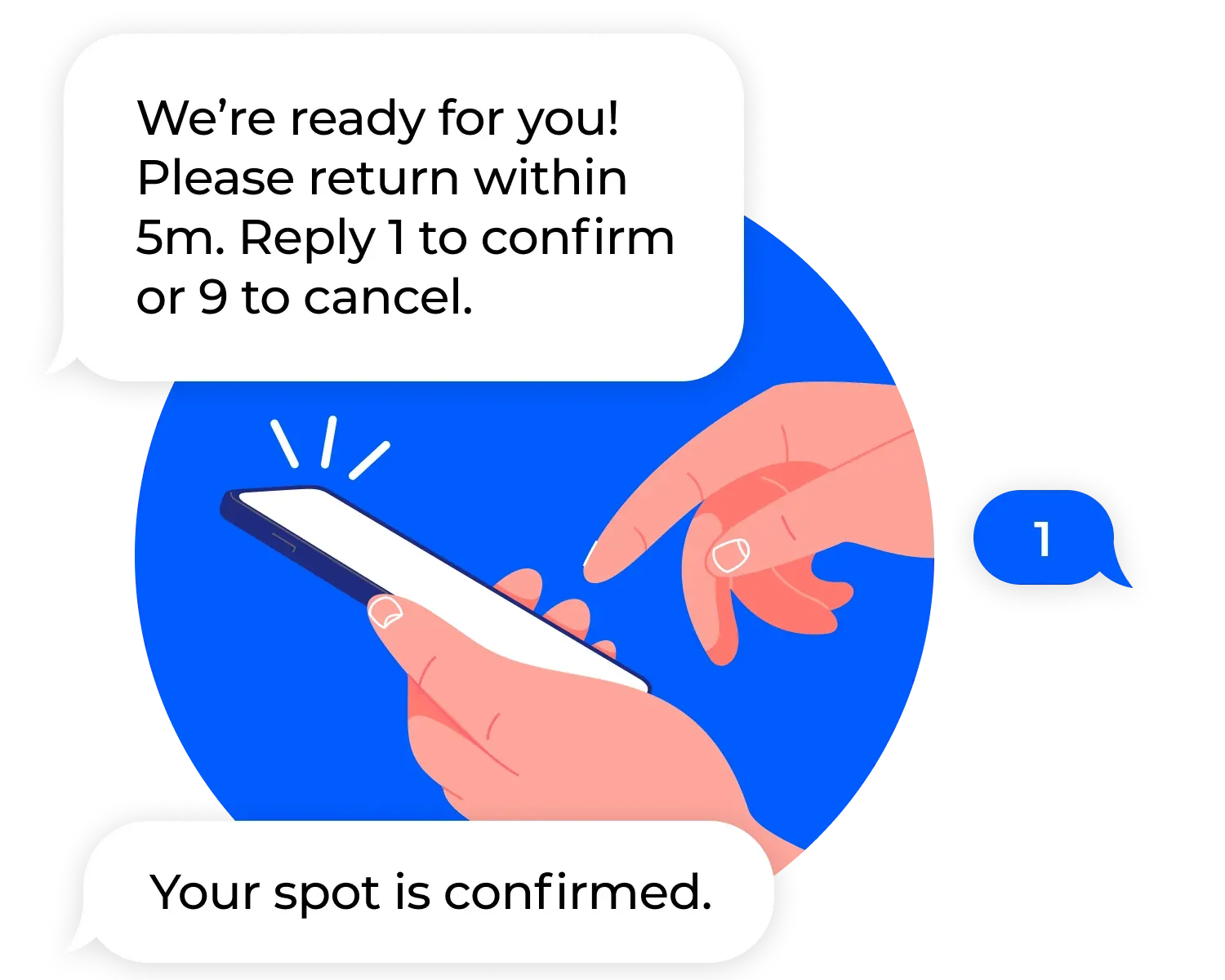
Guests receive position updates by SMS throughout their wait. When the operator calls them back, they have a set window to return. Staff manage the queue from a dashboard without needing someone stationed at the line. For multi-day activations running the same experience back to back, that visibility across sessions is what prevents bottlenecks from compounding day over day.
See How a Virtual Queue for Events Improves Attendee Satisfaction for a closer look at the experience from the fan’s side.
Turning the wait into part of the fan experience
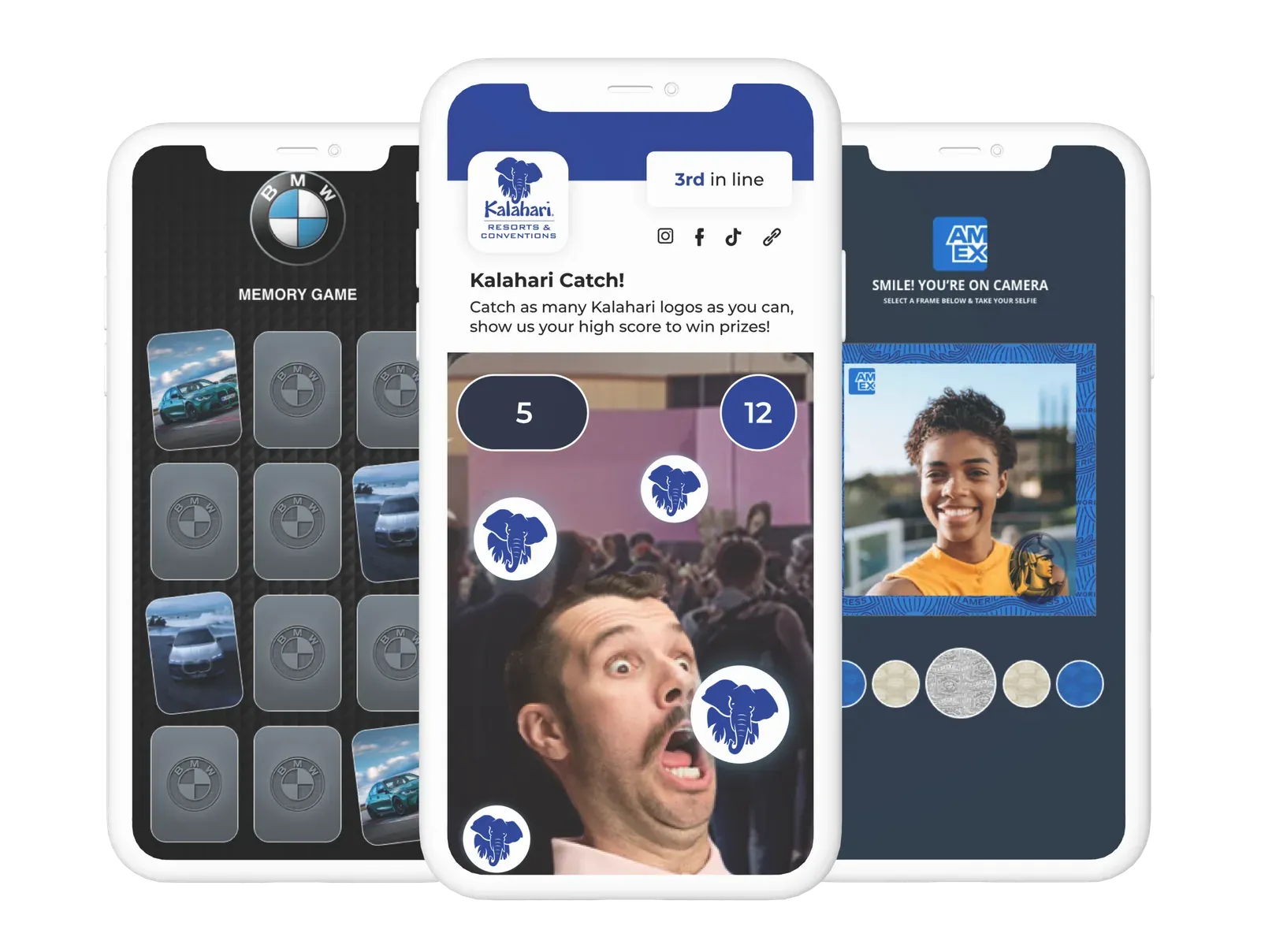
The virtual waiting room is where fan convention queue management goes beyond logistics. While guests wait for their SMS callback, they land in a branded digital experience between check-in and the activation itself.
Organizers and brand partners use it to run polls, trivia, and fan votes, surface exclusive content, push product drops, and display sponsor messages. For fandom events this is a natural fit. Fans waiting for a chance to engage with a franchise or brand are already in an active, receptive mindset. A character poll, a first-look clip, or a limited digital drop lands differently when the guest is two spots from their favorite IP than it would in a pre-event email. According to EventTrack 2026 research via Event Marketer, 61% of consumers say they are more inclined to make a purchase after participating in a live brand experience. The wait window, managed well, extends that live experience rather than interrupting it.
Topps used this model at a major fan activation, turning a high-demand product drop into a structured fan experience. Guests joined the virtual queue, received branded content while they waited, and arrived at the drop point already engaged with the brand. See the Topps case study for how the activation played out.
For a full breakdown of sponsor content formats and engagement metrics, the event sponsor engagement post covers the reporting side in detail. Earp-a-Palooza, a high-demand pop culture fan event, used NextMe to manage queues where demand significantly outpaced physical capacity, moving fans off the line while keeping them informed and engaged throughout. See the Earp-a-Palooza case study.
Keep the energy, manage the chaos
A fandom event queue does not have to be a source of frustration. The same passion that produces a two-hour wait for an activation is what makes that wait meaningful to the fans in it. Good fan convention queue management channels that energy: keeping fans informed, giving them something to engage with while they wait, and making sure the activation they have been looking forward to starts on a strong note rather than a strained one.
NextMe is built specifically for the complexity of live event activations. The platform combines virtual queue management, branded waiting room content, and real-time operator tools in a single system, backed by a team that has run high-volume activations across conventions, sports fan expos, brand drops, and experiential events at scale. If you are planning a fandom activation and want a team that understands how event workflows actually operate, start here.