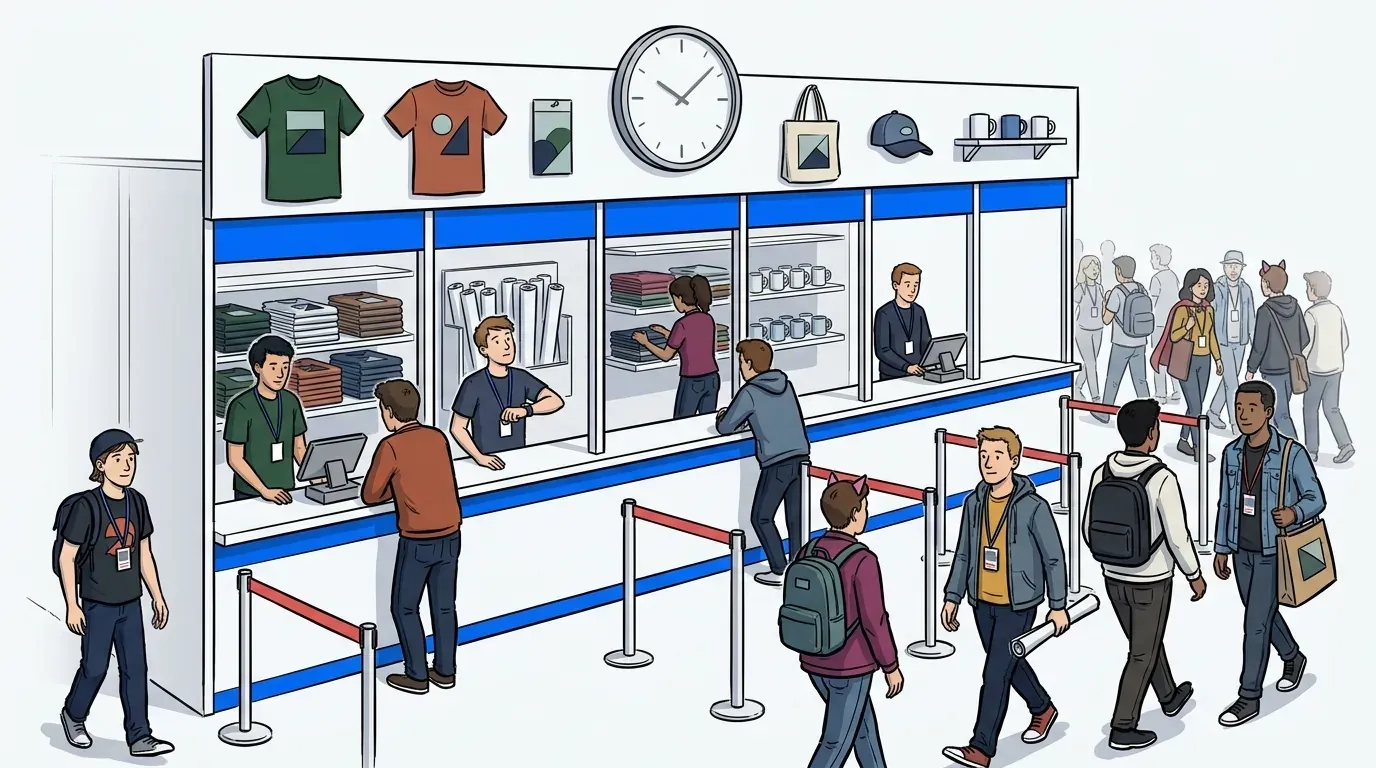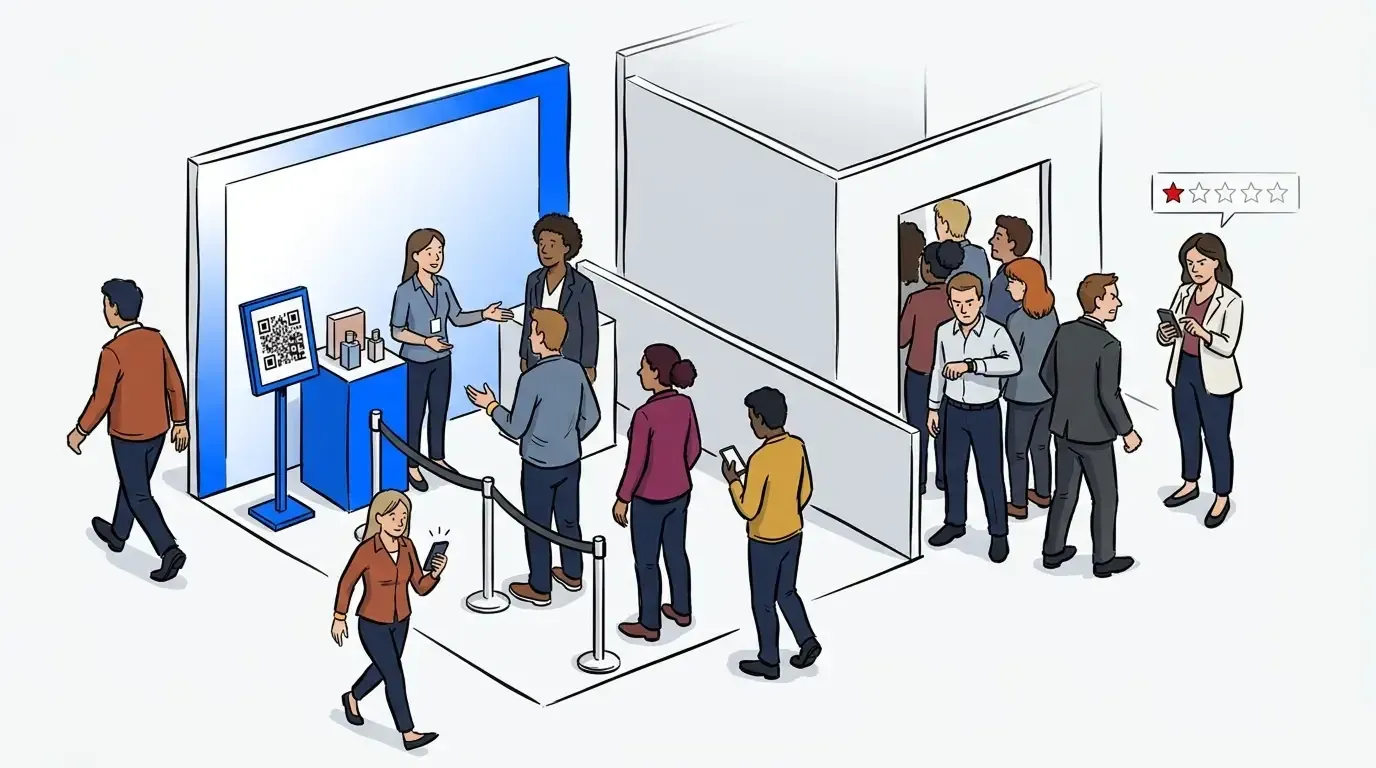
Long lines are one of the first things an attendee remembers about an event. Not the keynote, not the headline activation, just the 40 minutes spent standing on a concrete floor with no idea how much longer the wait will last. For event operators and brand teams, that frustration shows up later as lower satisfaction scores and guests who give up before they reach the front.
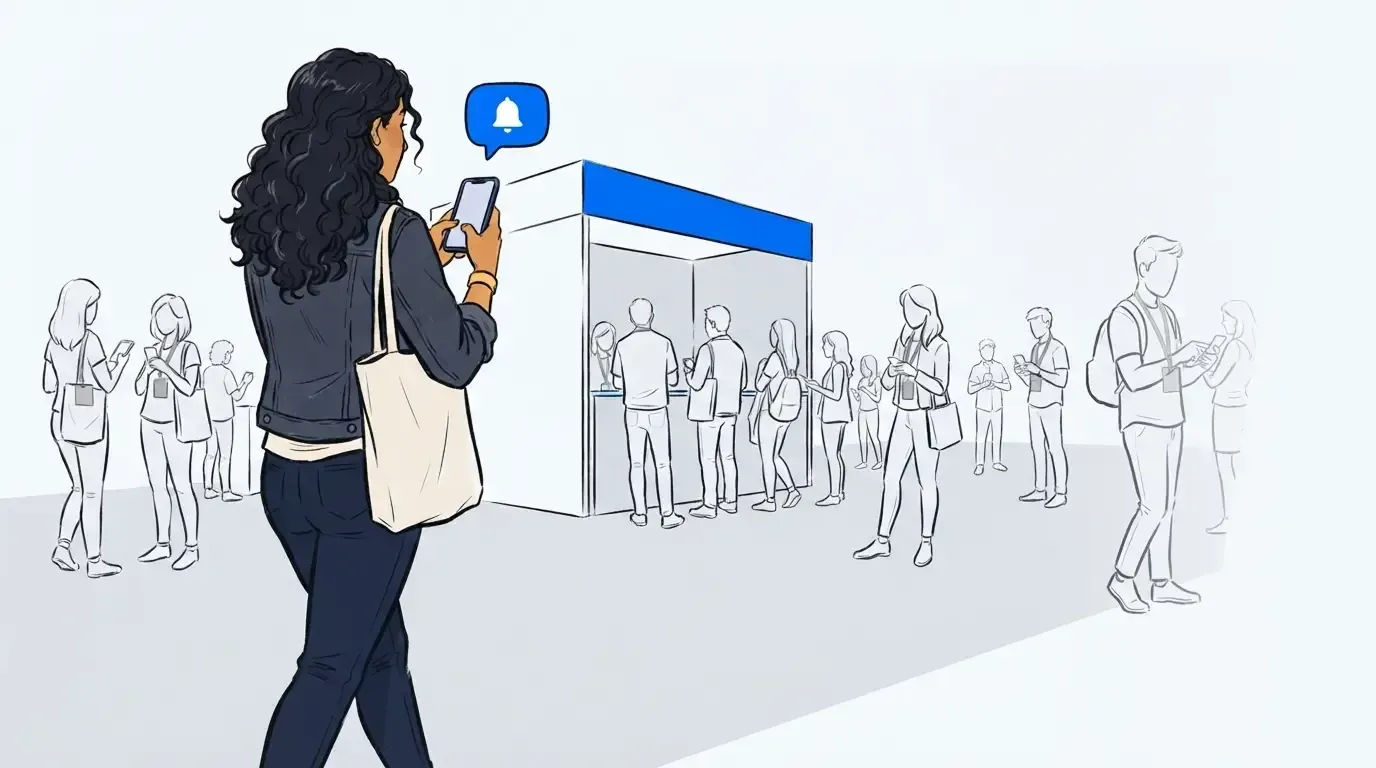
A virtual queue for events fixes the part of the wait that actually bothers people. Guests hold their place from their phone, then explore the venue until it is their turn. The line still exists. No one has to stand in it.
This guide explains what a virtual queue is, why it lifts attendee satisfaction, how it works on the ground, and how to measure the difference it makes.
What is a virtual queue for events?
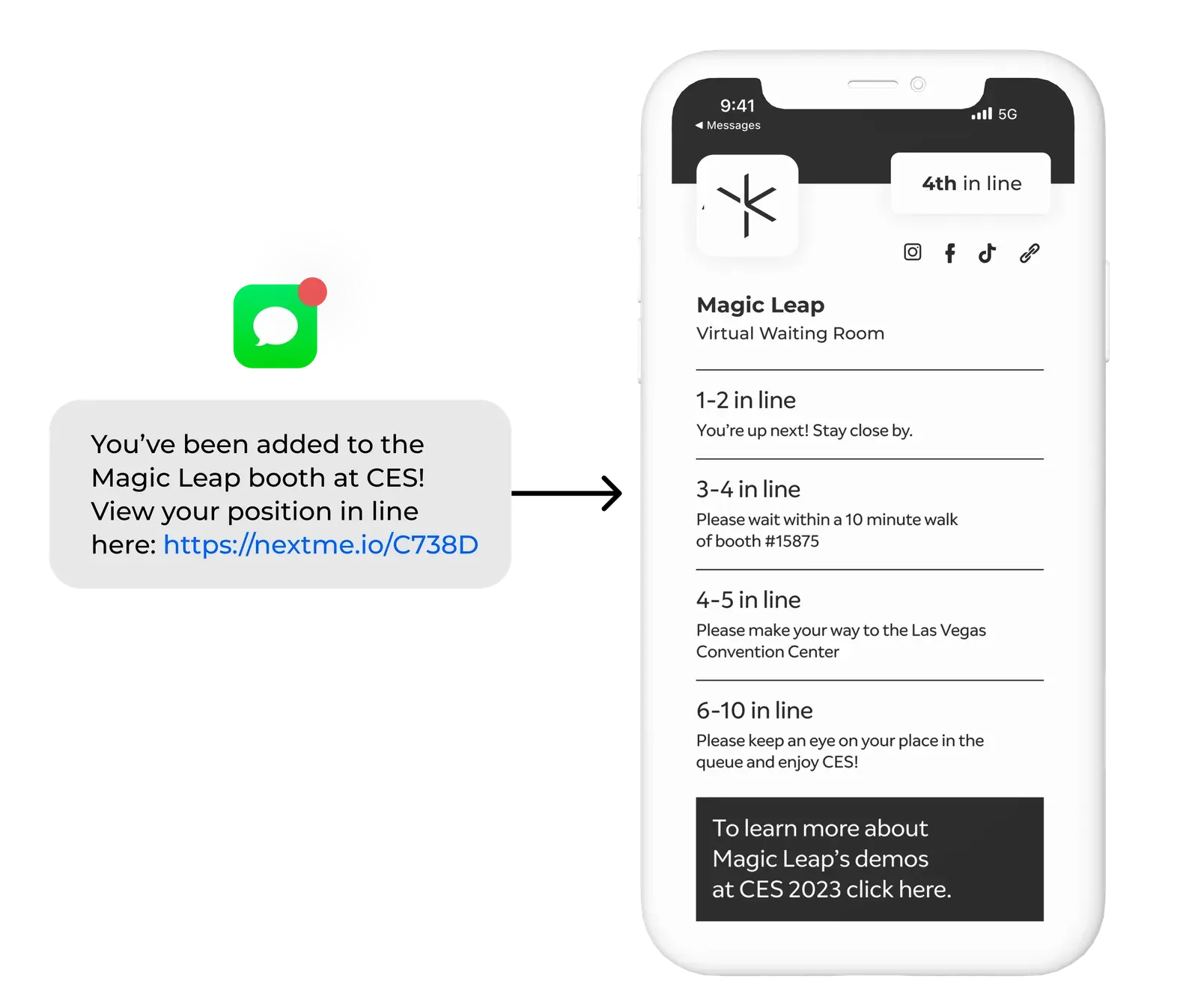
A virtual queue for events is a digital line that guests join from their phone instead of standing in a physical one. They join, receive a position number and estimated wait by text, and get a message when their turn is near. Until then, they wait wherever they like.
The model works for anything with a wait: a product activation, a meet and greet, a registration desk, or a popular booth. Instead of one slow-moving line, the event runs a live list that updates in real time. Guests stay free to move, and staff keep a clear view of who is next. It is one piece of a wider approach to queue management for events that keeps crowds moving.
Why long lines hurt attendee satisfaction
A long line at an event is an information problem, not a capacity problem. Guests rarely mind a short wait they understand. They mind not knowing how long it will take, or worrying that they are missing something better while they stand still.
This is why adding more staff or more lanes often falls short. The wait may get shorter, but the uncertainty stays, and attendees still feel stuck.
Visible lines are not the enemy either. A busy queue at an activation signals demand and builds anticipation. The goal is to control the line, not to pretend it away, so interest turns into a good memory rather than a complaint.
Attendees notice when an event respects their time. In Freeman’s 2024 study of attendee intent and behavior, 44 percent named technology that makes an event easier to navigate as a top driver of a positive experience. A virtual queue is exactly that kind of technology. For a wider view of moving crowds smoothly, see our guide to event crowd flow management.
How a virtual queue for events works
The flow is simple for guests and for staff. Most events set it up in four steps.
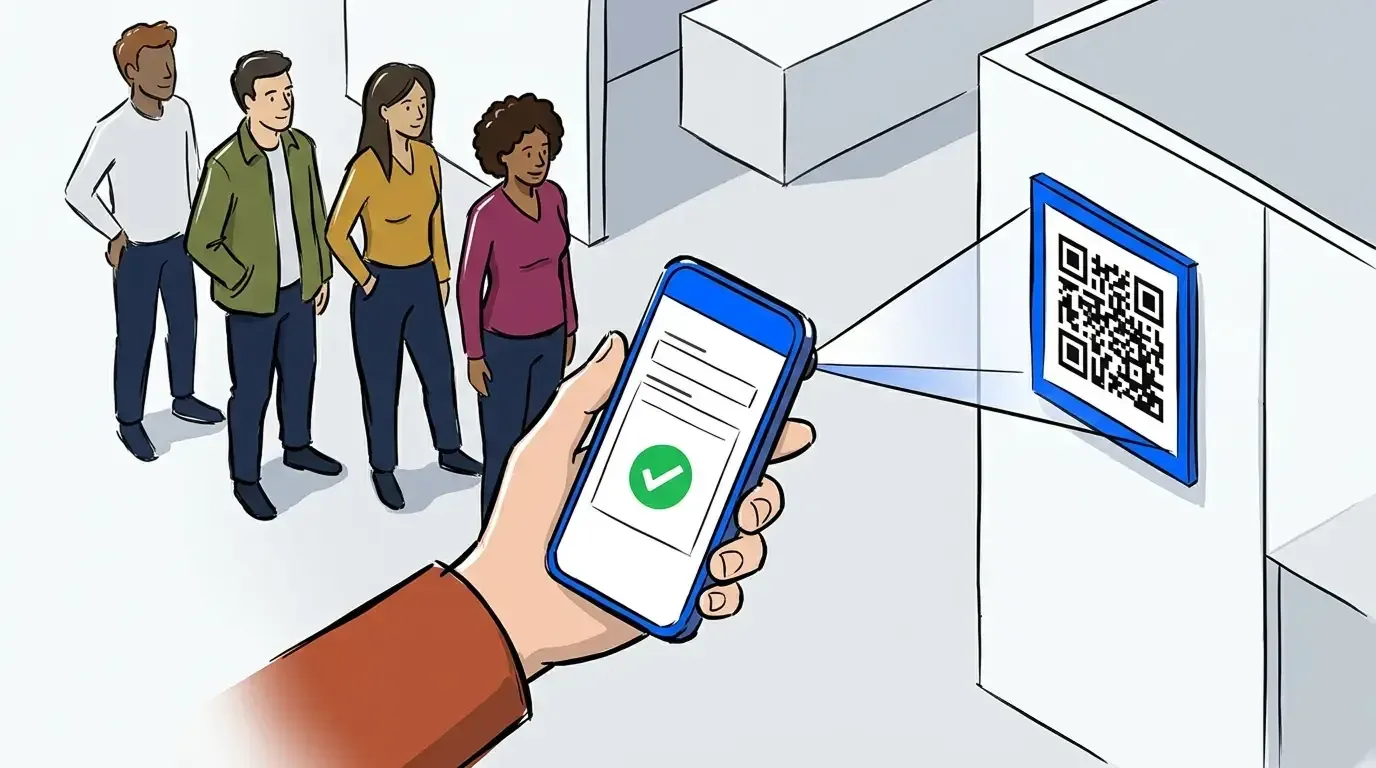
- Guests join the queue through self check-in by scanning a QR code or tapping a link.
- They get a text with their position in line and an estimated wait time.
- They explore the venue, visit sponsors, or grab food while they wait.
- A text tells them when to head back, and staff call them forward from a simple dashboard.
Guests download nothing. The whole process runs on the phone already in their pocket. Staff manage everything from one screen, which keeps the front of the line calm even on the busiest day. If you are weighing options for your next event, our guide on what to look for when choosing a platform walks through the buying decision.
Turning wait time into a better experience
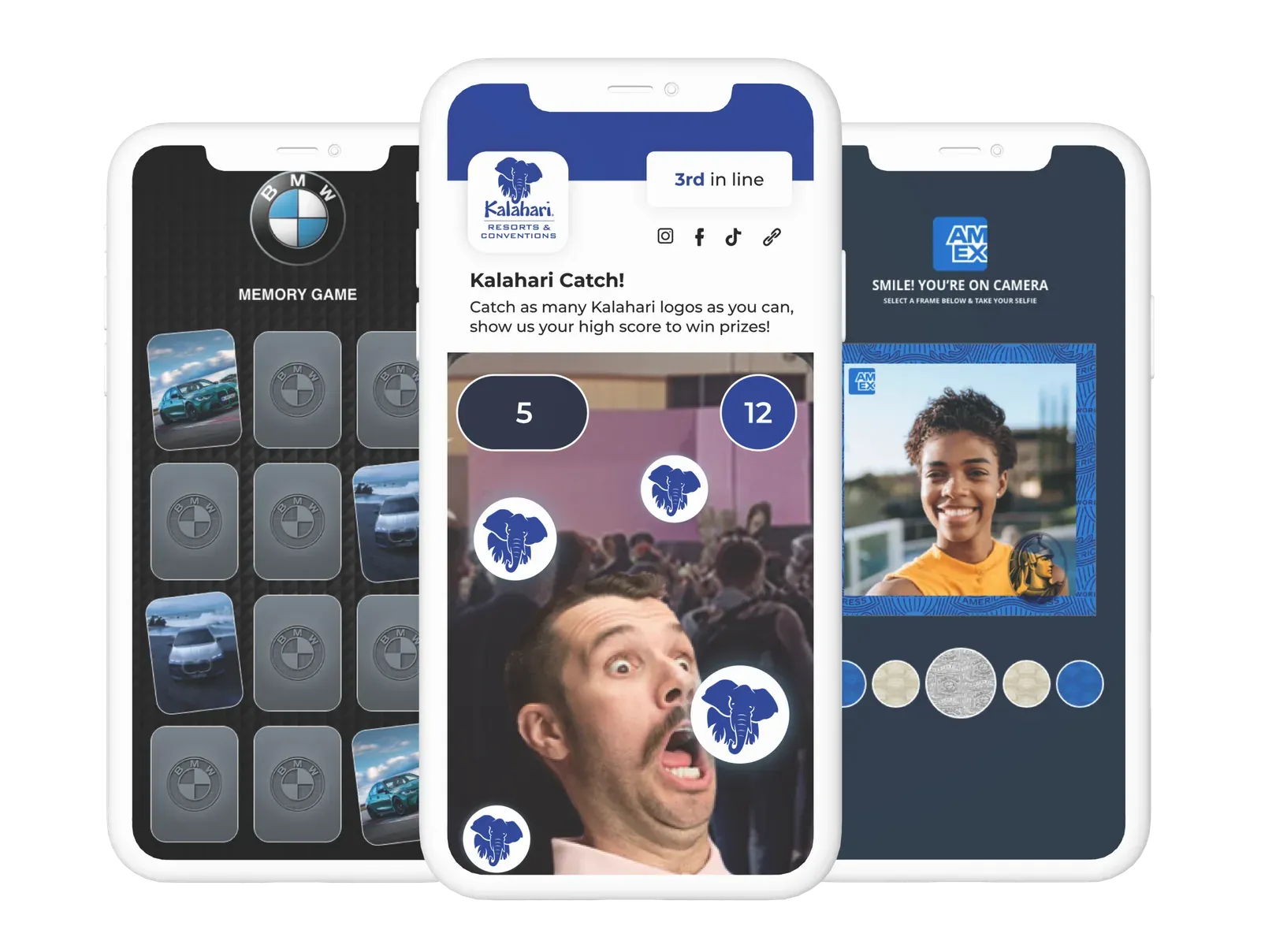
A virtual queue does more than move people. It opens a screen the event fully controls. When guests join the line, they enter a branded virtual waiting room instead of staring at a static ticket.
That screen is valuable space. Events run polls, product carousels, short videos, and games while guests wait, which turns idle minutes into engagement. Sponsors will pay for that attention, because it is captive and measurable. The wait becomes some of the most viewed inventory at the entire event.
This is where attendee satisfaction and sponsor value meet. Guests get entertained and informed instead of bored. Brands get logged interactions they can report on later. To see how teams put real numbers against that engagement, read how to turn event sponsor engagement into measurable ROI.
Measuring the satisfaction gains
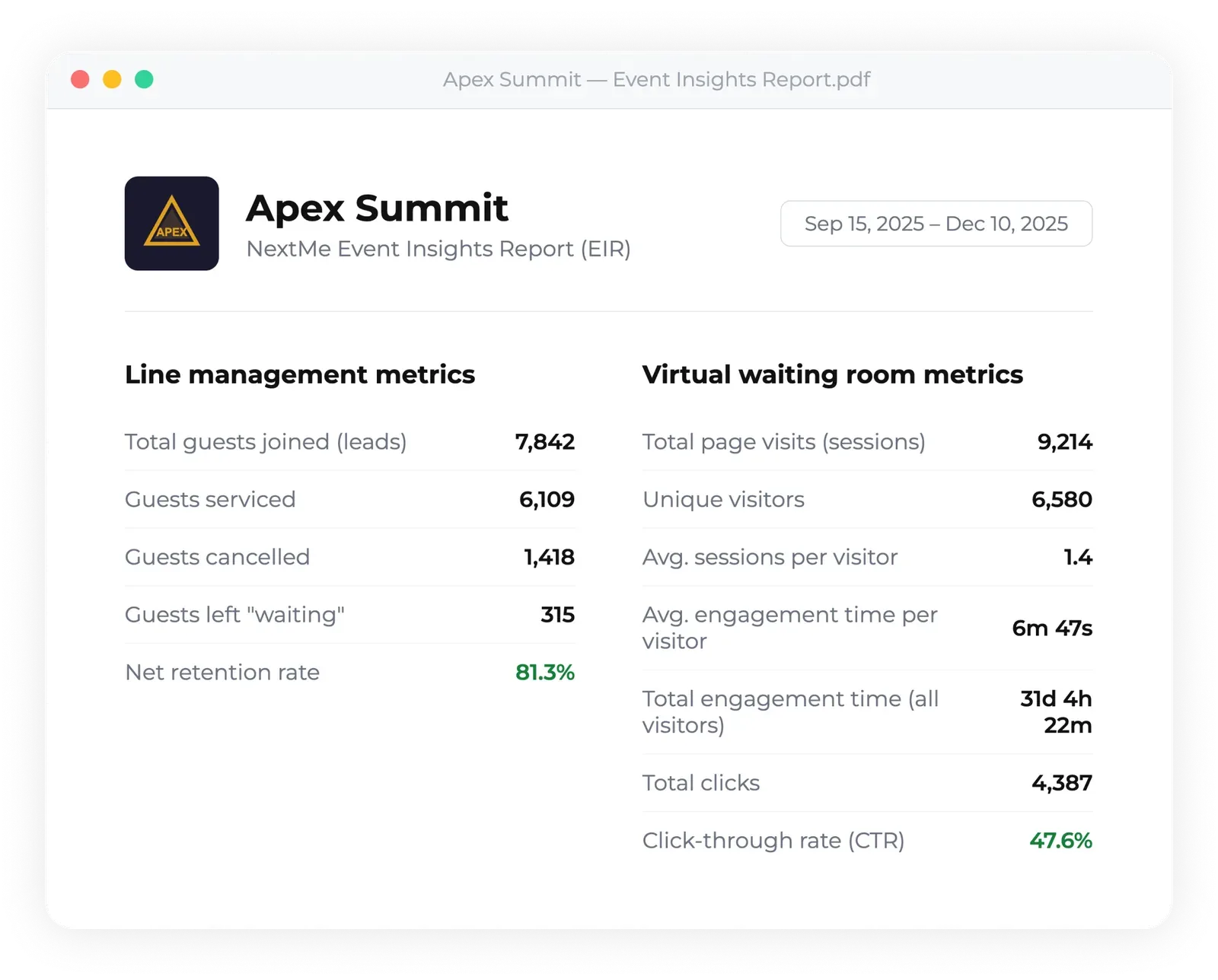
You can’t improve what you can’t see. A virtual queue records every step, so operators get clear analytics on wait times, throughput, peak periods, and engagement. NextMe turns that into a post-event report you can hand to stakeholders.
The results are concrete. At the Adult Swim Festival, NCompass International used NextMe to cut physical wait times by up to three hours, kept guests engaged with branded content while they waited, and used real-time analytics to prove the event’s ROI.
Numbers like these move the conversation past gut feeling. They show satisfaction gains in a form a finance team and a sponsor both understand.
The takeaway for event teams
Attendee satisfaction rarely comes down to the size of the crowd. It comes down to how the wait feels. A virtual queue for events removes the worst part of waiting, the standing and the not knowing, and replaces it with freedom and a branded experience guests enjoy.
The line can still signal demand. The difference is that guests spend that time exploring, engaging, and forming a better impression of your event. See how NextMe supports events from the first scan to the final report.