If your restaurant runs on Toast POS, the waitlist probably came bundled in without much of a decision behind it. Toast Tables showed up in your dashboard, it synced with your floor plan, and it worked well enough that switching to something else never felt urgent.
That “good enough” feeling is exactly the moment worth pausing on. Restaurants search for a Toast Tables alternative for a specific reason: the bundled waitlist that ships with your POS is built to keep you inside one ecosystem, not to be the best possible tool for managing your line.
This post covers what a bundled POS waitlist actually gives you, where the day-to-day friction shows up, what it quietly costs you in flexibility and guest engagement, and how to tell when your restaurant has outgrown it.
What Toast Tables actually gives your restaurant
Toast Tables is the waitlist and reservation module built into Toast’s point-of-sale platform. It reads your floor plan, table status, and server rotations straight from your existing Toast setup, so hosts see live seating information without leaving the host stand. For a restaurant already running Toast POS, that is the path of least resistance: no new login, no separate system to train staff on, and guest data flows directly into Toast’s own marketing and loyalty tools.
That deep integration is a genuine strength, not a marketing claim. A host who can see order status, payment status, and table turn time in one screen saves real steps during a Friday night rush. For restaurants that want one vendor and one bill, Toast Tables removes a decision most owners never wanted to make in the first place.
Where the day-to-day friction shows up
Beyond the ecosystem question, Toast Tables carries a handful of operational limitations that show up once a restaurant is actually running it during a shift.
- PCI compliance rules mean the Toast Tables host app cannot run on the main POS terminal itself. Hosts need a separate, approved tablet just to manage the waitlist, an extra device to buy and maintain on top of the POS a restaurant already pays for
- Table availability settings are locked behind advanced management permissions, so a host who hits a scheduling conflict mid-shift often cannot fix it without pulling in a manager
- Some operators report the table recommendation algorithm needs a meaningful amount of historical data to calibrate, and produces confusing suggestions or conflicts when seating large or unbooked parties in the meantime
- Smaller frictions add up too: guests cannot select a reservation duration online, so hosts adjust end times manually in five-minute increments, and there is no at-a-glance daily guest count, so staff tally totals by hand
The tradeoff behind the convenience
Restaurant technology is consolidating fast. Coverage from this year’s National Restaurant Association Show described operators actively favoring unified platforms over fragmented point solutions, prioritizing long-term vendor stability and integration depth over picking the single best tool for each job. That instinct makes sense on paper. Fewer dashboards, fewer vendors, fewer logins.
But a bundled waitlist is designed to be good enough, not best in class. When ecosystems try to do everything, they do everything just “okay.” Toast Tables exists to keep you inside Toast’s ecosystem, not to win on its own merits as a waitlist product. The real cost rarely shows up on day one. It shows up the day you want to change your POS, negotiate better processing rates, or add a feature Toast has no reason to prioritize because your waitlist was never the product they were trying to win with.
Long-term contracts and early termination fees compound that risk. A restaurant that consolidates everything into one vendor gains simplicity today and inherits a lock-in structure designed to serve that vendor’s retention goals, not necessarily the restaurant’s.
None of this means leaving Toast altogether. Splitting the waitlist out from Toast Tables does not mean splitting from Toast POS. It means giving Toast the one job it does exceptionally well, running payments, orders, and the kitchen, while a dedicated tool runs the front-of-house guest experience Toast was never built to specialize in.
Marketing real estate you own
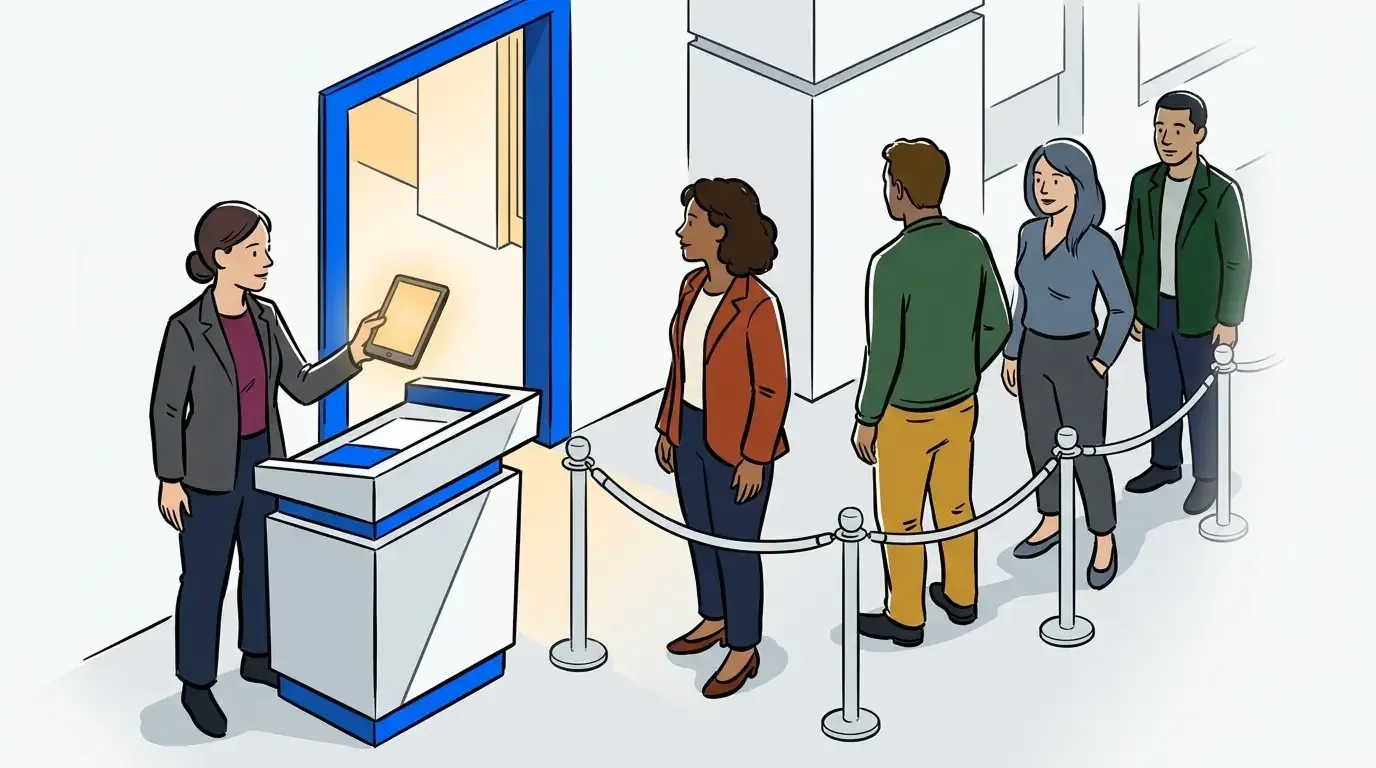
A dedicated waitlist app like NextMe treats the wait itself as something worth owning, not just tracking. Guests check in from their own phone or a host-facing tablet, no app download required, and instead of a blank status screen they see a branded virtual waiting room the restaurant controls end to end.
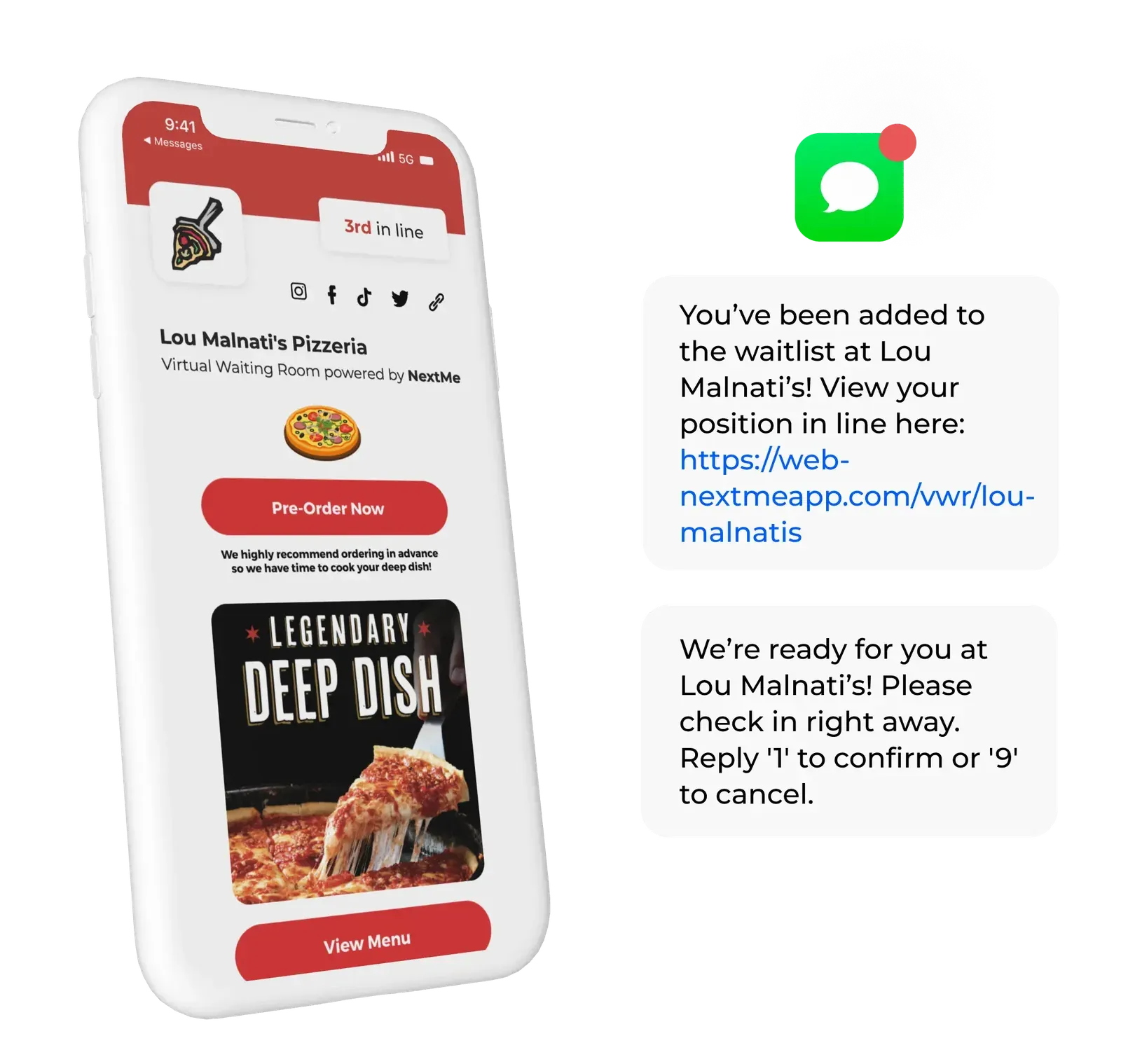
That distinction matters more than it sounds. A bundled waitlist screen is infrastructure a platform maintains to serve its own goals, usually pointing guests back toward the platform’s own marketing and loyalty tools. A virtual waiting room a restaurant owns is different: it is real estate the restaurant can use to preview tonight’s menu, promote a happy hour, or simply reinforce its own brand while guests wait, with the data and the relationship staying with the restaurant rather than a POS vendor’s ecosystem.
A delightful wait turns into a better review
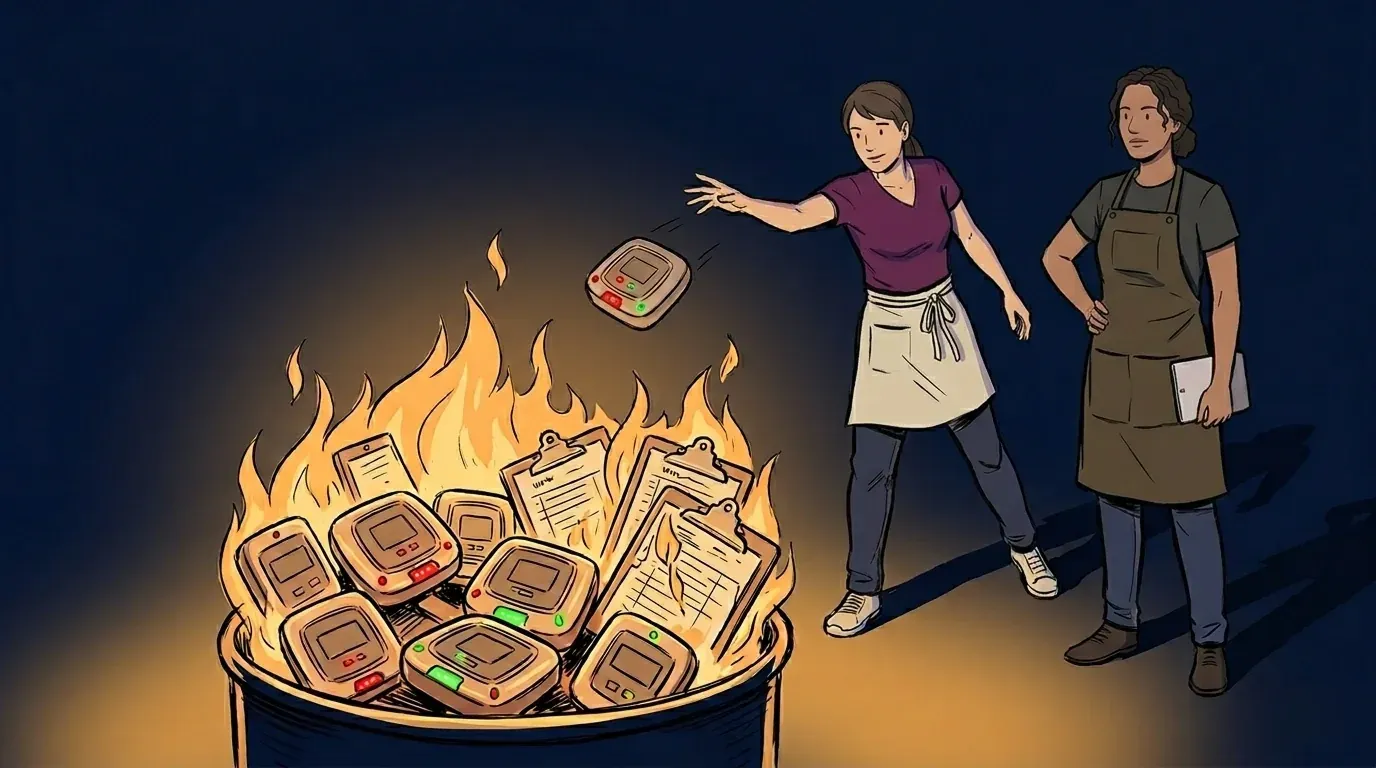
Southport Grocery saw an 18 percent improvement in online reviews after moving to a dedicated waitlist, alongside resolving long-standing complaints about wait times. The mechanism is simple: guests who know where they stand and get a clear text when their table is ready complain less and remember the visit more fondly than guests staring at a paper list or a generic pager.
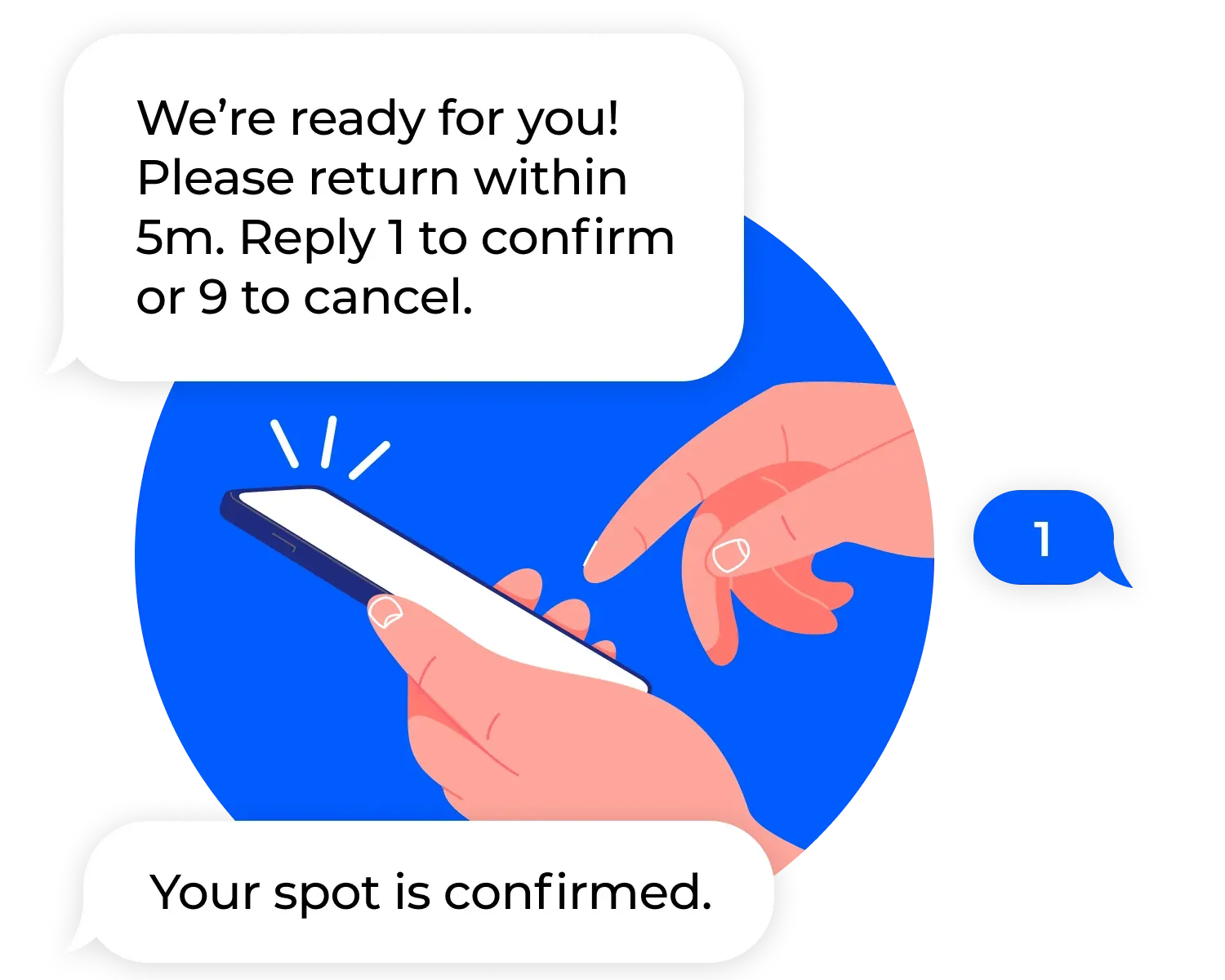
Southport Grocery also saved over $2,000 switching away from its previous system, a reminder that moving to the right tool, not just the most convenient one, tends to pay for itself. A bundled waitlist rarely gets measured this way because it is not sold as its own product. It is worth holding it to the same bar.
Signs your restaurant has outgrown a bundled waitlist
A bundled waitlist is not automatically wrong for every restaurant. It is worth reconsidering once any of the following starts to feel true:
- Guests still ask what happened to their table after the confirmation text, a sign the wait experience itself needs more than a status update
- The restaurant operates more than one location and wants one consistent guest experience regardless of what POS each location runs
- No-shows are eating into covers on busy nights, which a dedicated digital waitlist built around confirmation and cancellation is designed to solve directly
- Leadership wants real reporting on wait times, no-show rates, and guest volume by shift, not just a basic queue count
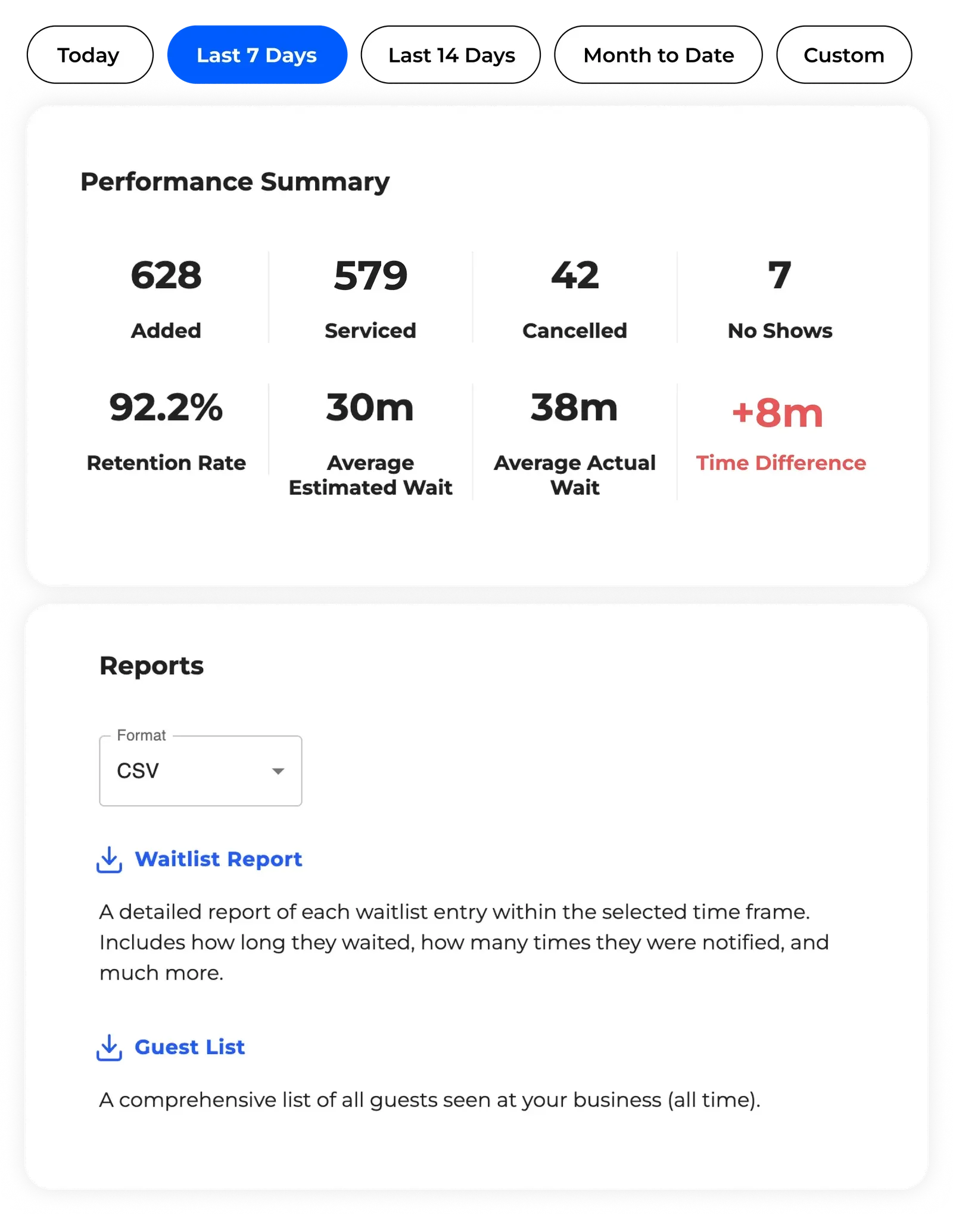
Turning a busy Friday night into more covers rather than more walkaways is the same math behind why restaurants adopt a dedicated digital waitlist in the first place, whether or not Toast is already in the building.
Conclusion
Toast Tables is a reasonable default for a restaurant that wants one vendor and nothing more to think about. But convenience and capability are different things, and the gap between them tends to show up right when a restaurant needs flexibility most. Unbundling the waitlist does not mean unbundling Toast. It means letting Toast run the POS it built its business on, while a dedicated tool runs the front-of-house experience guests actually remember. See how NextMe works as a dedicated alternative built for exactly that.