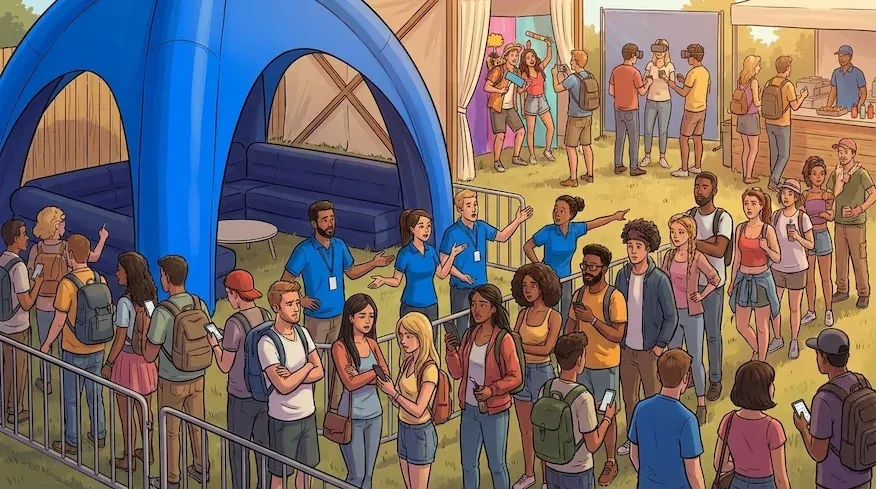
Long lines at events don’t always mean demand is strong. Poor event queue management can turn real interest into walkaways, missed leads, and a crowded activation that feels harder to run than it should.
For event organizers, the goal isn’t to remove every visible line. It’s to create buzz, prevent overflow, and give people a clear sense of what happens next. If you want a practical look at how that works, you can book a demo.
Key Takeaways:
- Event queue management works best when you control both the visible line and the overflow
- The real problem is usually uncertainty, not waiting itself
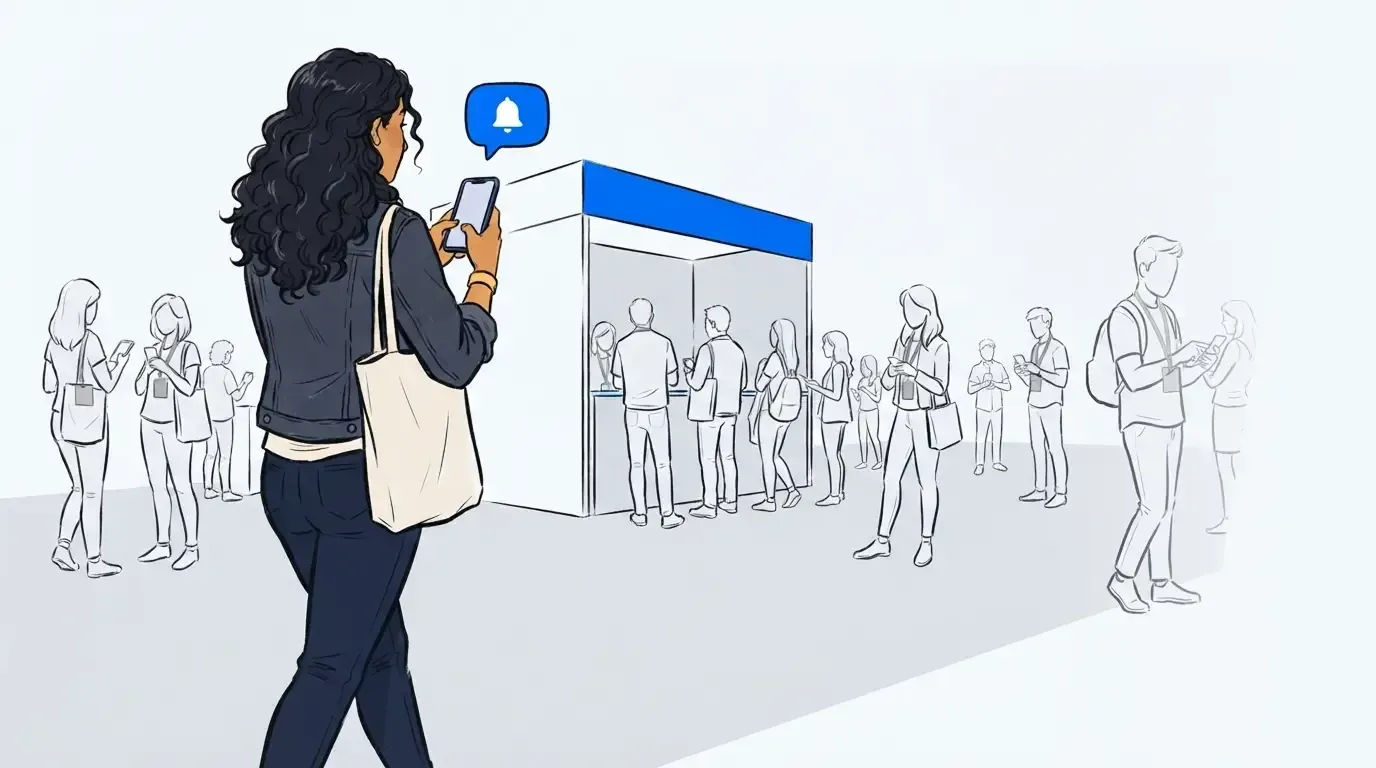
- Guests are more likely to stay when they can wait from their phones and get updates
- A better event queue management setup reduces crowding and protects throughput
- Wait time can become branded engagement time with the right virtual waiting room content
Why event queue management breaks down at busy activations
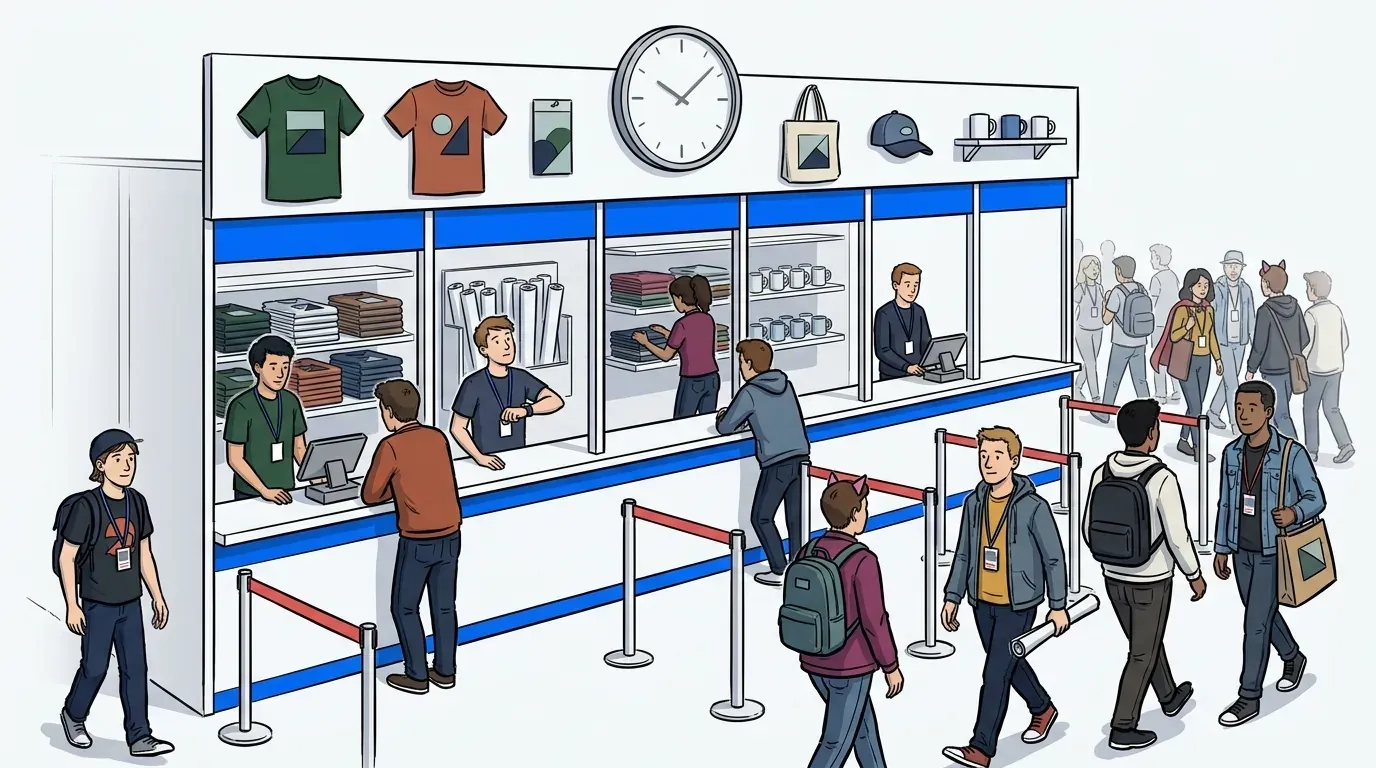
Event queue management breaks down when too many guests are forced into the same physical waiting pattern. Once a line gets too long, it starts taking up space, confusing guests, and pulling staff away from the actual experience. That’s when demand stops looking exciting and starts looking broken.
The line is not always the problem
A visible line can be useful at an event. It creates curiosity. It can signal demand. It can even make an activation feel worth checking out. But most operators already know the downside. Once the line grows past what the space can handle, it becomes friction.
That is where many teams go wrong. They treat all lines as bad, or they accept all lines as normal. Neither view is very helpful. Good event queue management is more balanced than that. You keep some line visible when it works for the experience, and you move overflow into a better system before people get irritated or leave.
I think this matters more than people admit. At a trade show booth or fan activation, you are not just managing a queue. You are managing perception.
The real problem is uncertainty
Most attendees can tolerate a wait if they know what is happening. What they rarely tolerate well is confusion. They do not know how long the wait is. They do not know if the line is moving. They do not know whether they should stay put, walk away, or come back later.
That uncertainty creates a chain reaction. Guests ask staff for updates. Staff stop focusing on service and start repeating the same answers. The area gets tighter. The mood gets worse. Soon the problem is no longer wait time alone. The problem is that your event queue management system is forcing everyone into guesswork.
If you have ever watched a promising activation lose energy because the line looked chaotic, you know the feeling. It’s frustrating because demand is there, but the experience still feels off.
The cost shows up in space, throughput, and drop-off
Poor queue control costs more than patience. It costs floor space, staff attention, and completed interactions. At large events, organizers also have to think about crowd flow and compliance. A packed line near a booth, sidewalk, or entry point can create an operational problem fast. Inc. Media faced that pressure at SXSW, where physical queues risked blocking public areas and creating liability concerns. Check out our case study on managing SXSW activation crowd flow.
Then there is the lost opportunity cost. Guests who stand in place are not exploring the event, seeing sponsor messaging, or taking part in nearby experiences. Some will leave before their turn. That is not theory. SXSW XR exhibitors retained 32% more attendees after using a virtual waiting room model built around self check-in and SMS updates, based on the published SXSW XR event case study.
What better event queue management actually looks like
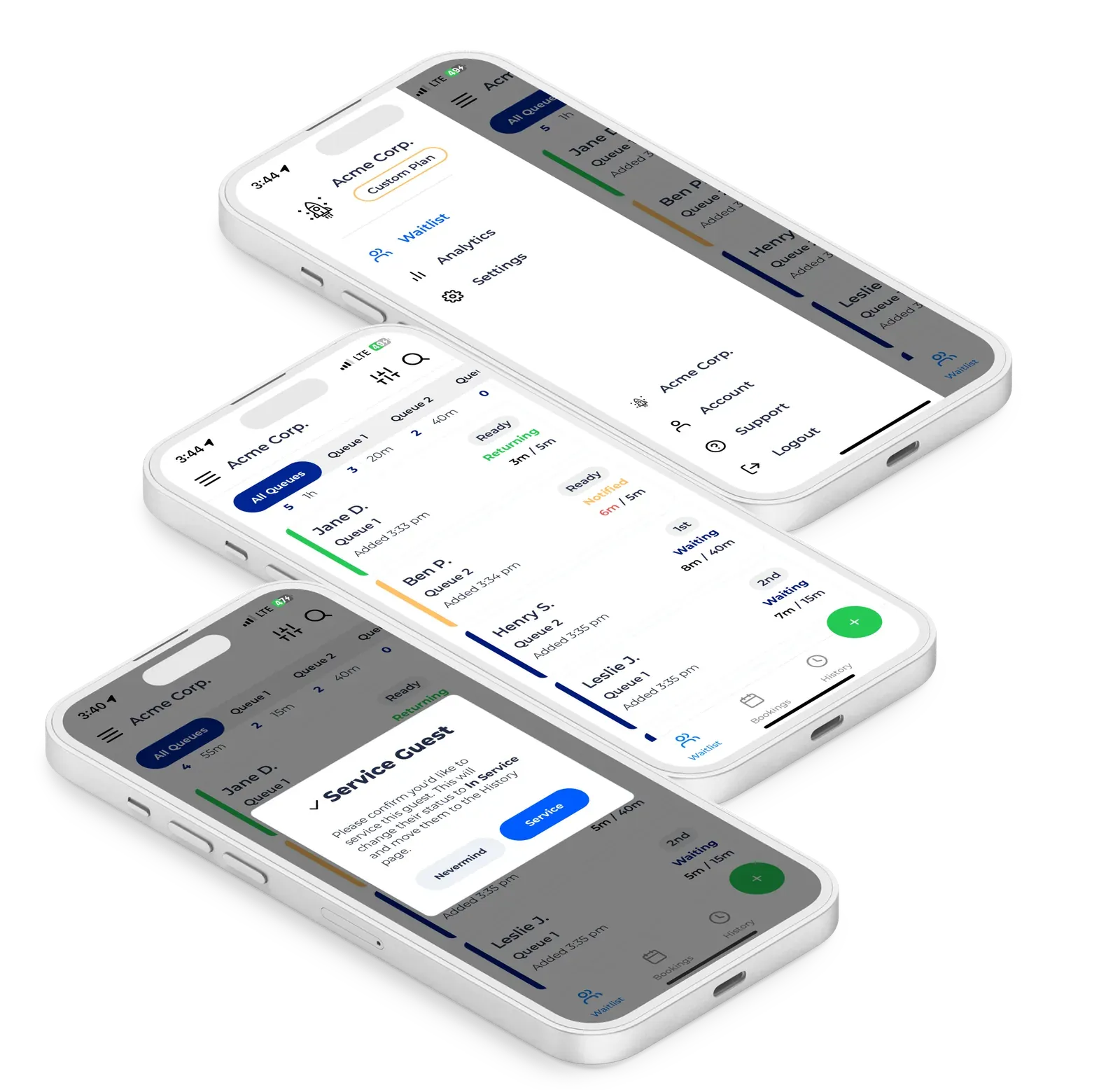
Better event queue management gives operators control over how much of the line stays visible and how much moves into a virtual queue. Guests stay informed, stay mobile, and return when space is available. That shift reduces physical congestion without pretending that live events can run on rigid schedules.
Keep the buzz, reduce the overflow
The old model is simple but rough. Everyone stands in the same line the whole time. That works for low demand. It fails once foot traffic spikes and the space gets tight. Events are not static environments, and your queue should not act like one.
A better model is hybrid. You keep a short visible line where it creates buzz and curiosity. Then you move the rest into a virtual queue. This is a smarter form of event queue management because it respects both guest behavior and event reality. People still see interest, but they do not have to stay stuck in place.
Some teams worry that removing people from the line will kill momentum. Fair point, but that only happens when the process becomes invisible. If guests can join easily, get updates, and know when to return, you keep the signal of demand without the mess.
Replace waiting in place with waiting on purpose
Good event queue management changes the question from “Where should people stand?” to “How should people wait?” That is a big shift. A guest who can wait from their phone is in a very different state than one who is trapped in a crowded aisle.
This is where event operators usually see the hidden gain. When guests are mobile, they can visit another sponsor, grab a drink, walk the floor, or stay near the activation without feeling boxed in. The wait still exists virtually. But the experience feels lighter because the guest has more freedom and more information.
Honestly, that is the part many teams miss the first time. They focus on reducing the line, which makes sense. But the stronger move is improving the waiting experience itself.
Use communication to protect attendance
Communication is what makes this model hold together. Without it, virtual queues can feel vague. With it, they feel organized. Event queue management only works when guests know they are still in line, still accounted for, and still moving toward their turn.
That means your process needs a few basics:
- A simple way to join the queue
- A clear confirmation that the guest is in
- Status updates during the wait
- A return message when it is time to come back
This is not just an operational preference. It is what keeps people from drifting away. BMW’s Ultimate Driving Experience increased test drives by 26% after improving waitlist management and real-time attendee communication across 25 cities, based on the published BMW event case study.
Build around event variability, not office logic
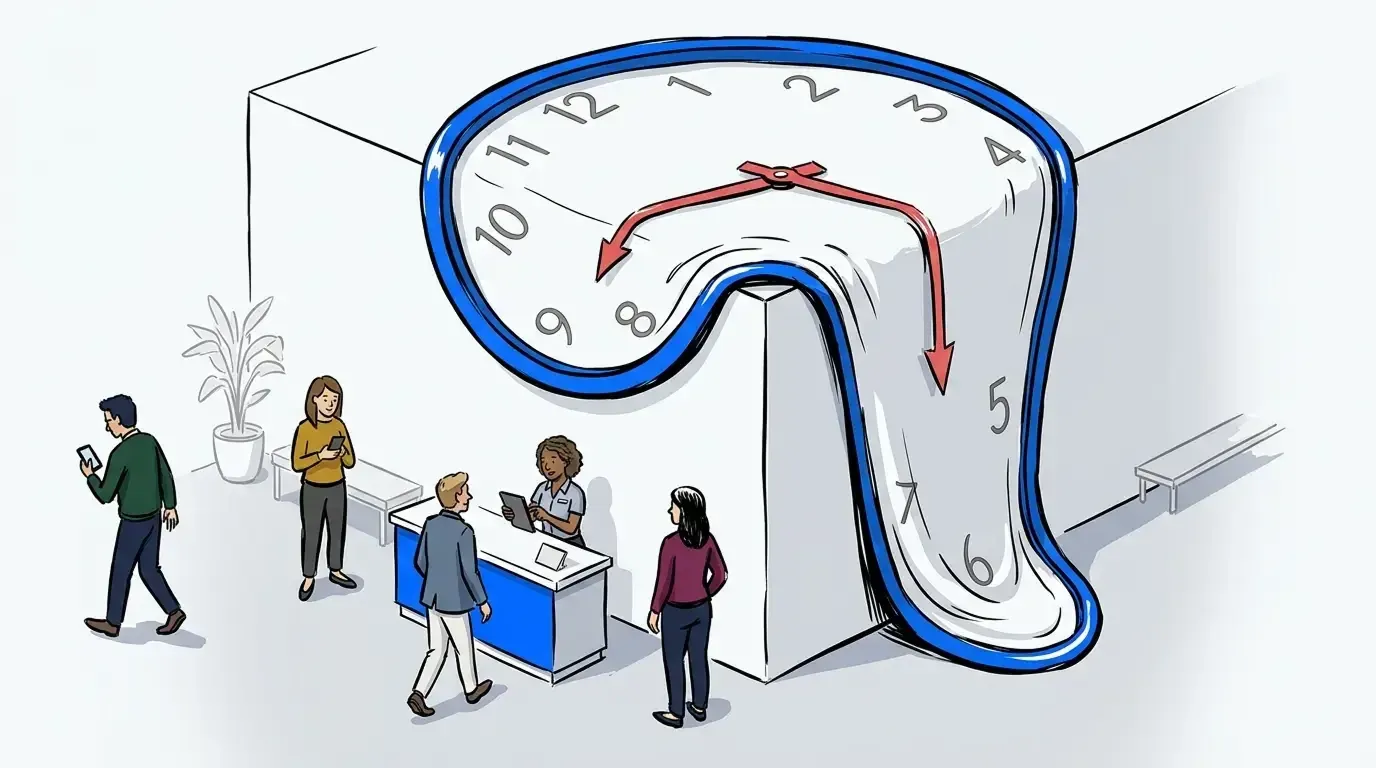
Events do not run like clinics or corporate calendars. Timelines shift. Sessions run long. Crowds surge after keynote sessions or during limited product drops. That is why rigid appointment logic often feels wrong in event queue management.
What works better is a flexible system that can absorb walk-up demand while still giving attendees enough structure to plan their time. Your queue should adapt to the event, not force the event into a schedule it cannot keep.
I’d argue this is one of the most overlooked truths in event operations. Teams borrow advance scheduling models from other industries, then wonder why the experience feels stiff. Live events need a flexible queue based model built for movement.
If you want to see what that looks like in practice for high-traffic activations, you can see it in action.
How to turn wait time into a better guest experience
The best event queue management systems do more than hold a spot. They use the wait to improve guest experience, increase engagement, and protect the value of the activation. When waiting becomes useful instead of dead time, the whole event performs better.
Start with a low-friction join flow
Guests should be able to join fast. If the intake process is clumsy, the line problem just moves upstream. At events, that usually means giving people multiple simple entry points such as a QR code, kiosk, or direct link. The easier the join flow, the easier it is to prevent crowd buildup at the check-in point.
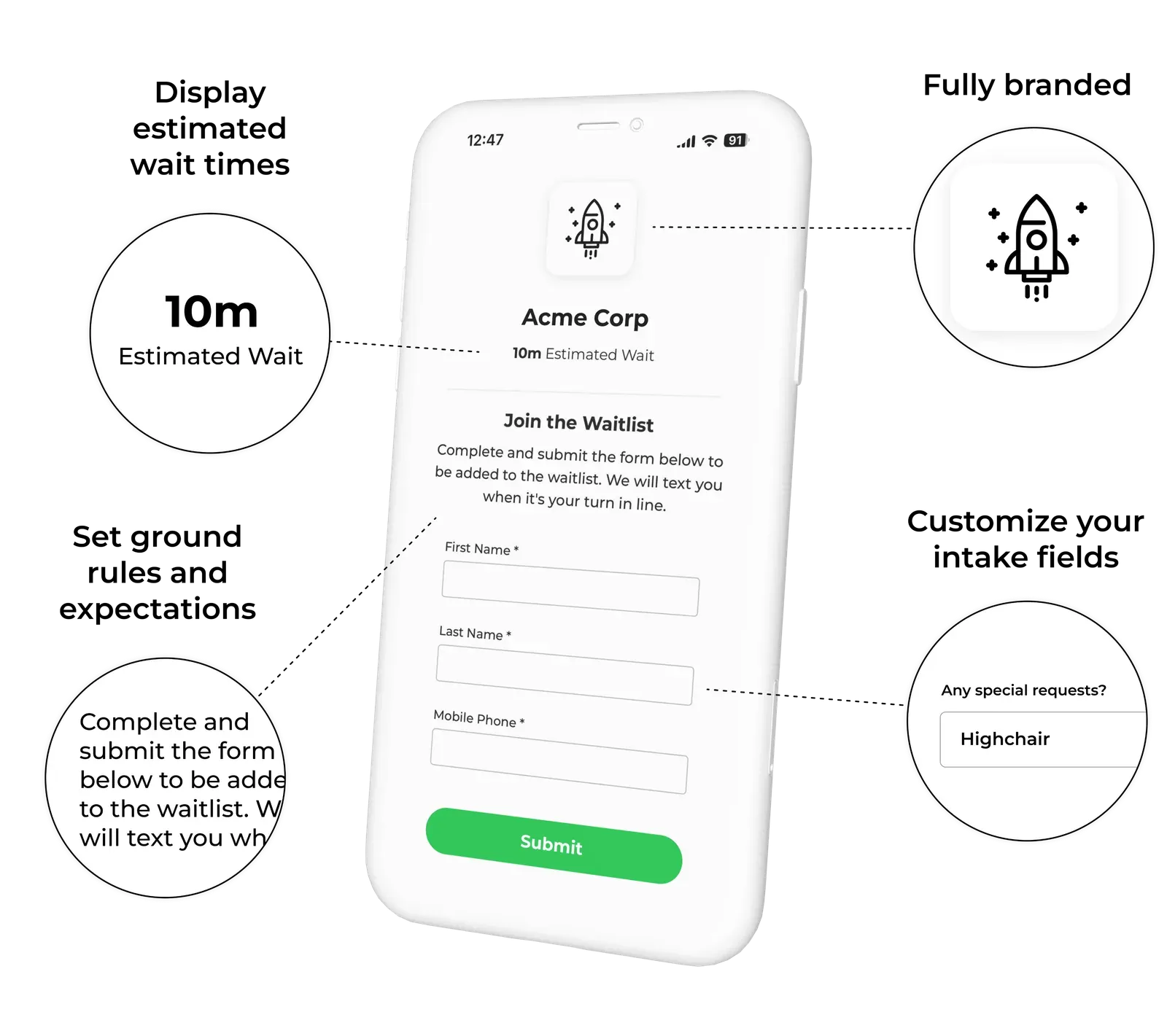
This matters a lot during rush periods. A standard physical line flow that works at a calm event can fail fast when a crowd arrives all at once. Event queue management has to account for that pressure before it happens, not after. Otherwise staff start improvising, and that is where errors and delays creep in.
What I have seen work best is a join process that feels obvious even for first-time guests. If people need a long explanation, it is already too complicated.
Give guests something useful to do while they wait
Wait time does not have to be wasted time. For event operators, this is one of the biggest missed opportunities. If guests are out of the physical line and on their phones, the waiting period can become part of the experience instead of a blank gap.
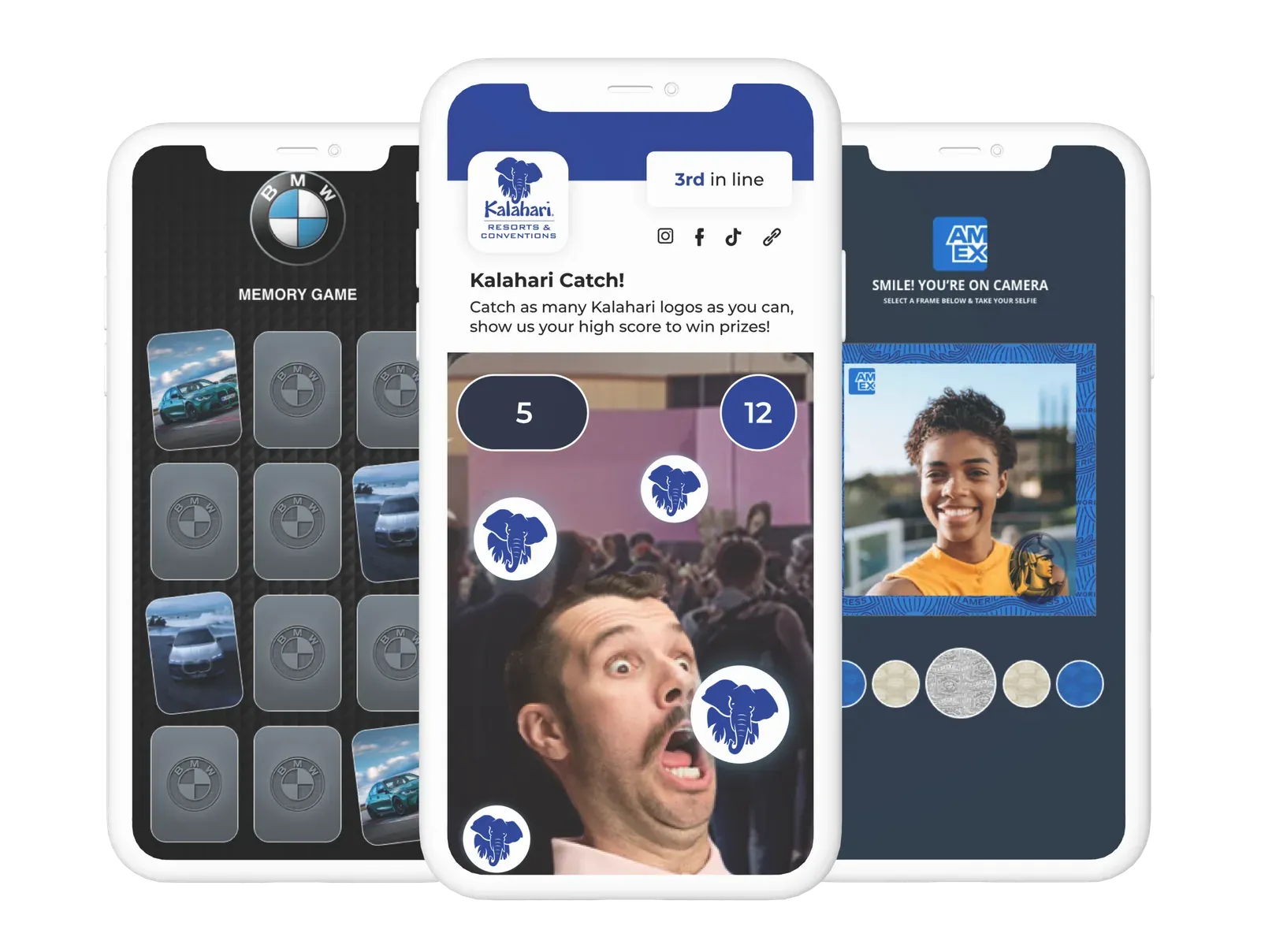
That can mean branded content, sponsor placement, product education, event maps, videos, polls, or simple reminders about what is coming next. In other words, event queue management can support both operations and engagement at the same time. That is a big deal for brands and agencies that need more value from every attendee interaction.
HudsonGray and SYFY used this kind of model at Comic-Con and saw a 25% increase in brand engagement, according to the published Comic-Con activation case study. That result makes sense. When attendees are informed and free to explore, they stay in the brand story longer.
Protect staff focus at the activation
When a line gets long, staff often become line managers first and brand ambassadors second. That is a problem. The team running the experience should be focused on serving guests, not answering the same queue questions over and over.
Strong event queue management reduces that distraction. Guests already know they are in line. They already know where they stand. They already know when to come back. That means staff can focus on throughput, quality, and the actual interaction.
There is also a morale piece here. A crowded activation with confused attendees feels tense fast. A controlled queue feels calmer. That difference affects how the team works through a long event day.
Measure what happened so the next event runs better
A lot of event teams still walk away from busy activations with only a rough memory of what happened. They know it felt crowded. They know one station got slammed. They know some people left. But they do not have the data to prove where the queue broke or when demand peaked.
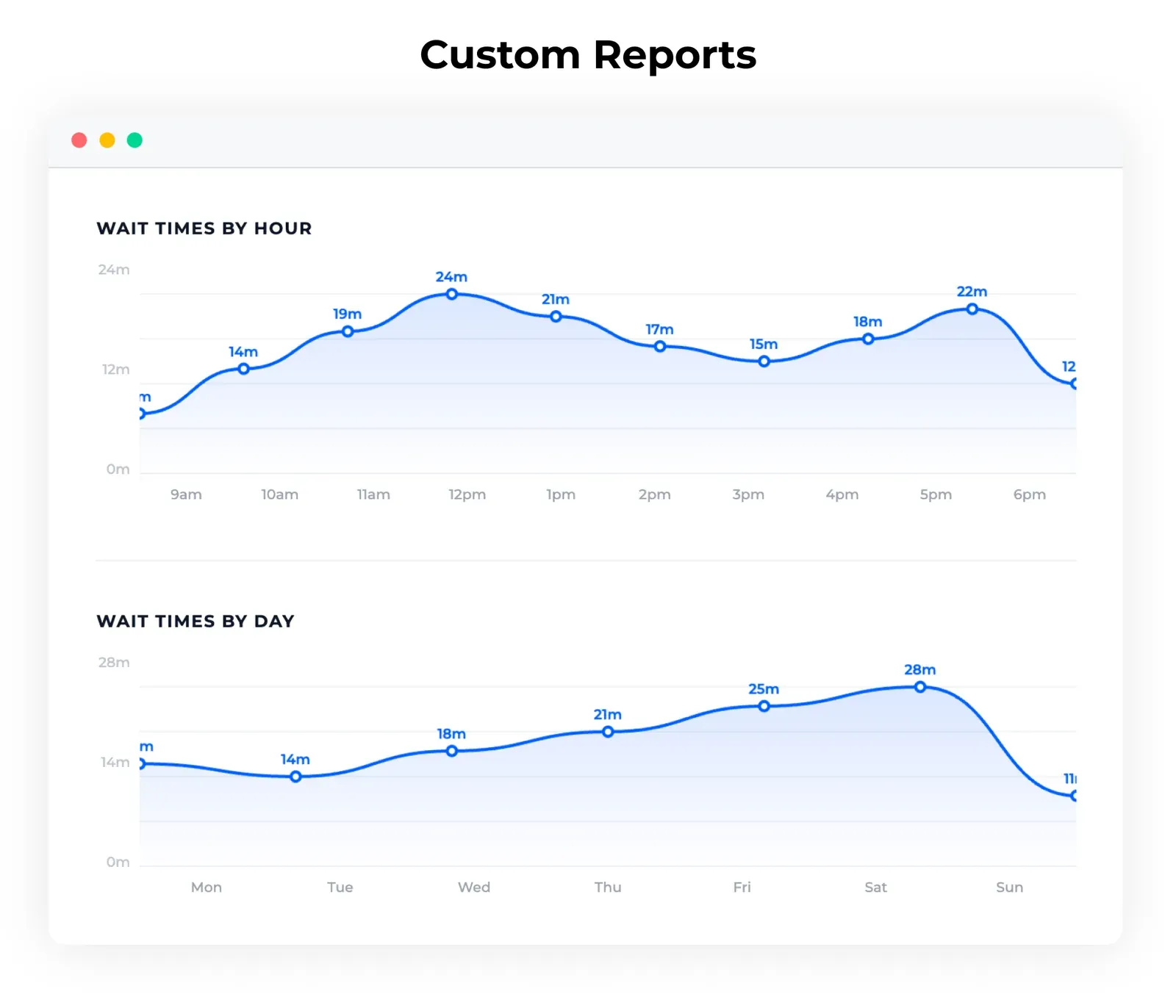
That is why measurement matters in event queue management. You want to know wait times, throughput, engagement, and where guests dropped off. Those details help you plan staffing, booth layout, sponsor inventory, and station capacity for the next show.
The Mom Project used queue data to improve station utilization while increasing time spent networking by 37% and station throughput by 30%, based on the published career fair waitlist case study. That is the point. Better waiting is not just about one smoother day. It gives you a better operating model for the next event too.
How NextMe supports event queue management without removing every line
NextMe is a modern virtual waiting room for in person experiences. For event queue management, it gives operators a hybrid way to control long lines, keep guests informed, and move overflow into a virtual queue while maintaining some physical line presence where it still makes sense.
A hybrid queue gives operators more control
NextMe is built as a hybrid queue solution, not an all-or-nothing replacement for physical lines. Guests can join through self check-in using a QR code, kiosk, or link, and staff can also add guests directly. From there, waitlist management and the real-time staff dashboard show who is waiting, who is next, and who is being served.
That matters when foot traffic shifts by the minute. Instead of forcing everyone into one crowded line, operators can decide how much of the queue stays visible and how much moves into virtual waiting. NextMe also supports multiple queues within one waitlist, which is useful for multi-station activations where demand is spread across separate experiences or service points.
SMS updates and the Virtual Waiting Room reduce uncertainty
NextMe sends SMS confirmations, updates, and return notifications without requiring an app download. Guests wait from their phones and get a link to a branded Virtual Waiting Room that updates as the queue changes. That setup directly addresses the uncertainty problem that causes many event lines to feel worse than they need to.
For brands and sponsors, the wait can also become a place for engagement. The Virtual Waiting Room can include branded guest engagement content such as sponsorships, product carousels, games, videos, maps, social feeds, and CTAs. So the queue does more than hold a place. It keeps guests informed while giving the activation more value during the wait.
Reporting closes the loop after the event
NextMe also gives operators a way to measure what happened. Analytics track queue performance, and Event Insight Reports provide post-event reporting with virtual waiting room engagement, throughput metrics, and additional analysis. That makes it easier to review what worked, where pressure built, and how to plan the next activation with fewer mistakes.
For large events, NextMe also offers high volume event readiness for simultaneous high-volume check-ins and event support options that include onboarding, dry runs, and dedicated account management. If you’re looking for a practical way to improve event queue management without pretending events are perfectly predictable, get in touch.
A smarter way to run event lines
Event queue management works better when you stop treating every line the same. A short visible line can create buzz and demand. A long unmanaged one can waste space, frustrate guests, and cost you real engagement.
The better move is simple: keep guests informed, keep them mobile, and bring them back when it’s closer to their time to check-in. That is how operators reduce friction without losing demand signals, and that’s how waiting starts working for the event instead of against it.