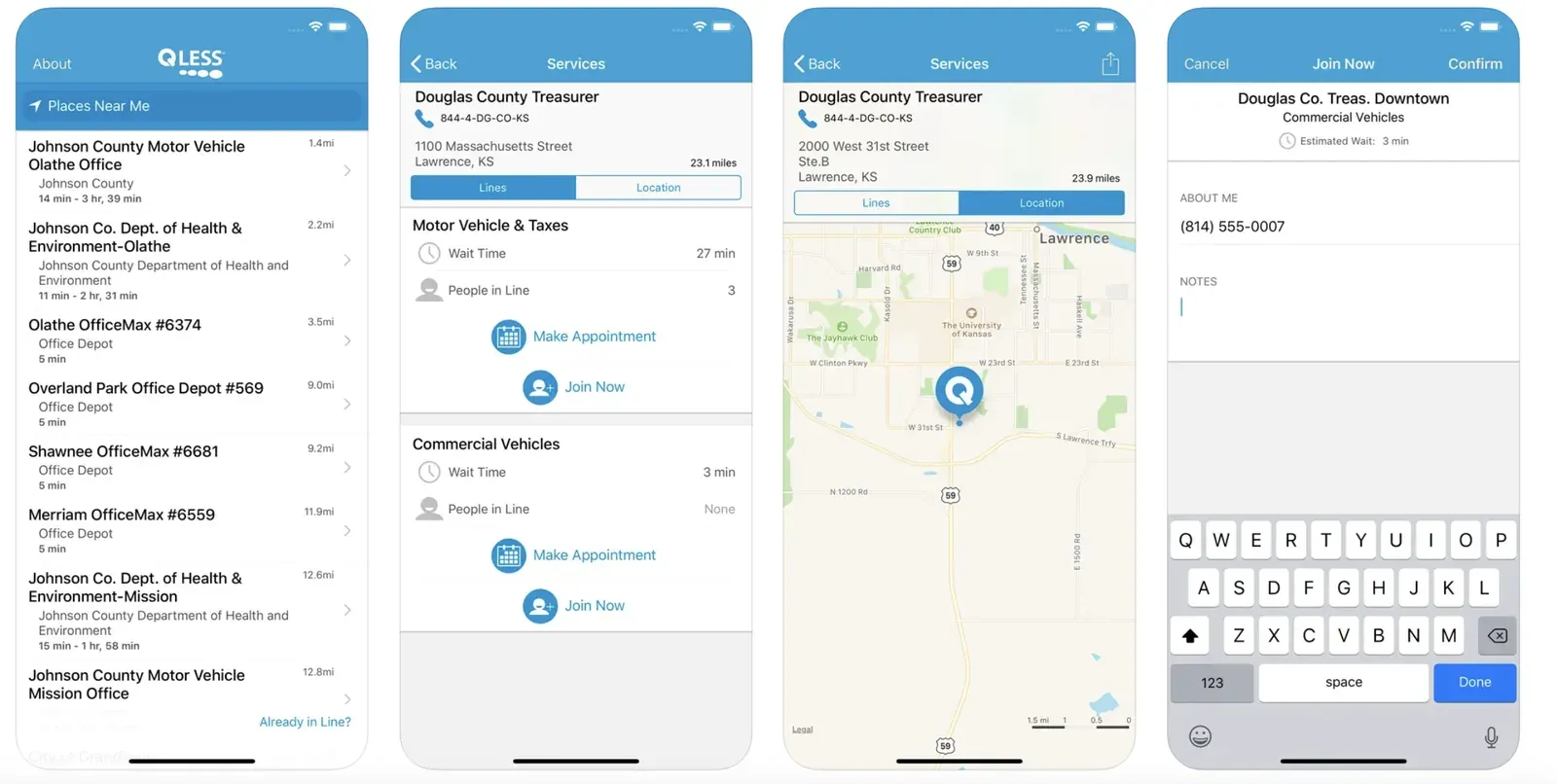
If you run a service counter at a government office or a busy desk on campus, your queue software is not a nice-to-have. It’s how residents renew licenses, how students sort out financial aid, and how your staff get through the day without a crowded, frustrated lobby. So if you are searching for a QLess alternative, your vendor’s long-term stability is probably on your mind.
QLess went through a Chapter 11 reorganization in 2024. It is still operating today, but a restructuring like that raises a fair question on any multi-year contract: will this platform be supported and invested in for the full term? This guide covers what to look for in a replacement, and how NextMe handles government and education queues at any size, from a single office to a statewide DMV.
What is the best QLess alternative for government and schools?
The best QLess alternative depends on your scale and how much you value vendor stability. NextMe runs government and education queues from a single office up to a statewide DMV, using virtual queues, SMS updates, and self check-in with no special hardware. WaitWell and Qminder are other established options for large, complex public-sector operations.
Why government and education teams are reevaluating QLess
QLess has a long track record in the public sector, and it still serves hundreds of agencies and campuses. The reason teams reevaluate it is not product quality. It is continuity.
In 2024, QLess filed for Chapter 11 bankruptcy protection and went through a court-supervised reorganization, emerging later that year. A court formally closed the case in early 2025. These are matters of public record. The company’s history also includes leadership and ownership disputes. None of this means QLess stops working tomorrow. It does mean vendor stability belongs on your checklist, right next to features and price.
That matters more in government and education than almost anywhere else. Procurement cycles are long. Contracts run for years. A mid-contract disruption to a citizen-facing or student-facing service is expensive and very public. So it is fair to ask any provider, QLess included, how stable and committed they are for the length of your agreement.
What to look for in a QLess alternative
When you compare options, weigh five things:
- Vendor stability. Will the company be operating and investing in the product for your full contract term? Ask directly.
- Transparent pricing. Some providers, including QLess, do not publish pricing, so you enter a sales process to get a number. Ask for total cost across the full term, not a monthly headline.
- Ease of setup. Public-sector teams rarely have spare IT capacity. Favor tools your staff can configure quickly.
- Public-service fit. You want clear wait-time communication, self check-in, virtual paperwork, and reporting you can hand to leadership.
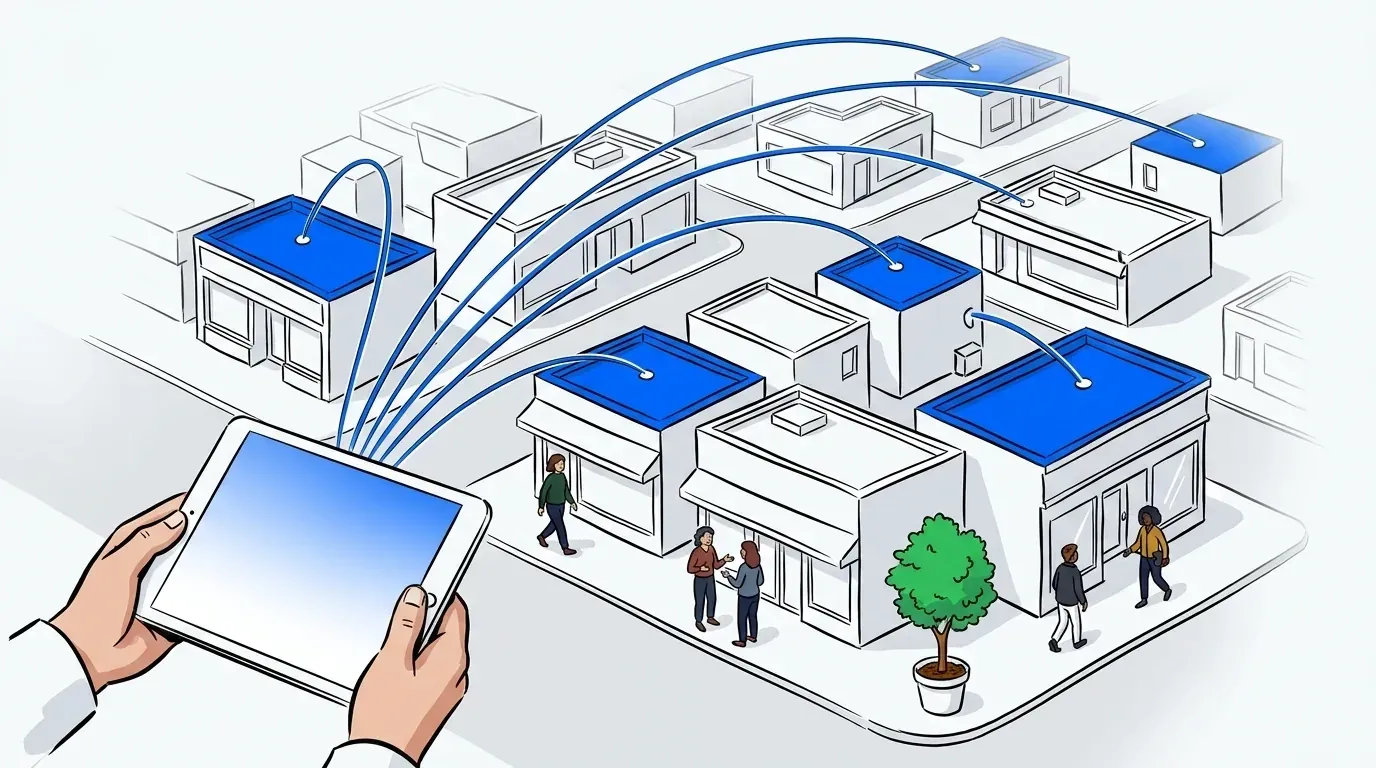
- Proven at your scale. The right platform should handle a single office and a statewide rollout equally well.
For background on how a digital queue works from both the guest and operator side, our explainer on what a queue management system does is a useful primer.
How NextMe works for government and education
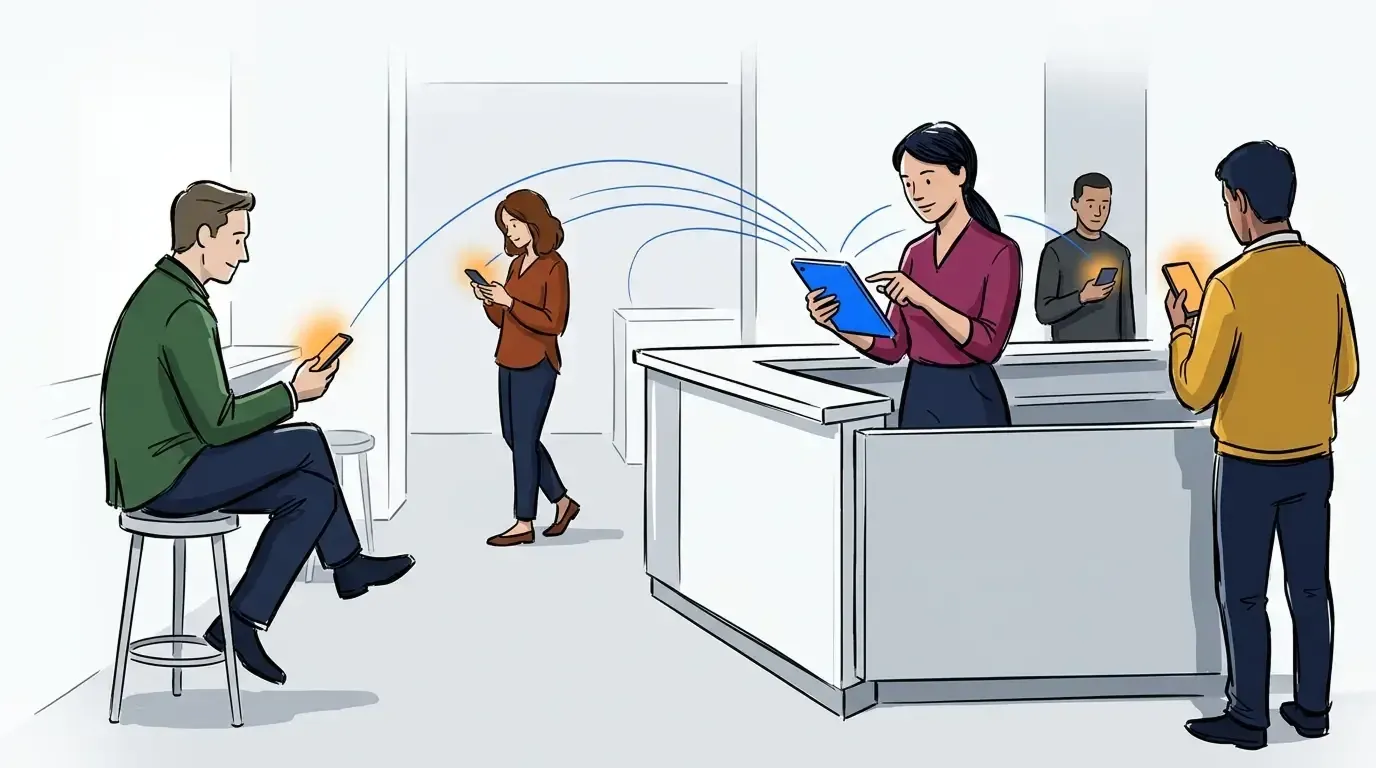
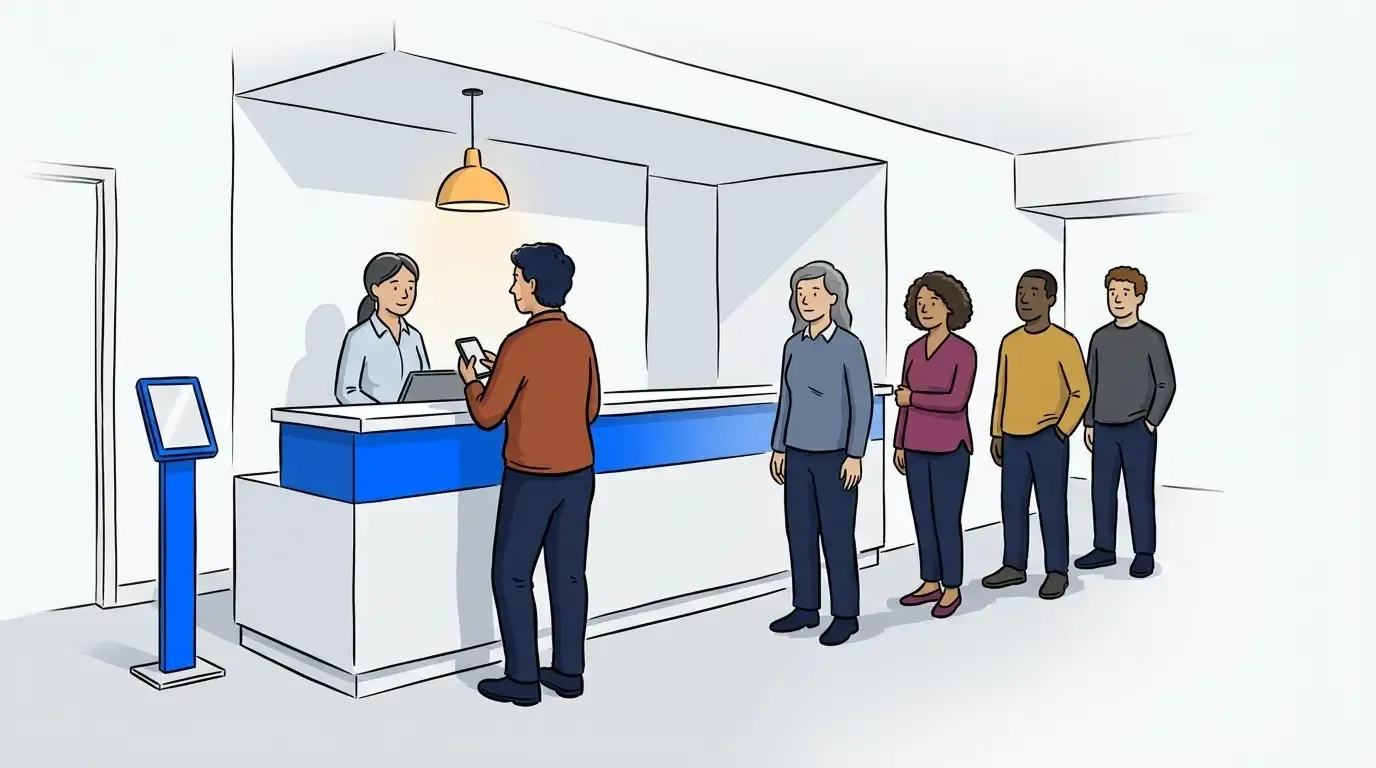
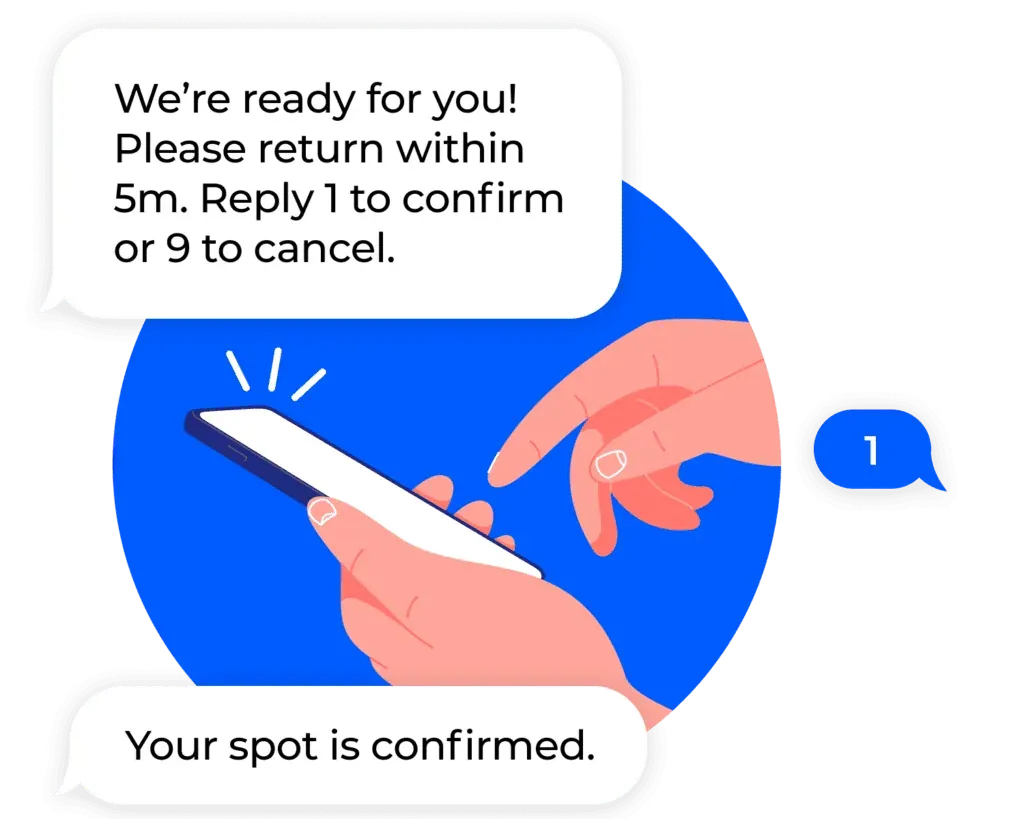
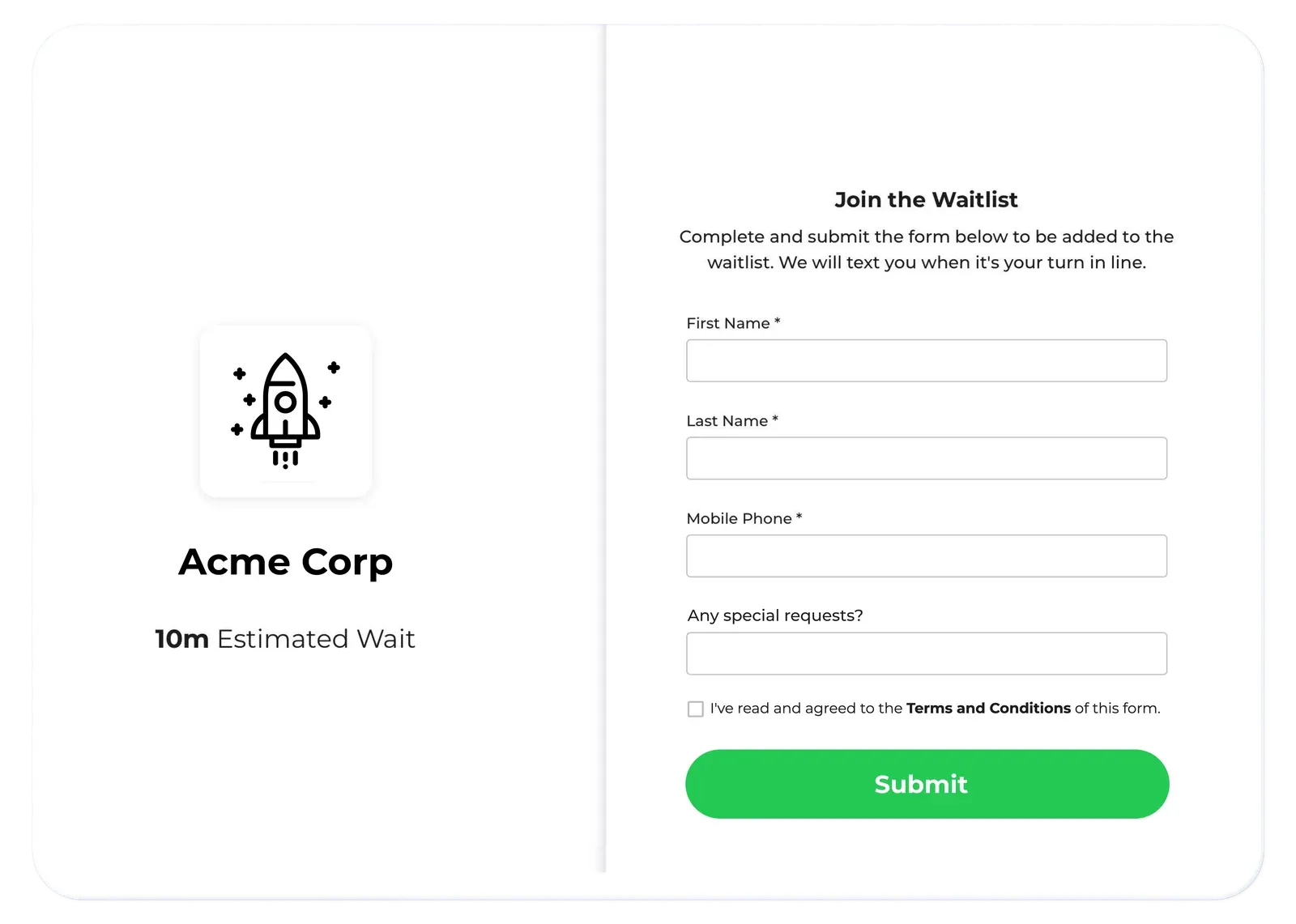
NextMe supports public-sector operations from a single office to a statewide agency. Visitors join the queue from their phone or at a kiosk, then get a text with their place in line. They can sit, step outside, or wait in their car instead of crowding a lobby. When it is nearly their turn, NextMe sends an SMS. For appointments, a two-way text lets them reply 1 to confirm or 9 to cancel. The virtual waiting room gives you a branded screen people see while they wait, where you can post wait times, forms to complete in advance, or service information.
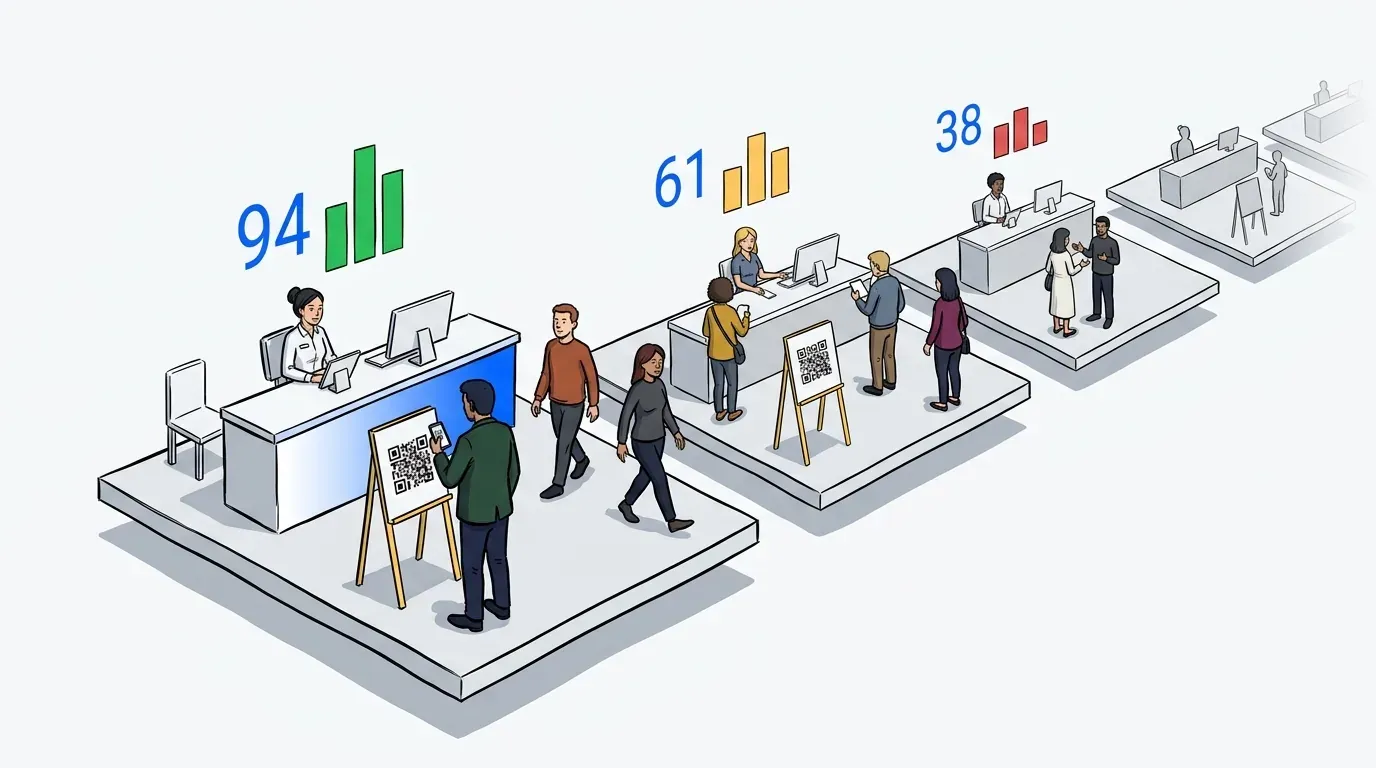
The South Carolina DMV is a clear example. During the pandemic, SCDMV needed a fast, contactless way to manage citizens across its branches. With NextMe, guests checked in at the door or scanned a QR code to join the virtual waitlist, then waited in their cars and completed paperwork while watching their position update in real time. SCDMV cleared out crowded waiting rooms and increased guest throughput by up to 25 percent. You can read the full SCDMV case study for details.
On the back end, real-time analytics show wait times, peak windows, and throughput, so you can staff to demand and report results to leadership. NextMe runs on any device, so there is no specialized hardware to procure. The same flow works across government offices and across colleges and universities, where service desks like advising, financial aid, and the registrar all run on one queue.
Other QLess alternatives worth considering
A good comparison is an honest one. Two other platforms also compete for public-sector and education queues.
WaitWell serves multi-location government and campus operations and publishes per-location pricing openly, which some buyers value during procurement.
Qminder is a polished, enterprise-oriented option with strong reporting for organizations that want that style of platform.
Both are worth a look. The case for NextMe is that it pairs a proven government and education track record with fast setup and a system your team can actually run day to day.
Choosing the right fit
Switching queue vendors comes down to confidence: that the platform will be there, supported and improving, for the length of your contract, and that your team can actually run it. Weigh vendor stability as seriously as features and price.
NextMe brings a proven government and education record, from single offices to statewide agencies, with the kind of fast setup that keeps lines moving from day one. If your office or campus wants a queue system that scales without the overhead, see how NextMe works for government and education teams.