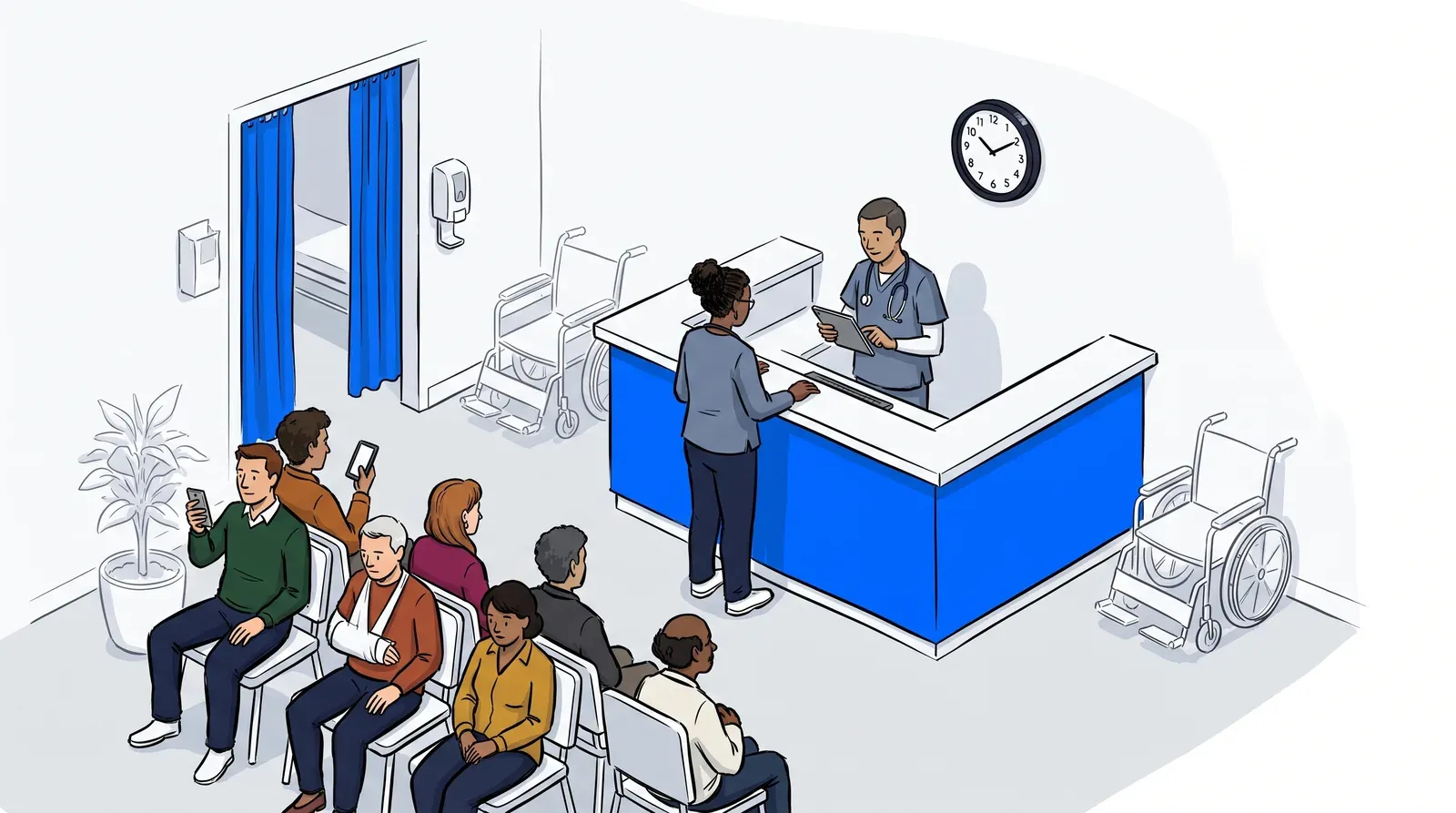
Long waits are one of the most persistent problems in hospital and health system operations. Patients arrive, check in at a desk, and sit in a crowded waiting area with no clear sense of when they will be seen. Staff manage an overloaded queue manually, often without real-time visibility into who has been waiting longest or which cases need to be escalated.
The result is predictable. Patients leave before being seen. Satisfaction scores drop. Staff burn out trying to manage both clinical work and the chaos at the front desk. Hospital operators know the problem well. What is less understood is how modern hospital queue management software changes the dynamic at a structural level, not just at the surface.
This post breaks down what effective hospital queue management looks like, why it matters for patient outcomes and operational metrics, and how clinics and health systems are using digital tools to fix a problem that paper-based and legacy systems cannot solve.
What is hospital queue management?
Hospital queue management is the process of organizing, tracking, and communicating with patients from the moment they arrive until the moment they are seen. At its most basic, it replaces a physical line or paper sign-in sheet with a digital system that captures patient arrivals, assigns positions in the queue, and sends real-time updates to patients about their wait status. More advanced systems add self check-in, triage prioritization, virtual waiting rooms, and analytics that help administrators identify bottlenecks and improve throughput over time.
The goal is not just a shorter wait. It is a managed wait: one where patients know where they stand, staff have visibility across the full queue, and urgent cases can be escalated without disrupting the flow for everyone else.
Why long wait times cost hospitals more than time
The operational cost of poor queue management extends well beyond patient frustration. Wait time is among the top drivers of patient satisfaction scores on the HCAHPS survey, which feeds directly into hospital reimbursement rates under the Hospital Value-Based Purchasing program. Facilities that score below average on patient experience metrics can see meaningful reductions in CMS reimbursement.
Staff burnout is a less-discussed but equally real cost. Front desk teams at busy hospitals and urgent care centers routinely manage a physical waiting area, a check-in queue, ringing phones, and incoming patients simultaneously. Without a system that distributes and automates parts of that load, staff spend a disproportionate share of their time on queue coordination rather than patient-facing care.
Walk-aways compound both problems. When patients leave without being seen, the facility loses the revenue from that visit and the patient often leaves with a negative impression that shapes their future care choices. Research across urgent care and emergency department settings consistently shows that patients who wait more than 20 minutes without a status update are significantly more likely to leave before being seen. This 20-minute threshold is the critical point at which silence becomes a deciding factor. Queue management software directly addresses it by keeping patients informed throughout the wait, whether they are sitting in the lobby or waiting in their car.
How a digital queue management system fixes the core problem
A hospital queue management system replaces the passive waiting experience with an active one. Here is what that looks like in practice.
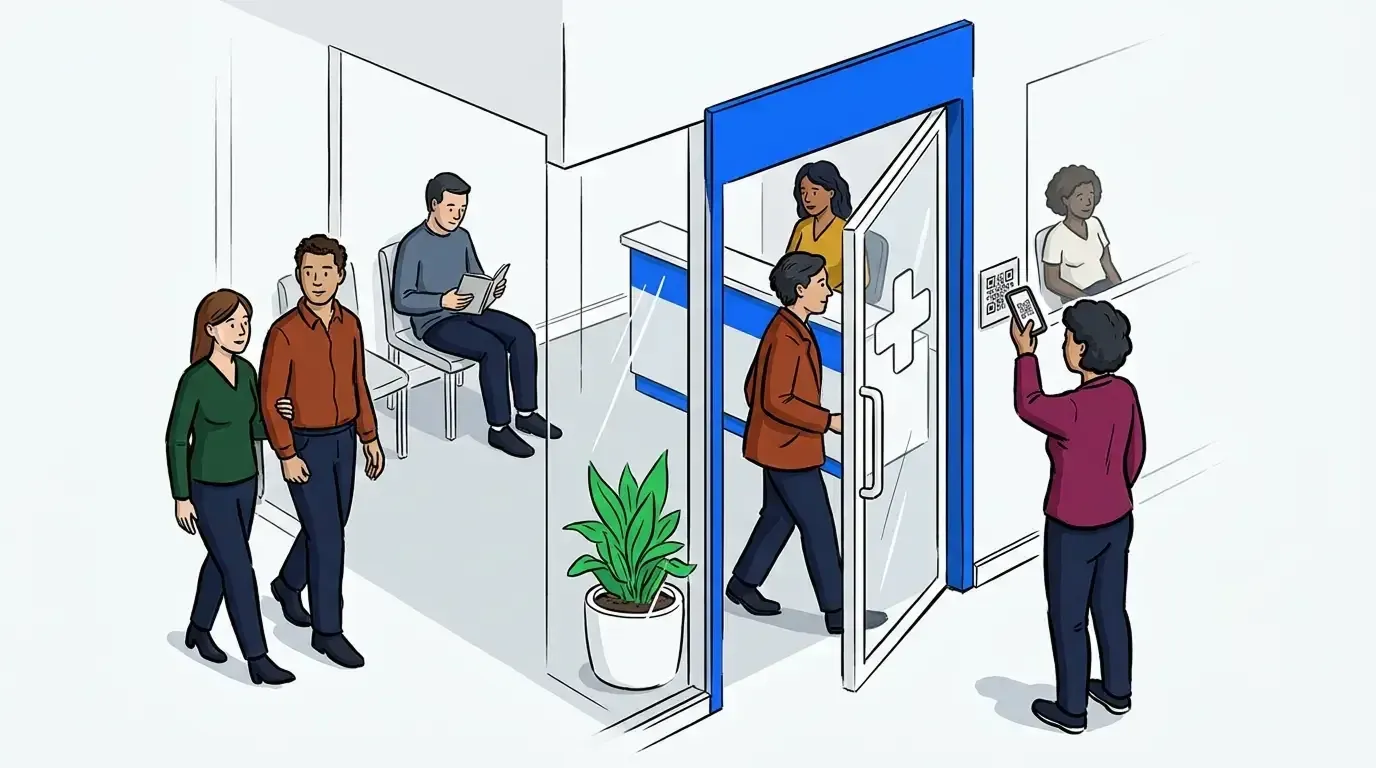
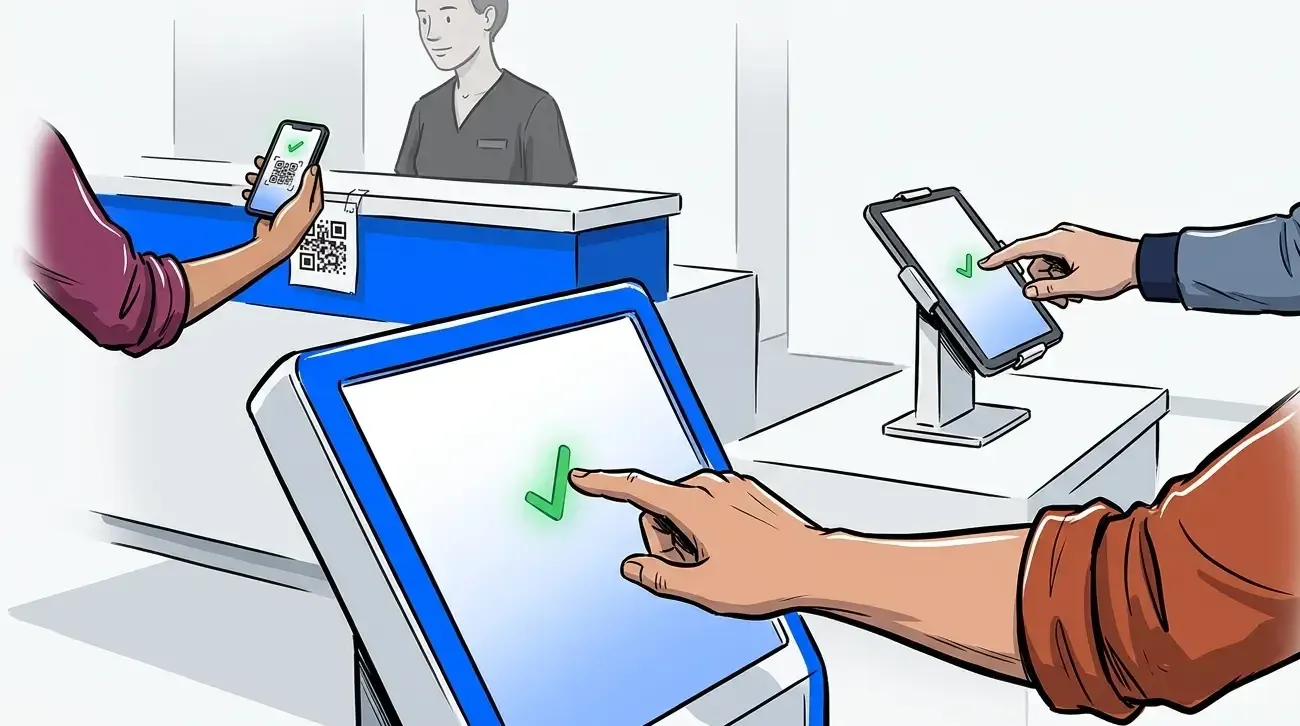
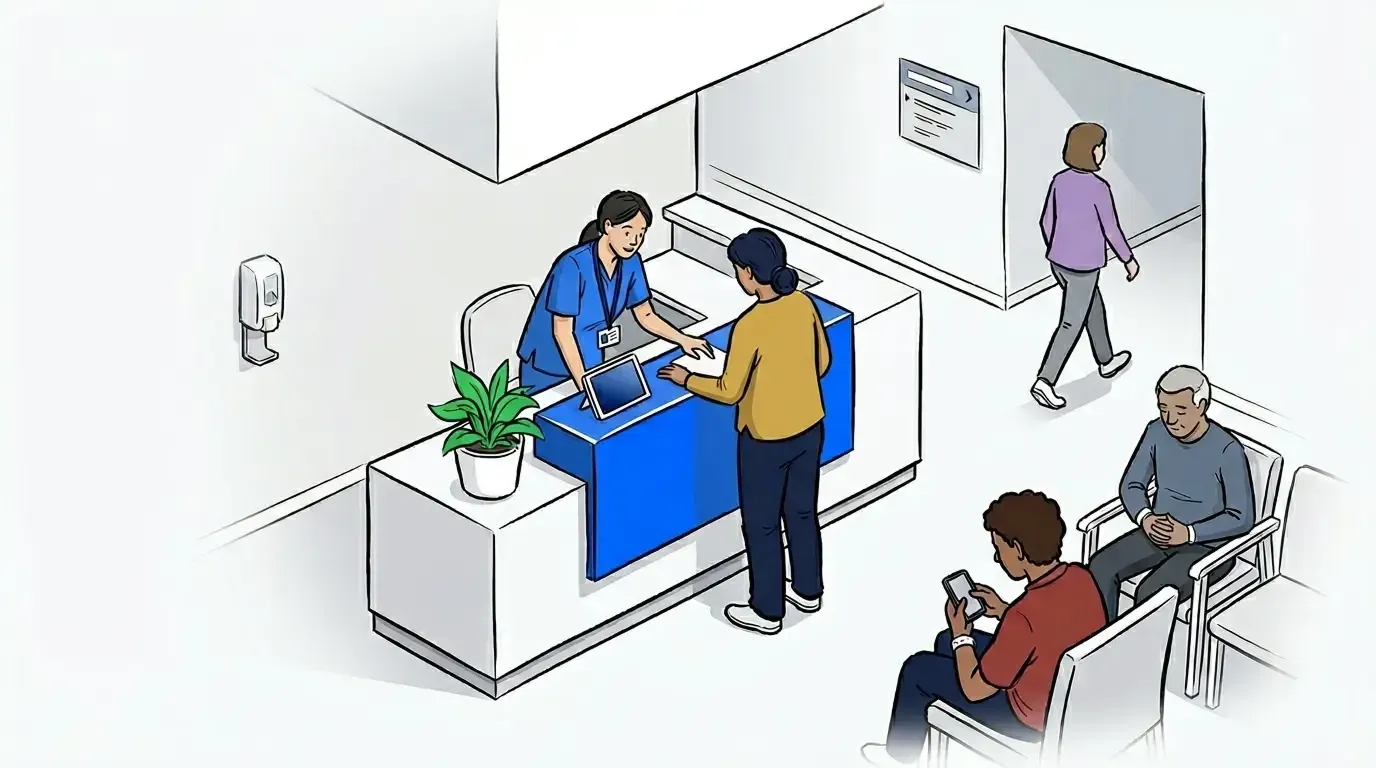
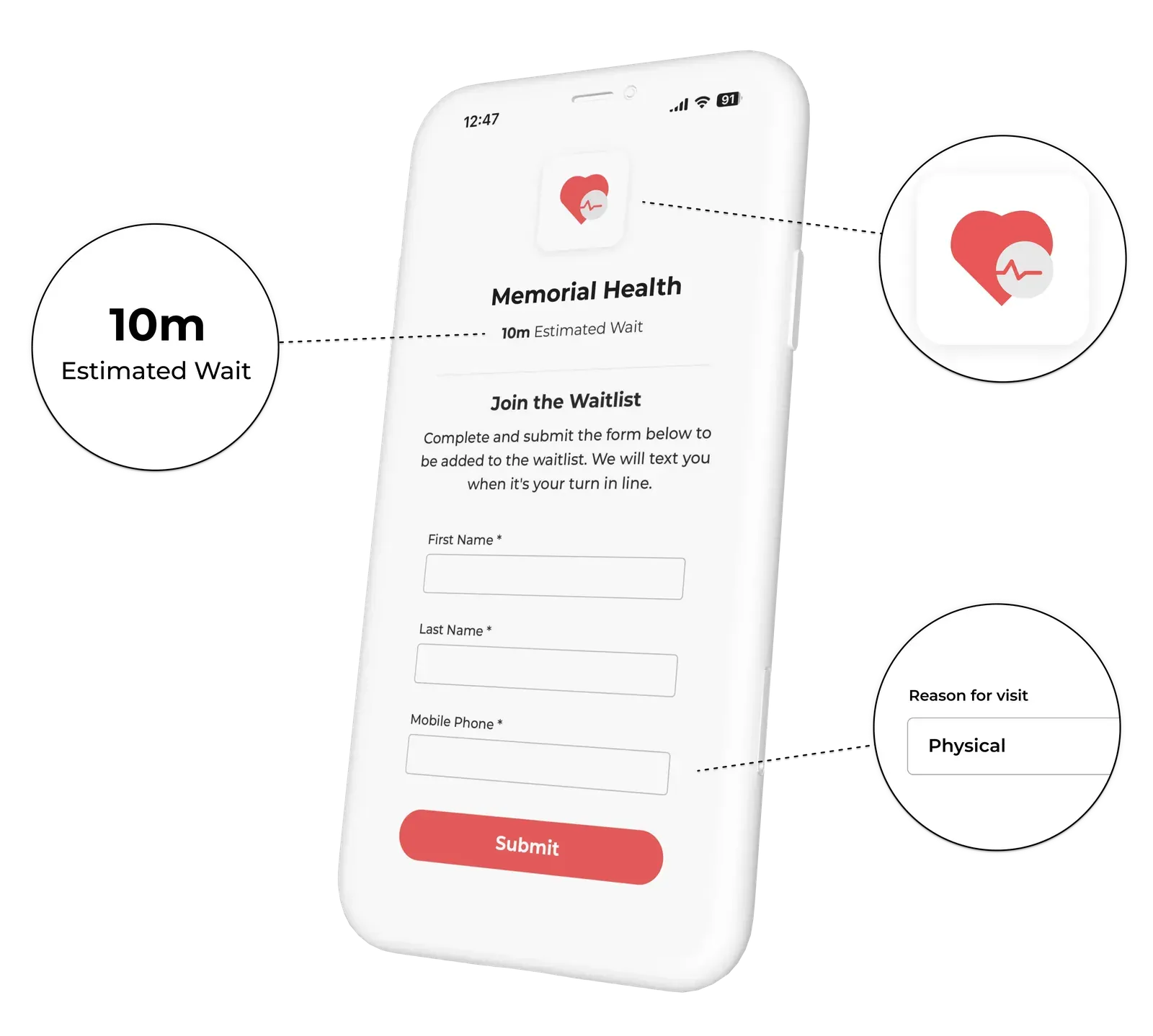
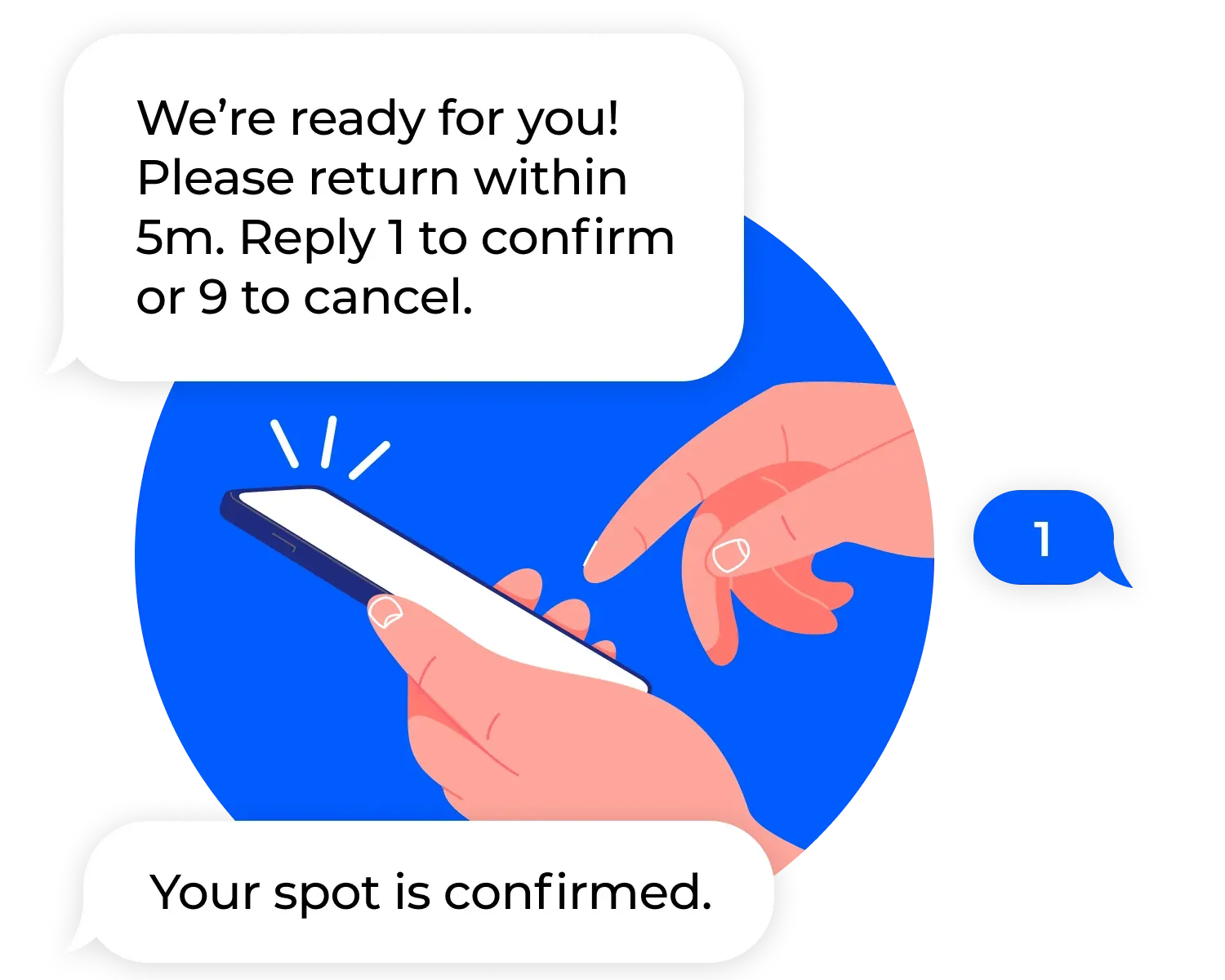
When a patient arrives, they check in digitally: at a kiosk, via QR code, or through a staff-assisted tablet. Their information enters the queue and they receive an SMS confirmation with their position and an estimated wait time. From that point forward, they do not need to stay tethered to the waiting room. They can sit in their car, get a coffee, or wait anywhere nearby. When it is their turn, NextMe sends them an automatic text and they return to the service point.
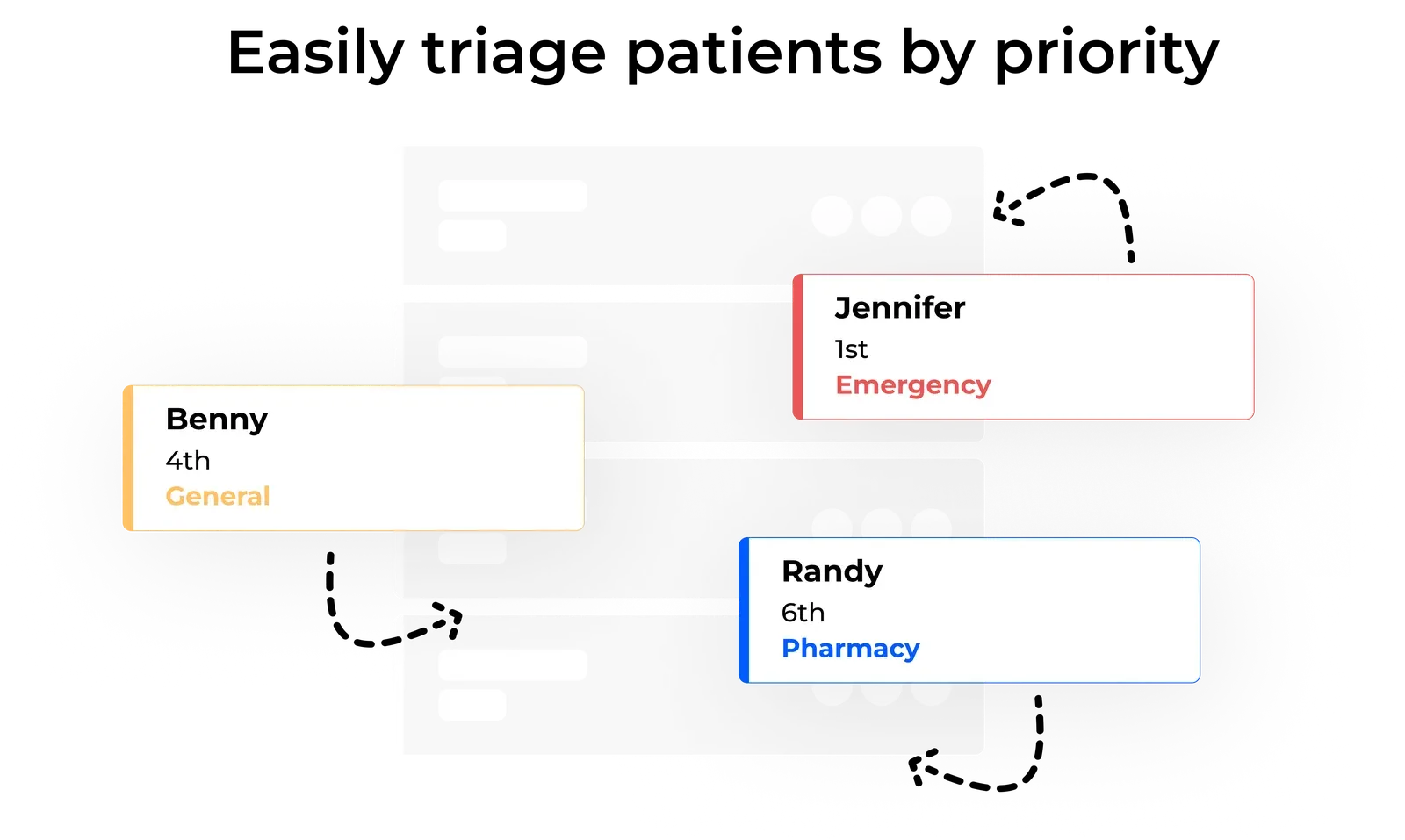
For staff, the operator dashboard shows the full queue in real time: who has been waiting longest, which patients have confirmed they are nearby, and which cases have been flagged as urgent. Triage prioritization allows staff to move urgent cases ahead of the standard queue without manually rearranging a sign-in list or fielding complaints from other patients. The system handles the communication automatically.
For patients who cannot wait in their car or who do not have a smartphone, staff can add them directly from the operator dashboard and manage their position manually. A well-designed queue management system accommodates the full range of patient needs rather than requiring a single digital-first experience.
The connection between queue management and HCAHPS scores
HCAHPS measures patient experience across several domains, including communication, responsiveness, and overall hospital rating. Wait time is not a standalone HCAHPS question, but it shows up as a driver across nearly every domain. Patients who feel their wait is managed well consistently rate staff communication and responsiveness higher, even when the actual wait time is similar to facilities that scored lower.
This means queue management software is not just an operational tool. It is a patient experience tool with a direct line to the metrics that affect reimbursement. Facilities that implement a digital queue management system typically see improvements in the communication and responsiveness domains within the first quarter of deployment, because patients receive proactive updates rather than sitting in silence.
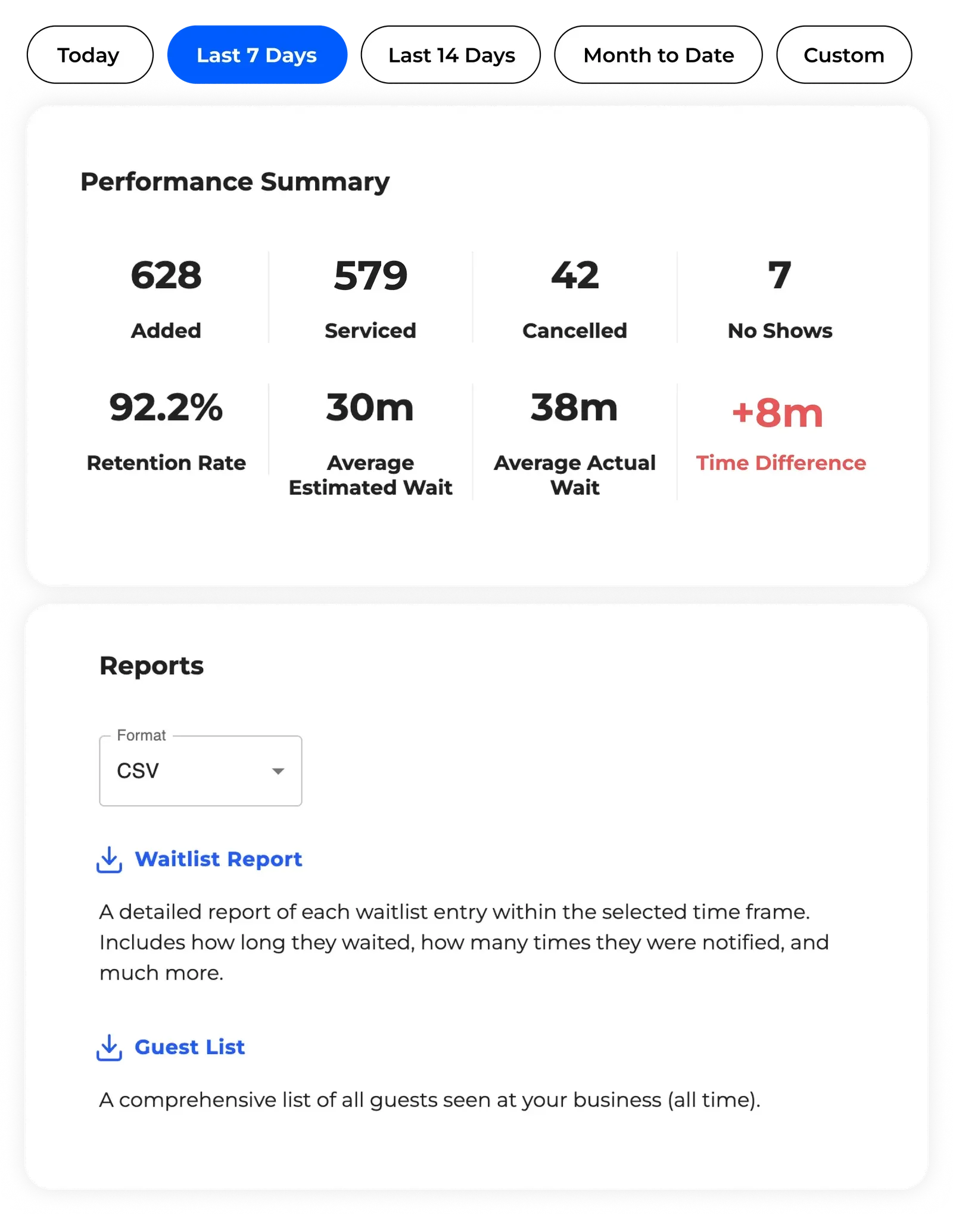
NextMe’s analytics dashboard gives administrators a continuous view of queue performance: average wait times by day and hour, peak volume periods, and walk-away rates. Over time, this data becomes the foundation for staffing decisions, scheduling changes, and operational improvements that reduce wait times at a structural level rather than managing them after the fact.
What to look for in a hospital queue management system
Not all queue management software is built for healthcare environments. Hospital and clinic operators should evaluate any system against the following criteria before committing.
SMS-based patient communication. Patients should receive automatic texts at check-in and when it is their turn. Systems that rely on app downloads or on-site displays create friction for older patients and those unfamiliar with the technology.
Self check-in options. A self check-in flow reduces front desk load at peak hours and gives patients a clear, consistent arrival experience. Look for both kiosk and QR-code options to cover different facility layouts.
Triage and priority queue support. Urgent cases need to move ahead of the standard queue. The system should make this straightforward for staff without requiring them to manually notify other waiting patients.
Analytics and reporting. Wait time data is only useful if it is actionable. Look for a system that tracks average wait times, walk-away rates, and volume by time period, and that makes this data available to administrators without a separate reporting tool.
Designed with healthcare privacy in mind. Patient data handling should align with healthcare privacy standards. Evaluate how the system stores patient information and what controls are available for data retention and access.
For a deeper look at how these features apply to smaller urgent care settings, see our guide on virtual waiting rooms for urgent care patient flow and our breakdown of the best waitlist apps for walk-in clinics.
Conclusion
Hospital queue management is not a minor operational upgrade. It changes the patient experience from the moment someone walks in the door, reduces the manual burden on front desk staff, and creates a feedback loop of data that improves operations over time. The facilities winning on patient satisfaction scores are not necessarily the ones with the fastest care: they are the ones where patients feel informed and in control of their wait.
NextMe is designed for exactly this environment. From contactless self check-in to real-time SMS updates and analytics that reveal where bottlenecks actually form, it gives healthcare operators the tools to manage patient flow without adding complexity for staff or patients. Learn more about NextMe for healthcare..