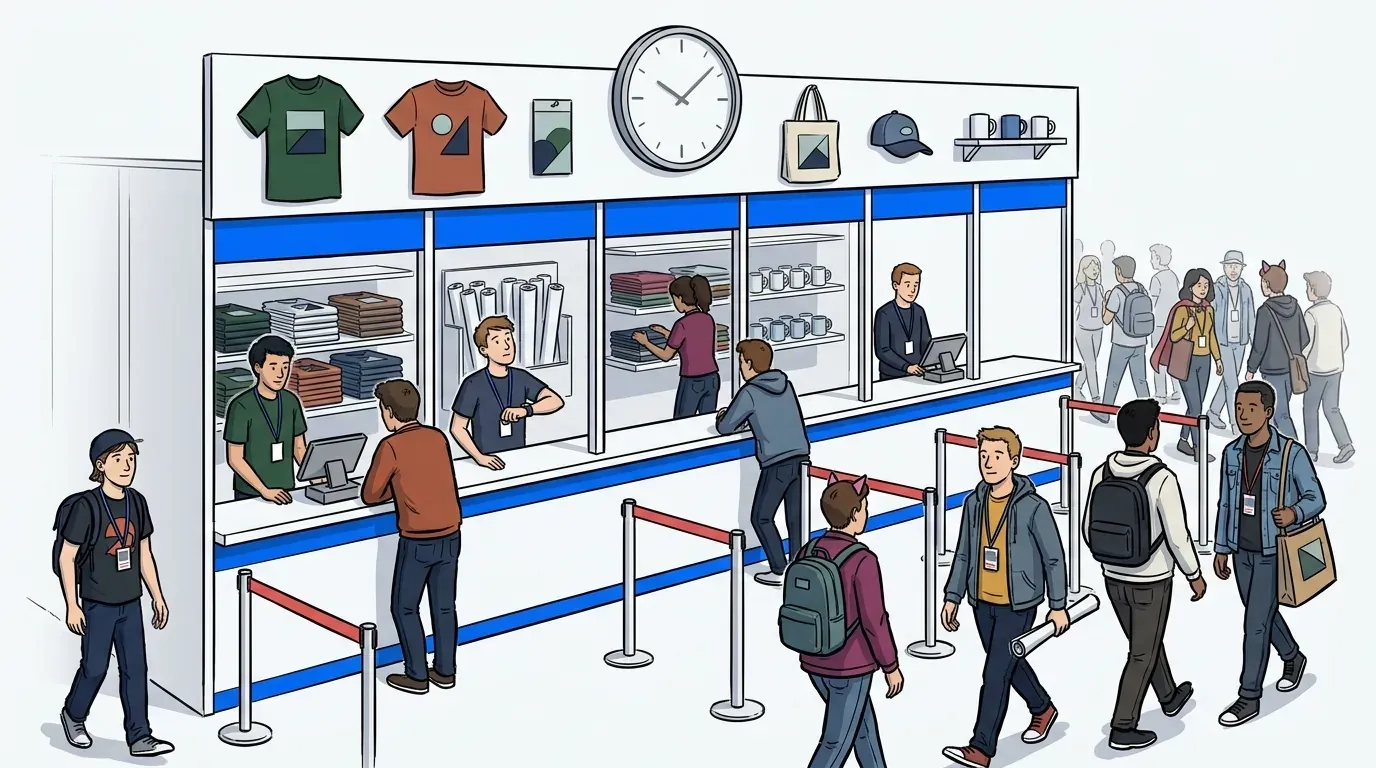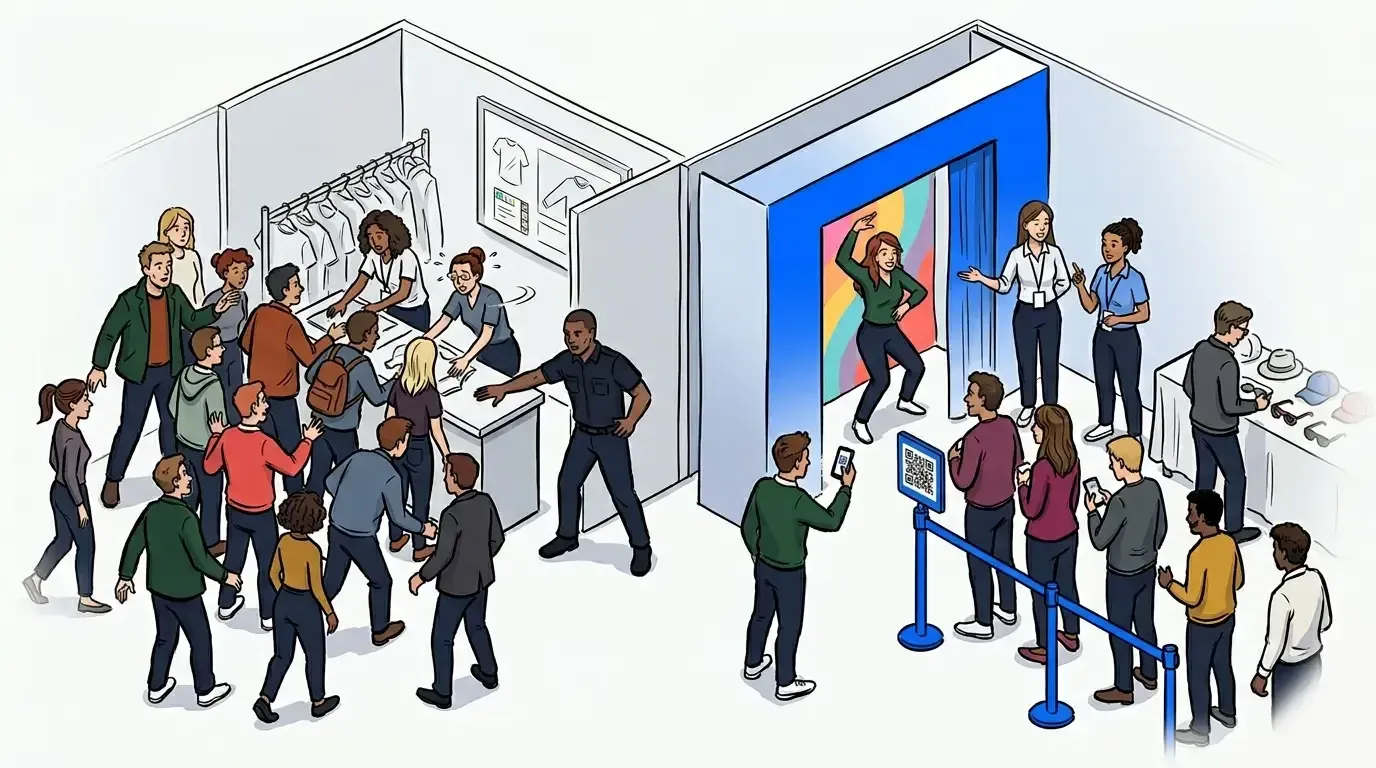
Event operators know the feeling. You have done everything right. The venue looks great, the activation is on-brand, and the crowd is there. Then a line forms, nobody knows how long the wait is, and guests start walking away before they ever reach the front.
That breakdown is a queue management problem. And it costs events far more than just lost entries - it costs sponsor impressions, brand reputation, and repeat attendance.
This guide explains what event queue management is, why it matters more than most operators realize, and how modern virtual queue systems have changed the way leading events handle crowds.
What is event queue management?
Event queue management is the system an event uses to control how guests join, wait in, and move through lines at activations, sessions, booths, or entry points. At its core, it answers one question for every guest: what do I need to do right now, and when will it be my turn?
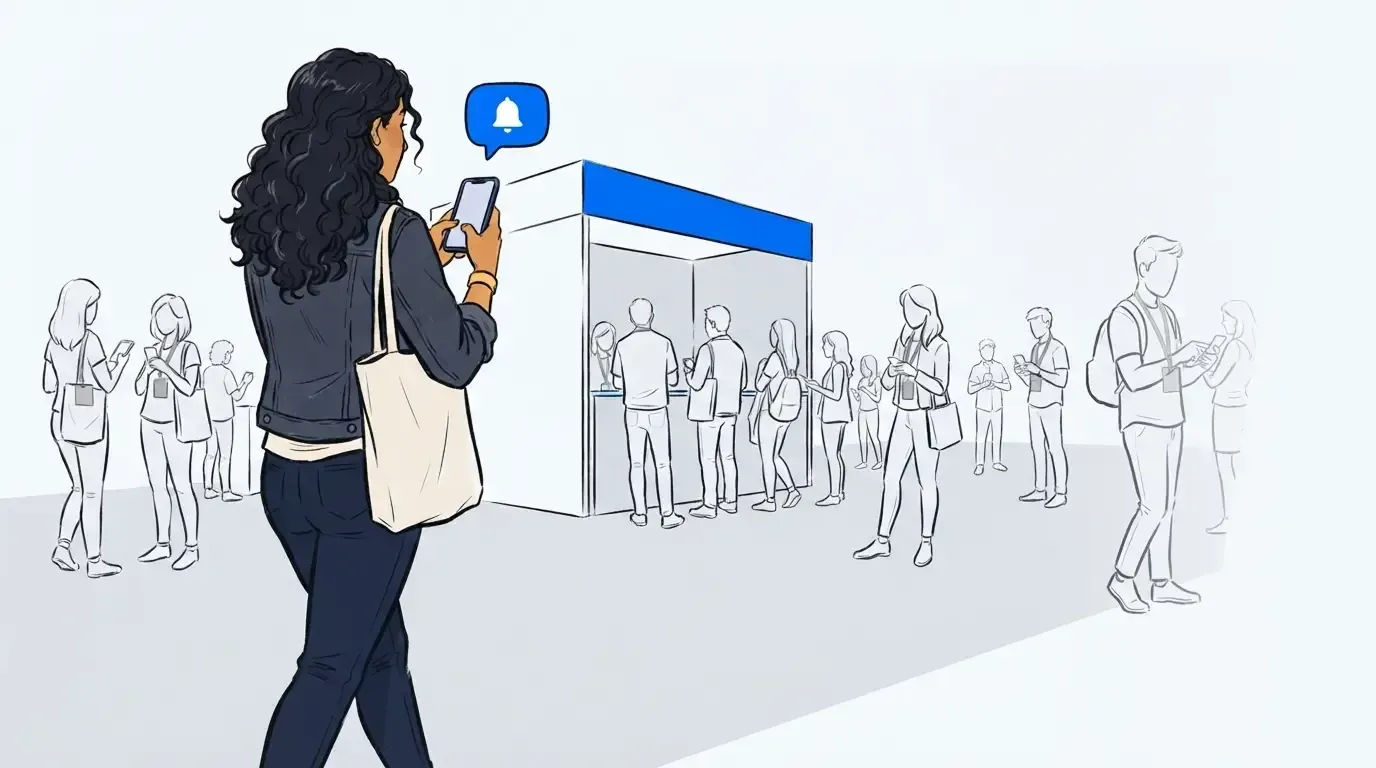
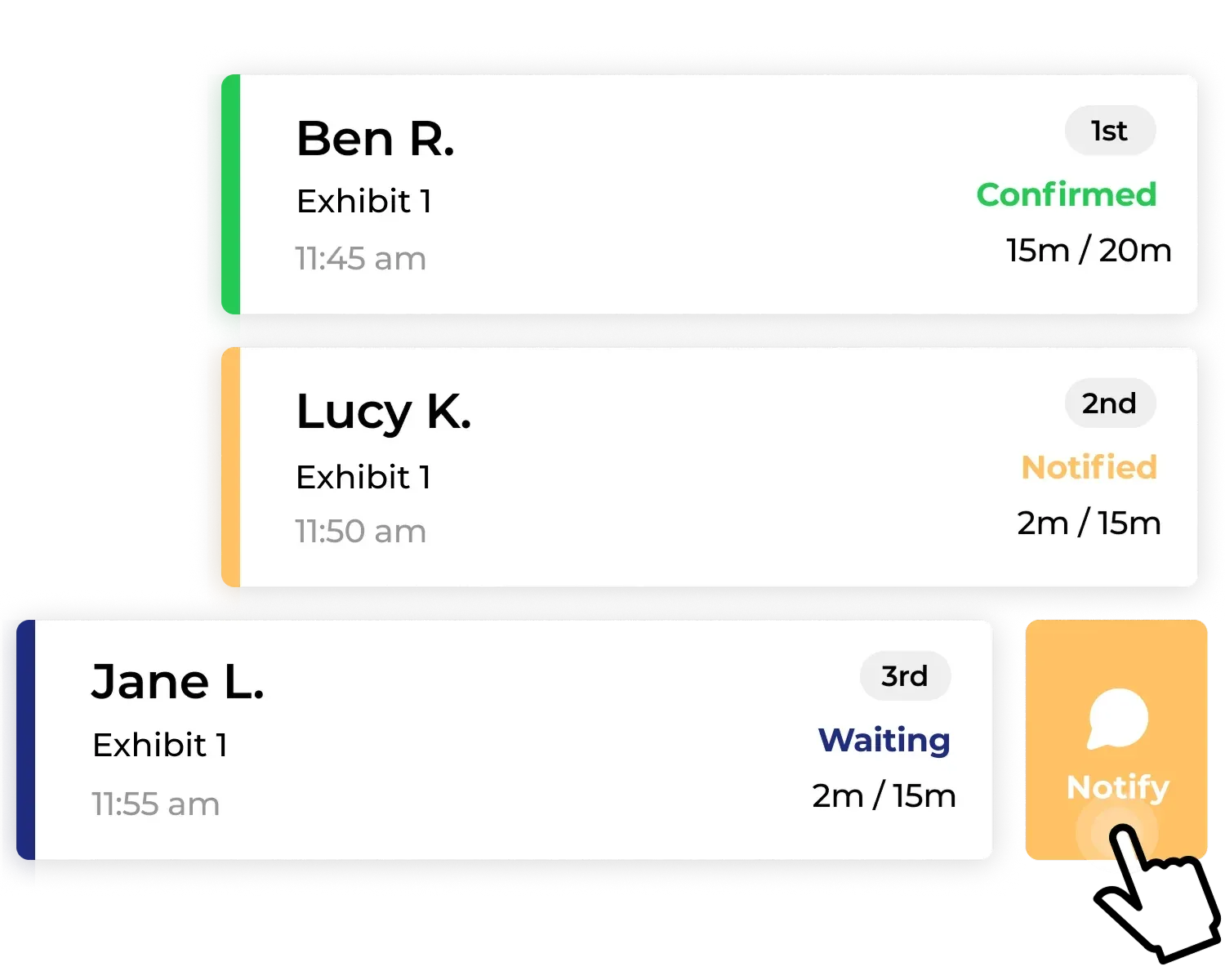
A well-run queue management system replaces physical lines with digital waitlists, sends SMS notifications when guests are called forward, and gives operators real-time visibility into wait times and throughput. It turns a chaotic crowd into an organized flow.
The goal is not just shorter lines. The goal is a line experience guests do not resent.
Why queue management matters at events
Most event operators think about queue management as a crowd control problem. It is actually a certainty problem.
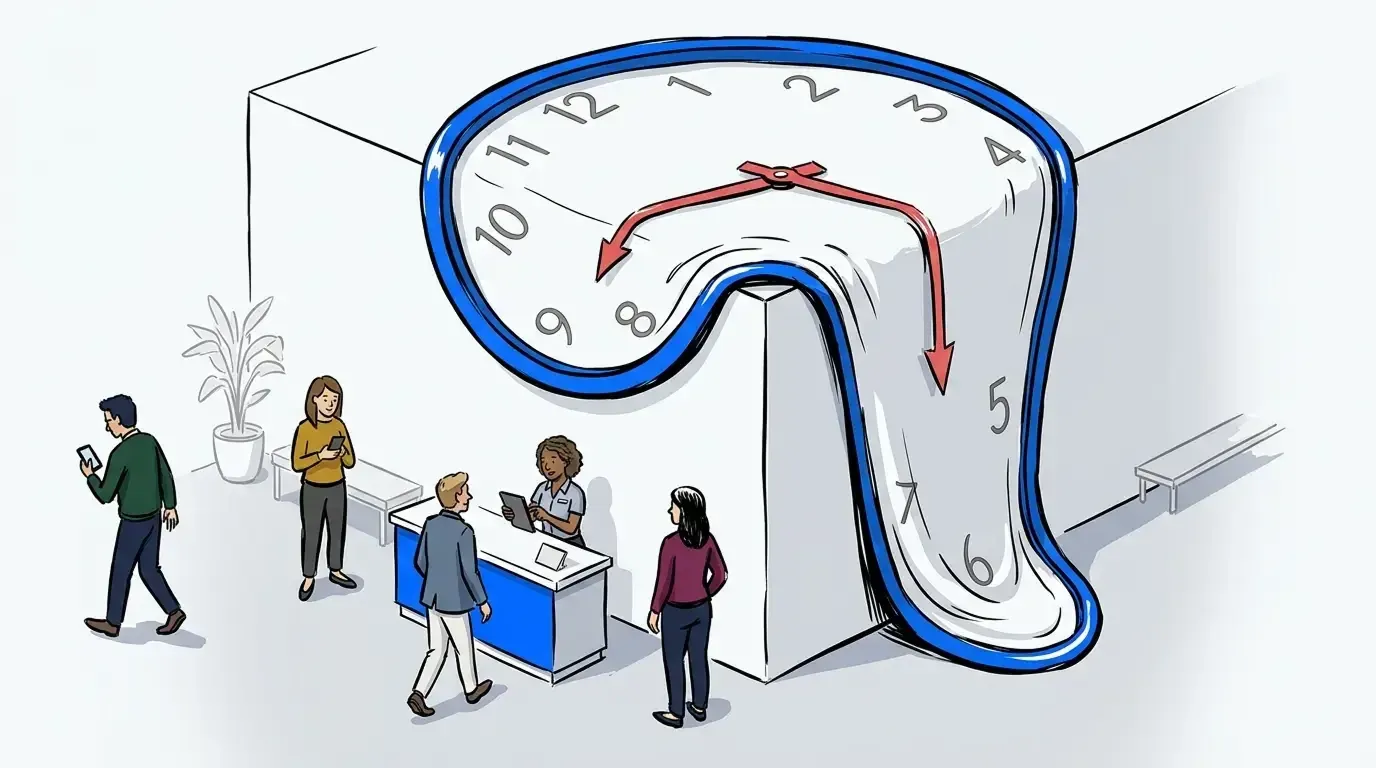
Guests do not walk away because the wait is long. They walk away because they do not know how long it will be. That uncertainty - arriving, joining a line, and having no signal about when you will be served - is what triggers the decision to leave. Operators who solve for certainty solve for walkaway behavior.
There is also a revenue dimension. Every guest who walks away from a brand activation is an impression the sponsor paid for and did not receive. According to EventTrack 2026, 84% of consumer marketers plan to increase event spending this year - which means the activations guests encounter are better funded, higher-stakes, and less forgiving of a bad queue experience.
The core concept here is the queue clarity gap: the distance between when a guest joins a line and when they understand what happens next. Closing that gap is what event queue management is designed to do.
The other challenge is timing. Most event operators don’t think about queue management until a line forms and guests are already leaving. By then, the damage is done. NextMe gives operators a solution they can deploy before doors open - not a crisis response, but a system that is ready the moment the first guest arrives.
How virtual queue systems work at events
A virtual queue system replaces the physical line with a digital one. Here is how the flow typically works at an event activation or session entry point:
- The guest arrives at the activation and scans a QR code or checks in at a self-service kiosk.
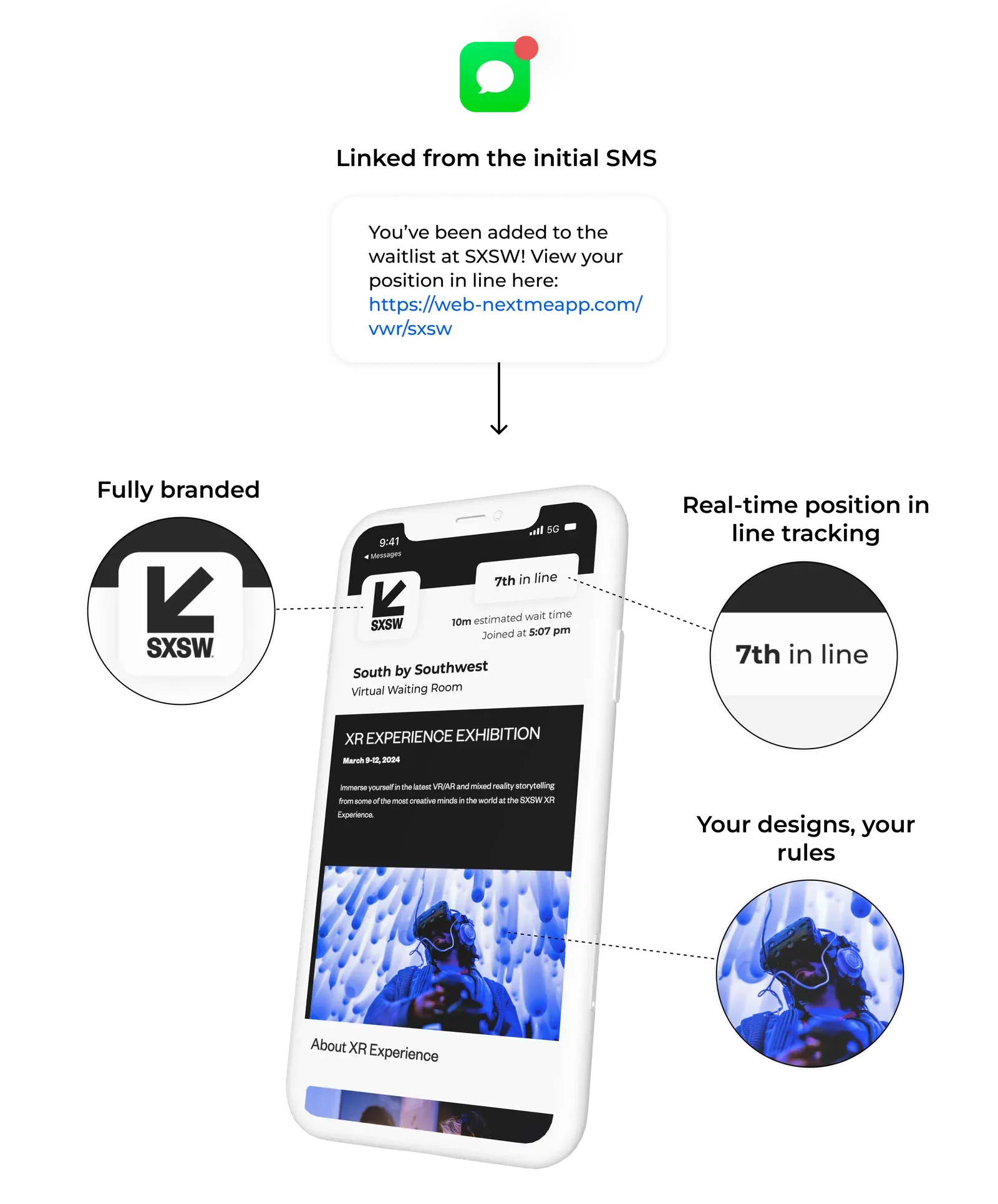
- They receive an SMS confirmation with their place in the queue and an estimated wait time.
- They are free to move around, explore the venue, or engage with the virtual waiting room while they wait.
- When it is their turn, they receive an SMS notification to return to the activation.
- The operator marks them as served and the next guest is called forward.
NextMe’s virtual waiting room, the digital experience guests see while they wait, is where the opportunity expands beyond crowd control. The VWR is designed for maximum engagement during the wait - not a static holding screen, but an active brand surface. Leading event operators use that screen time to display sponsor content, run polls and quizzes, showcase product carousels, and capture zero-party data before the guest arrives at the booth. Guests can answer questions about their preferences, browse featured products, enter giveaways, and interact with branded content - all while the queue moves. By the time they reach the front, the operator already knows who they are and what they care about.
For a detailed breakdown of how this works across event types, see The Complete Guide to Event Queue Management.
What good event queue management looks like in practice
At a recent F1 Arcade activation, high guest volume and premium brand expectations meant that unmanaged lines were not an option. A virtual queue system gave guests the freedom to explore the venue while they waited, reduced crowding at the entry point, and gave the operations team real-time throughput data to adjust staffing on the fly.
The result was not just a tidier crowd. It was a better guest experience across the entire venue, because guests who were not standing in a line were spending money and engaging with other activations.
That pattern holds across event types. When guests are freed from a physical line, they do not stand still. They explore, engage, and spend. Queue management is not just an ops tool - it is an experience design tool.
What to look for in event queue management software
Not all queue management tools are built for event environments. Restaurant-focused tools often lack the high-volume throughput, QR-based self check-in, and sponsor content capabilities that events require. When evaluating options, operators should look for:
- SMS-based notifications - no app download required for guests; SMS is the lowest-friction communication channel at events
- Virtual waiting room capabilities - the ability to serve branded content, sponsor placements, polls, and product offers during the wait
- Self check-in via QR code - reduces staff overhead at activation entry points and scales without adding headcount
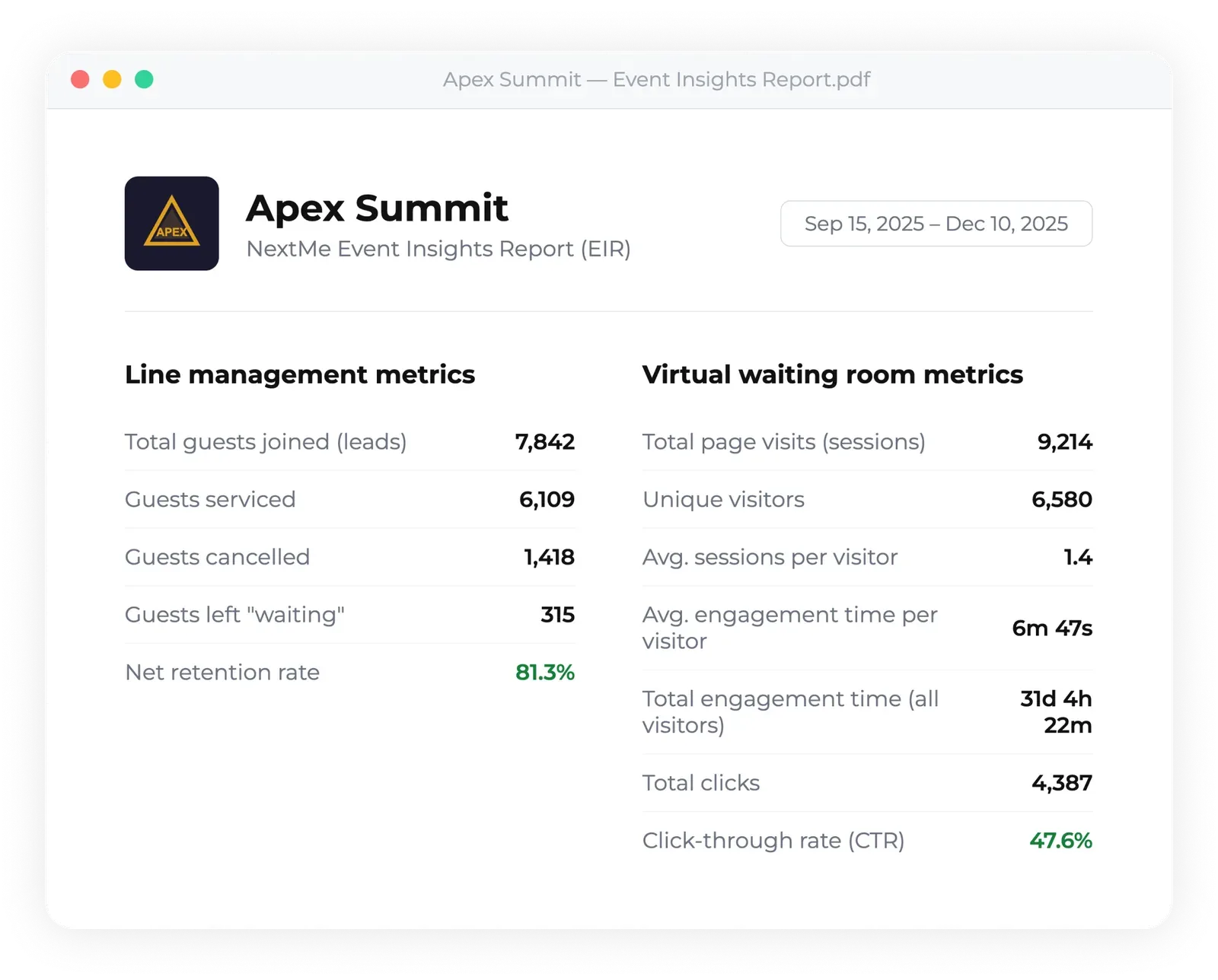
- Real-time analytics - live wait times, queue depth, and throughput data operators can act on during the event, not just after
- Post-event reporting - an event insights report that proves guest flow, wait time performance, and engagement data to sponsors
NextMe’s virtual waiting room was built specifically for high-traffic activations. It handles the throughput demands of large events while giving operators and sponsors a platform for guest engagement that starts the moment someone joins the line.
The line is part of the experience
Event queue management is not a back-of-house operational detail. It is a guest-facing experience that starts the moment someone joins your line and ends when they walk away from the activation.
Operators who treat the queue as part of the experience design - not an obstacle to minimize - see better guest satisfaction, higher sponsor engagement, and cleaner throughput data to build on for future events.
NextMe’s event queue management platform gives operators the tools to manage that experience from check-in to close-out.