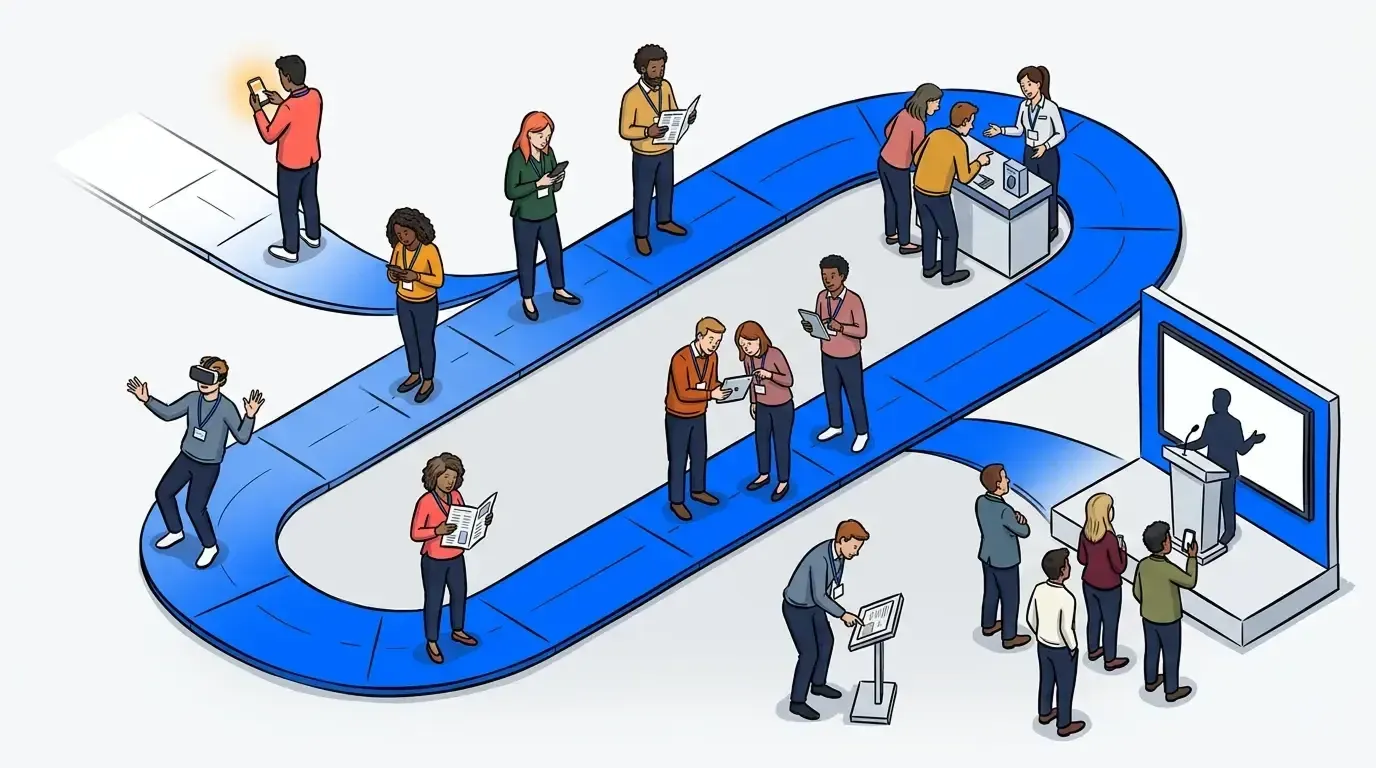
Every conference organizer knows the feeling. Registration opens, the first wave of attendees arrives, and within minutes the lobby looks like a boarding gate for a delayed international flight. Staff scramble, attendees check their phones, and the experience is off to a poor start before a single session has begun.
Managing crowd flow at a large conference is not a single problem. It is three overlapping ones: getting people checked in, moving them between sessions, and keeping the expo floor from bottlenecking at the most popular booths. Each moment creates its own surge. Each surge, handled poorly, bleeds into the next.
With summer conference season approaching and a packed calendar of large-scale events ahead, this is the moment for event teams to get this right. This guide covers conference queue management: what it is, where it breaks down, and how event teams are using queue management software to keep attendees moving and staff in control.
What conference queue management actually means
Conference queue management is the practice of organizing and controlling attendee movement through the distinct queue moments that occur at large conferences: registration and badge pickup, session room entry, and expo floor activations. A conference queue management system replaces physical holding lines with a digital flow that lets attendees wait anywhere: on their phones, on the floor, at the coffee station, while staying connected to their place in the queue.
Unlike a general event queue, conference queue management addresses a specific challenge: attendees move between multiple sessions and activations over a multi-day event, creating repeated surge moments rather than a single peak at arrival. The goal is not to eliminate lines. It is to control them so they never reach a point where the experience degrades.
Where queues form at conferences
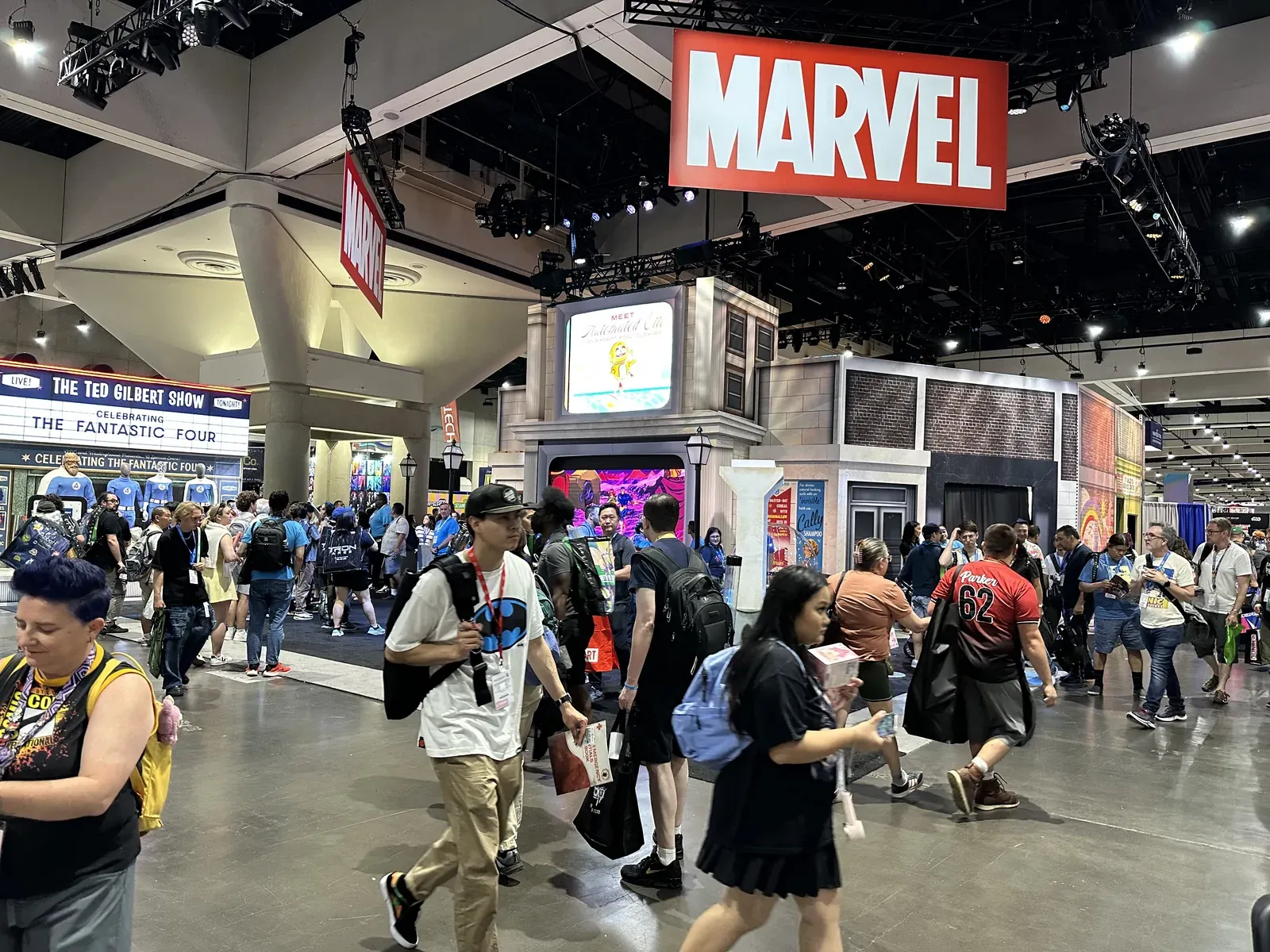
To manage conference queues well, you need to know exactly where they form. Most large conferences generate three distinct pressure points.
Registration and badge pickup
This is the highest-stakes queue of the event. It happens at the beginning, before attendees have had a single positive experience and the physical reality (hundreds of people in a lobby with luggage) is hard to manage with staff alone.
The problem compounds because arrival time is unpredictable. Travel delays, shuttle schedules, and early arrivals all create uneven waves of demand against a fixed staffing level.
Session room entry
Every time a keynote or popular breakout session is about to start, a queue forms outside the door. Attendees arrive early to get good seats. Room capacity is limited. Staff have to manage the line, hold latecomers, and handle the transition between sessions - all while the next block of attendees is already waiting in the hallway.
This is the queue that creates friction between sessions. Attendees who cannot get into their preferred talk leave frustrated. Staff get caught managing hallway overflow instead of supporting the event.
Expo floor activations
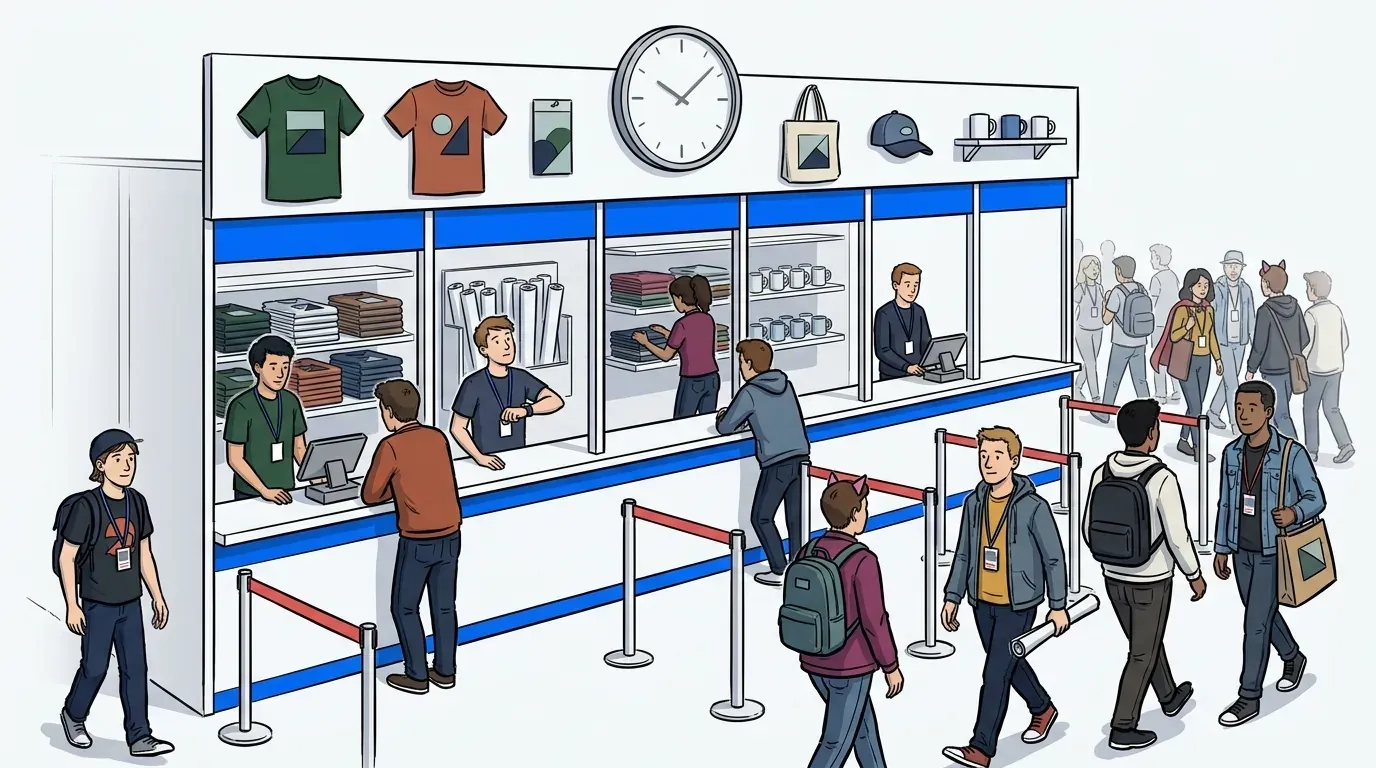
Brand activations and sponsored booths generate the most unpredictable queues at conferences. A popular demo, a free item, or a notable guest appearance can create a line that extends into the aisle and blocks adjacent booths. This is a problem for the exhibitor, for neighboring brands, and for the overall flow of the expo floor.
Sponsors expect meaningful engagement. When a line gets unmanageable or deters attendees from joining, activation ROI suffers.
The cost of a queue that gets out of hand
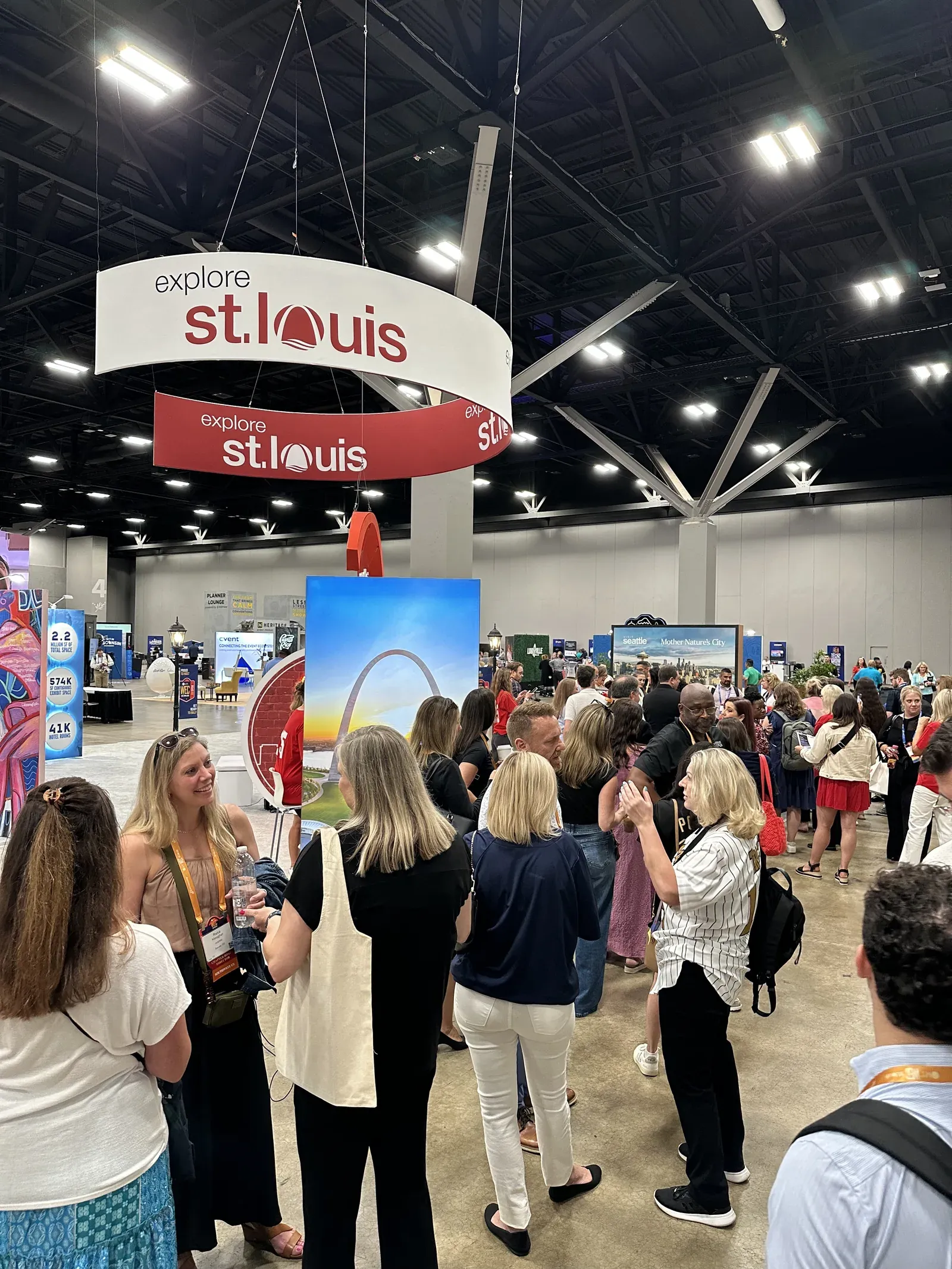
An unmanaged queue at a conference does more than slow people down. It creates visible chaos that undermines confidence in the event, frustrates attendees, and costs sponsors the engagement they paid for.
According to Freeman’s End-of-Year Trends Recap, experience is the primary driver of attendee retention, and 85% of attendees who experience a peak moment at an event are more likely to return. A chaotic queue at registration or on the expo floor is the fastest way to prevent that peak moment from happening at all.
The cost is not just experiential. It is reputational and commercial. For a sponsored conference, lost activation engagement directly reduces the value delivered to brand partners - making conference queue management a revenue issue as much as an ops one. And in an era where social media amplifies negative experiences in real time, a photo of a chaotic check-in line can circulate before lunch on day one.
The conference queue cascade: why solving one queue is not enough
Here is a pattern that most conference ops teams recognize but rarely address directly.
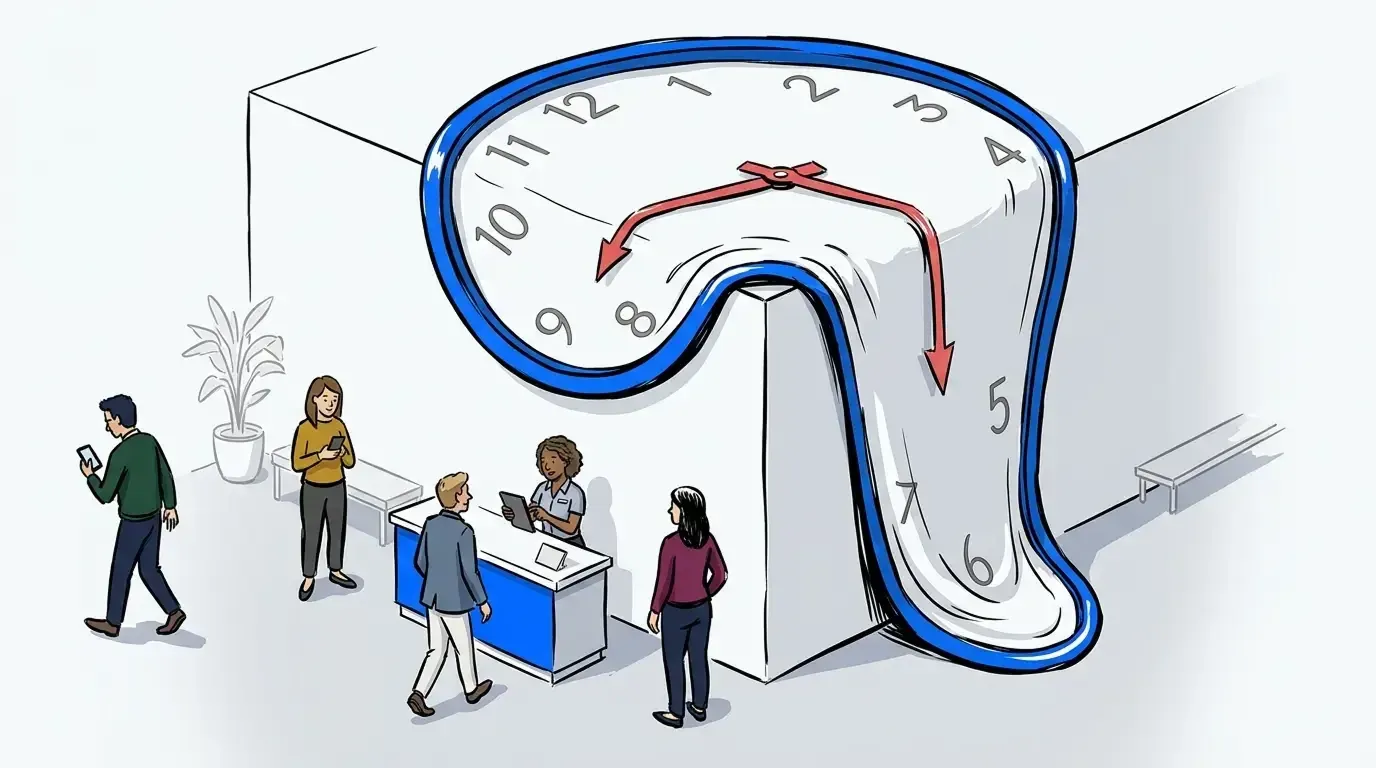
When registration runs long, attendees arrive late to the opening keynote. Late arrivals create congestion at the session room door. That congestion delays the start, which compresses the gap between sessions. A compressed gap means the next session queue forms before the previous one has fully cleared - and so on through the day.
This is the conference queue cascade. Each queue moment is a consequence of the previous one. Solving only the registration queue leaves the cascade intact. Solving only the session queue ignores the root cause.
Effective conference queue management treats the three queue moments as a connected system. A queue management platform that handles registration check-in, session entry, and expo floor activations in the same interface gives event teams real-time visibility across all three pressure points, not just one. For a broader introduction to how event teams are using queue management software today, the complete guide to event queue management covers the fundamentals in detail.
How a conference queue management system works
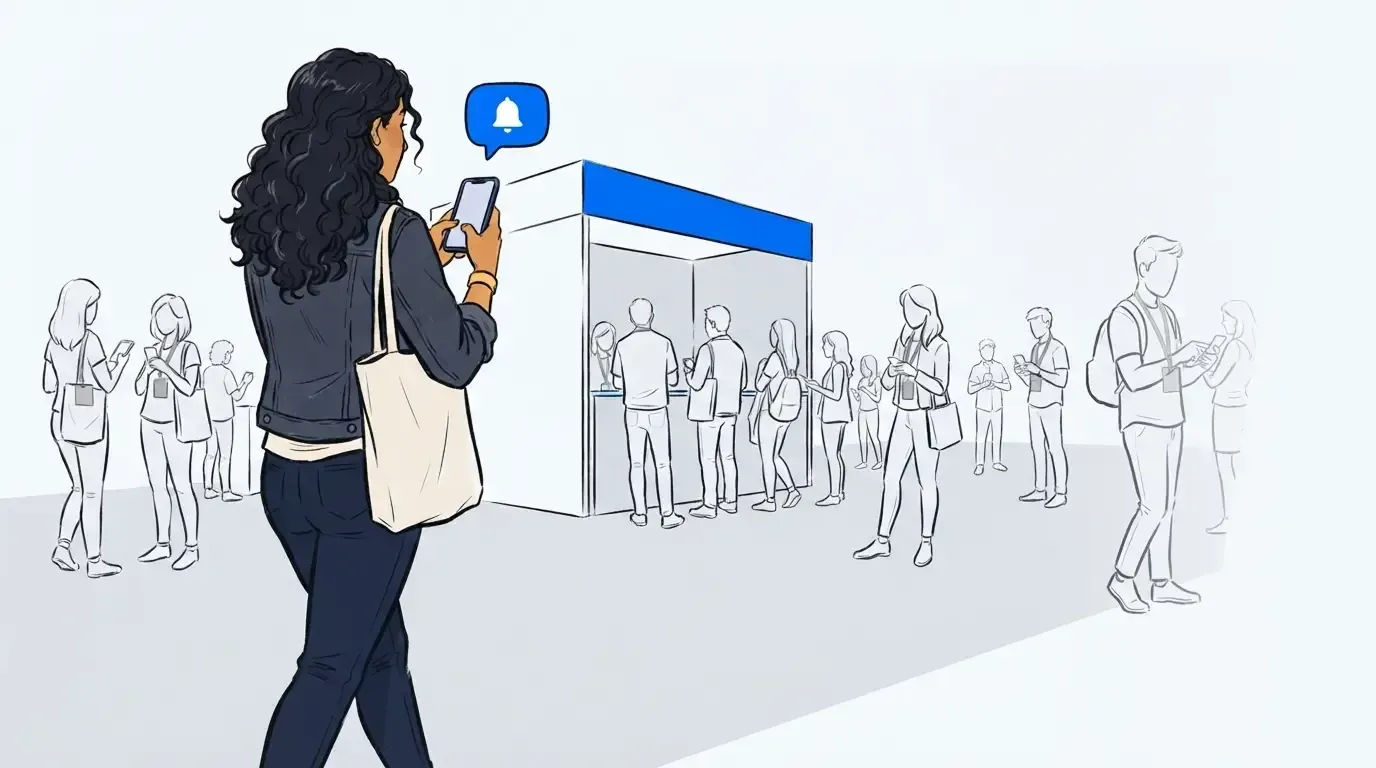
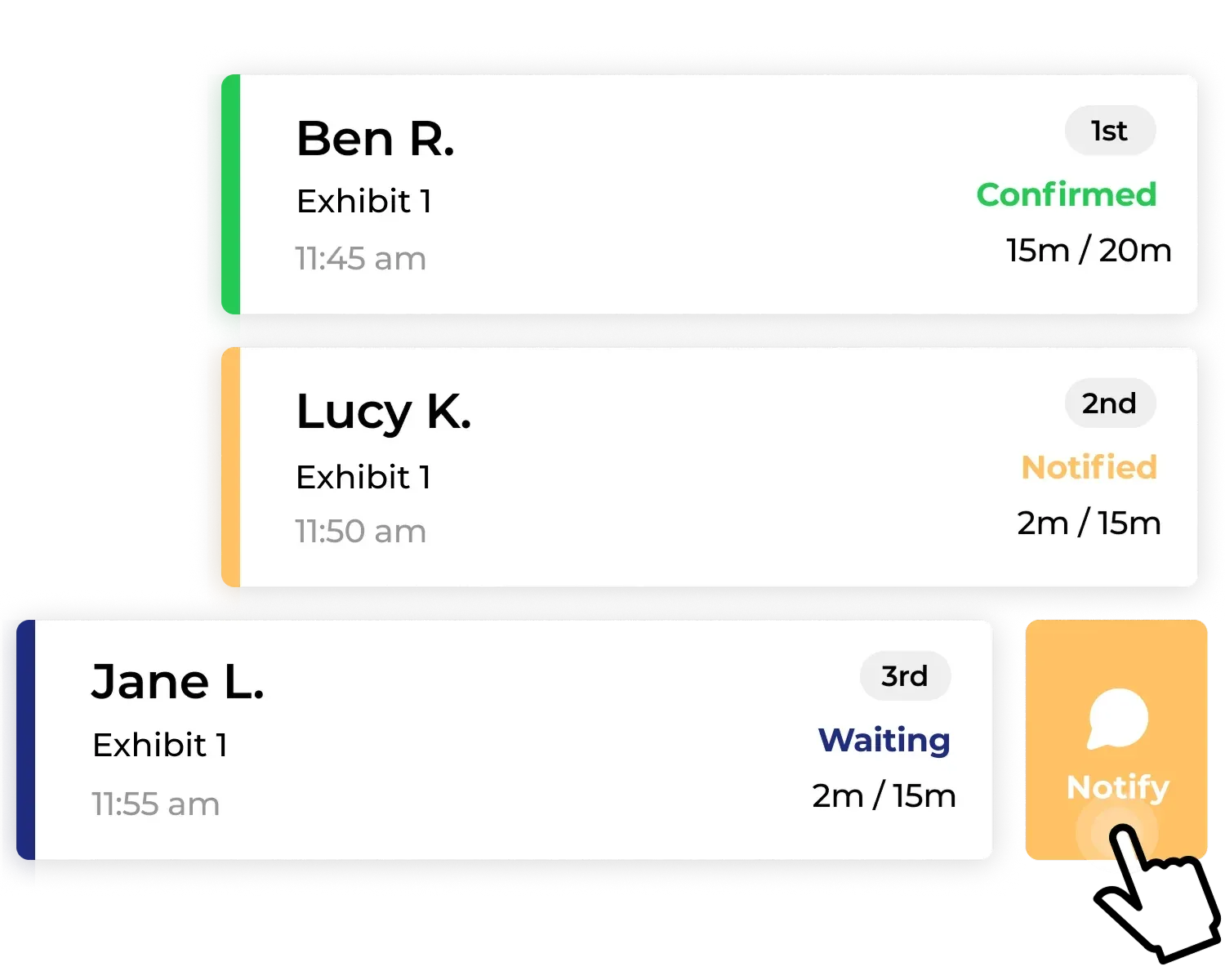
The core mechanic is the same across all three conference queue moments: replace a physical line with a virtual one. Attendees join via QR code or a shared link, receive their position and estimated wait time by text, and return when it is their turn. They are free to move around the venue, get coffee, or attend another session rather than holding a physical spot in line.
From the operator side, this looks like a live dashboard showing every queue across the event in real time. Staff can call the next attendee, send a text when someone’s turn is approaching, and close a queue when capacity is reached - all from the same interface.
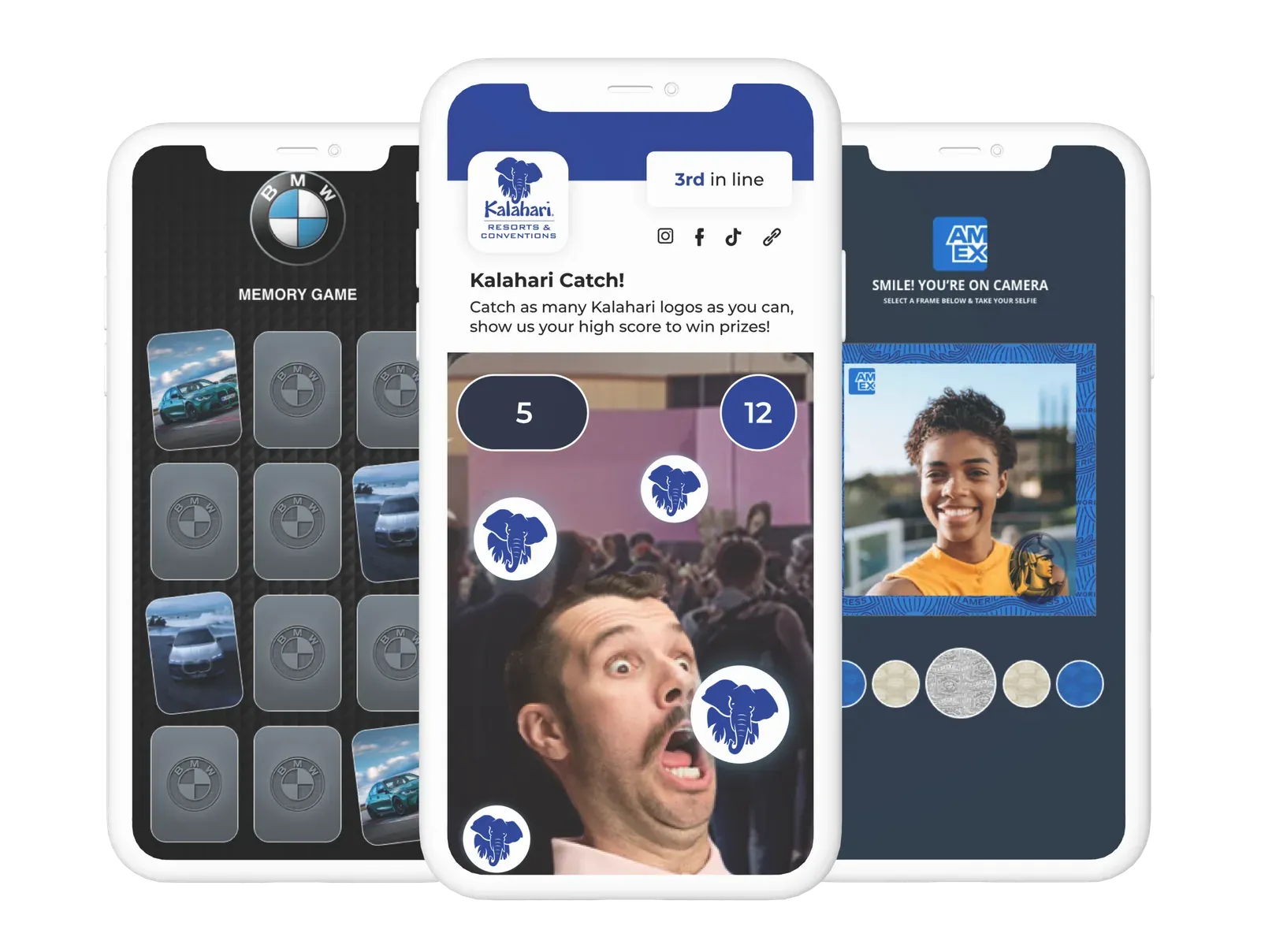
For brand activations, the virtual waiting room adds a layer of engagement that a physical line cannot: while attendees wait, the VWR displays sponsor content, product carousels, polls, and branded experiences. Activation wait time becomes brand engagement time. At the BizBash Experiential Leadership Summit, NextMe powered a Glam Bar activation that let attendees secure their spot and move freely through the summit until it was their turn. No line, no hovering, no missed sessions.
For a detailed look at how this model plays out at festivals and outdoor events, see festival queue management: how to keep crowds moving.
What to look for in conference queue management software
Not every queue management tool is built for the specific demands of a multi-day conference. When evaluating options, event teams should prioritize:
- Multiple simultaneous queues. A conference has several active queues at once. The platform needs to support concurrent queue management across registration, sessions, and the expo floor from a single interface.
- Real-time staff notifications. Staff need to act the moment a queue surges. Look for a platform that surfaces alerts without requiring staff to watch a screen constantly.
- SMS-based guest communication. Attendees at conferences are not standing at a service counter. They are moving around a large venue. SMS updates are the reliable channel for keeping them connected to their place in the queue.
- Virtual Waiting Room for activations. For sponsored booths and brand experiences, a Virtual Waiting Room turns idle wait time into measurable sponsor engagement.
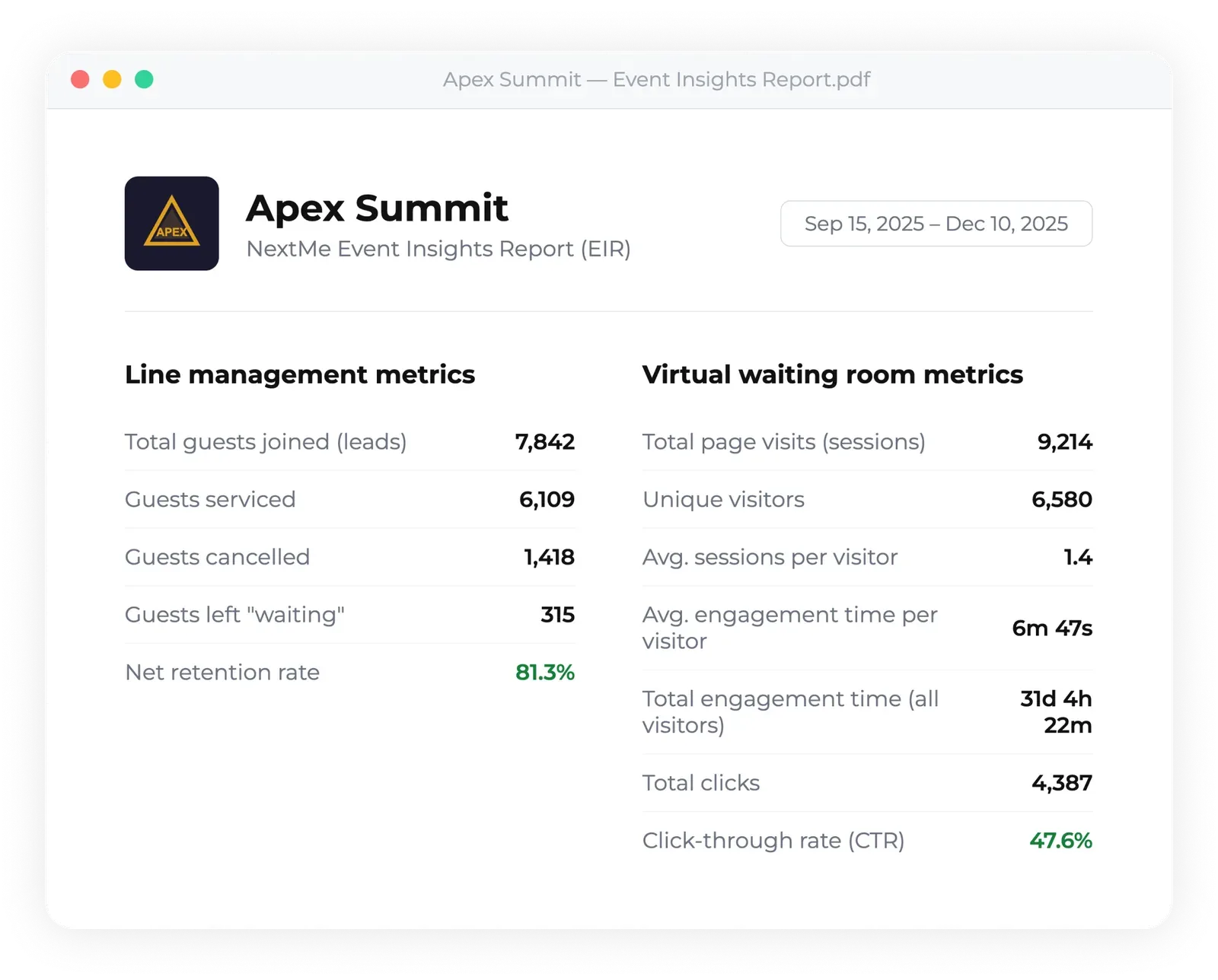
- Post-event analytics. Queue data from a conference is valuable for future planning. Look for a platform that captures wait times, throughput rates, and queue volumes by session and activation.
NextMe’s virtual queue software for events is built for exactly this context: high-attendance, multi-queue environments where the ops team needs real-time control and sponsors need measurable engagement.
Getting ready for summer conference season
Summer 2026 brings a packed calendar of large-scale conferences, trade shows, and brand activations. For event teams with events on the books in the next 60-90 days, now is the time to get queue infrastructure in place - not the week before doors open.
A practical pre-event checklist:
- Map your queue moments. Identify every point in your event where a line will form: registration, session rooms, activations, demos, giveaways. Most teams undercount these by at least two or three.
- Assign a queue owner per zone. Each queue needs one staff member accountable for it. Define this before the event, not on the day.
- Set up and test before you go live. NextMe takes minutes to configure, but testing the QR flow, the SMS notifications, and the staff dashboard in a dry run prevents surprises on event day.
- Brief your sponsors. If you are running brand activations, let sponsors know how the virtual queue and Virtual Waiting Room work. A sponsor who understands the engagement mechanic will invest more in their VWR content - and get better ROI from it.
- Plan for surge, not average. Configure your queue capacity for your busiest anticipated moment, not your expected average. Registration surges and session starts are predictable. Plan for them explicitly.
The teams that handle summer conferences best treat queue management as part of event design, not a logistics afterthought.
Conclusion
Conference queue management is one of the most visible and least invested areas of event operations. A conference that runs its crowd flow well feels effortless to attendees. One that does not creates friction at every transition point - and those friction points add up across a multi-day event.
With summer conference season here, there is a narrow window to get this infrastructure in place before the calendar gets busy. The technology is straightforward. A queue management platform that handles registration, session entry, and expo activations in one place gives event teams the visibility and control they need, and gives sponsors engagement they can actually measure. See how NextMe approaches queue management for events.