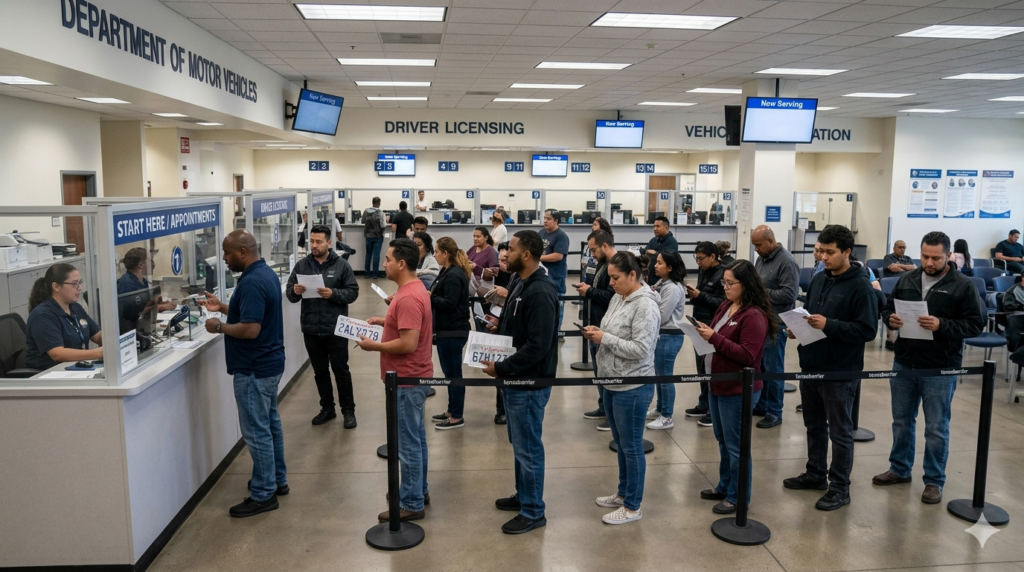
A customer walks into your store, sees the wait at the service counter, and walks back out. No sale. No conversation. Just a lost opportunity that never gets logged because nobody saw it happen.
Walkouts are one of retail’s most underreported problems. Unlike an abandoned online cart, a physical walkout leaves no data trail. But the pattern is consistent: when customers cannot see how long they will wait, or feel stuck in a line with no visible progress, they leave. A survey cited by retail industry researchers found that 39% of shoppers have left a store without making a purchase because of long lines. That is not a fringe behavior. It is a routine revenue leak.
Retail queue management addresses the root cause. It gives customers a way to hold their place without standing at a counter, keeps them informed while they browse or wait nearby, and gives staff a clear view of who is next. The result is fewer walkouts, more completed transactions, and a better in-store experience across the board.
What is retail queue management?
Retail queue management is the process of organizing and communicating with customers waiting for a service inside a store. Rather than managing a physical line at a counter, a digital queue system lets customers check in on arrival, receive SMS updates as their turn approaches, and wait freely anywhere in the store or nearby until they are called.
The store team manages the queue from a dashboard: who is checked in, their position, any notes on the service needed, and the controls to call customers forward. The customer gets certainty. The staff gets control. The physical crowd at the counter disappears.
Why walkouts happen and what they cost
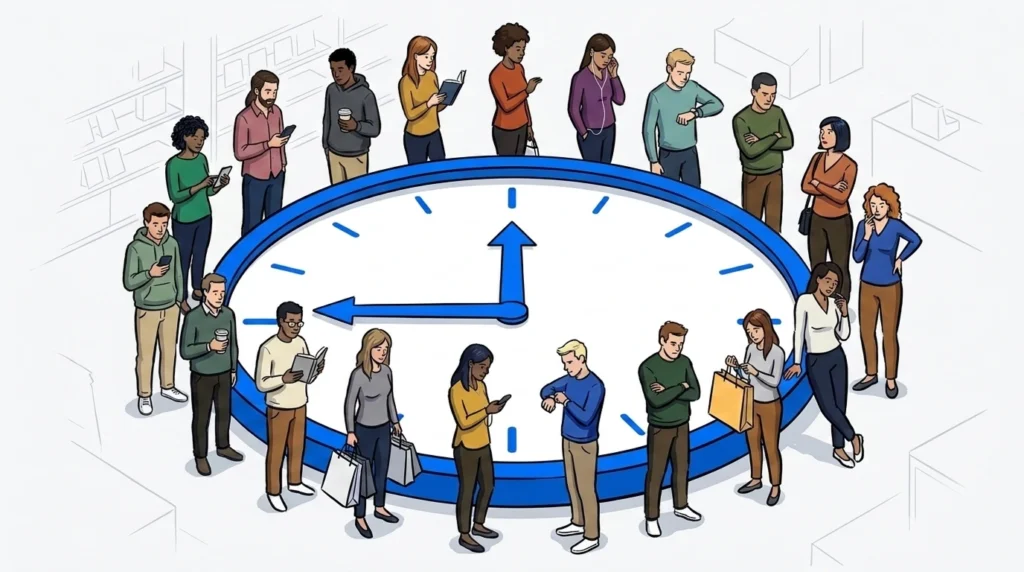
Walkouts happen at the moment uncertainty beats patience. A customer who cannot judge how long the wait will be, or who feels trapped standing at a counter while staff are occupied, makes a quick calculation and leaves.
The cost is real but hard to measure. A clothing alteration customer who walks out does not just represent one lost job. They represent a recurring relationship that never forms. A device repair customer who gives up and goes elsewhere rarely comes back. In high-service retail categories where the transaction takes time and skill, a walkout is not a missed sale. It is a missed customer lifetime.
Queue management addresses the root cause directly. Research published in the Journal of Service Research found that customers who received real-time queue updates perceived their wait as 35% shorter than those who received no updates, even when actual wait times were identical. The wait does not need to be shorter. It needs to have a shape. When customers know their place is held and know they will be called, the calculus changes. They browse the floor. They sit down. They stay.
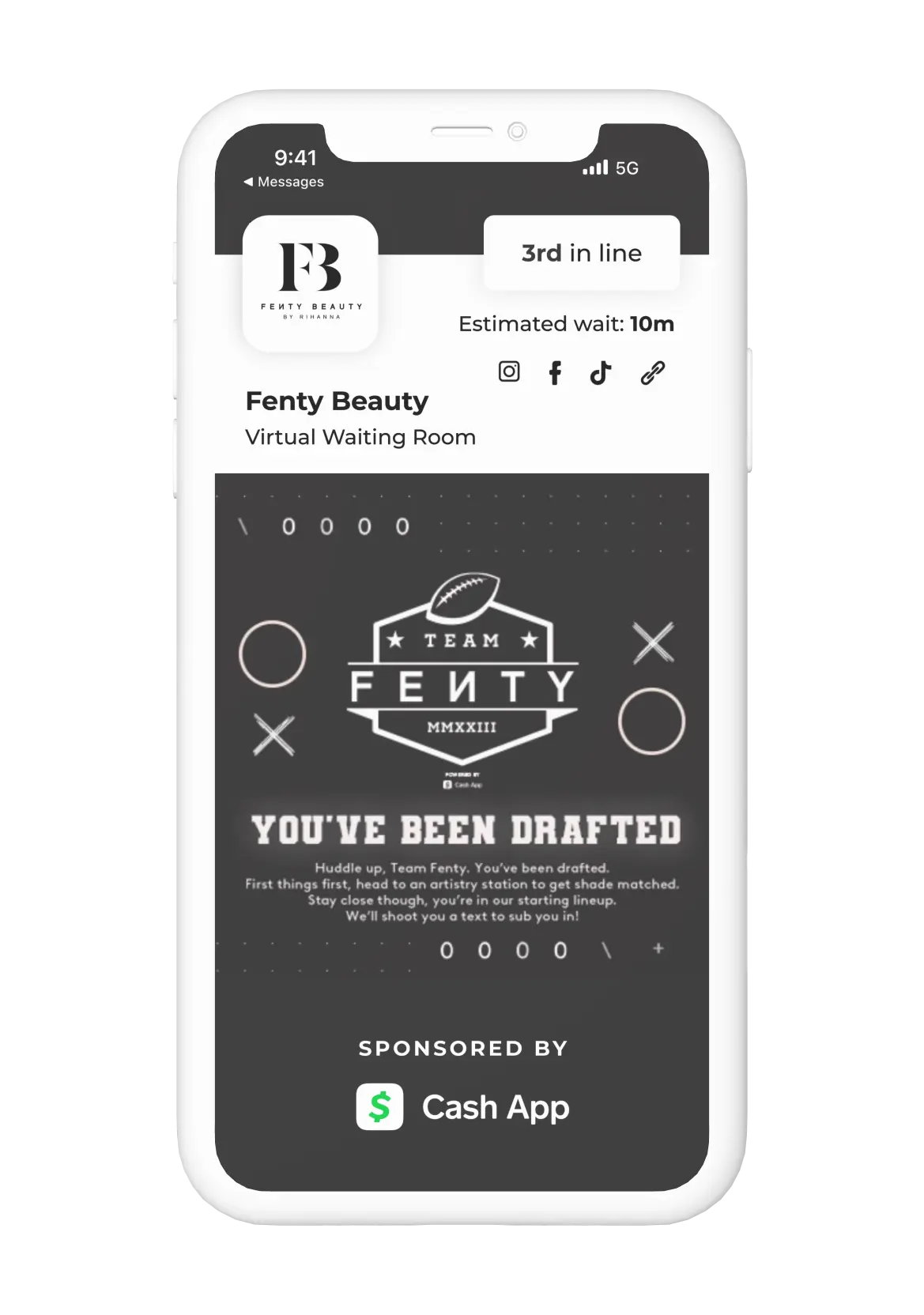
Fenty Beauty used NextMe’s virtual waiting room to manage customer flow at a high-demand retail activation, turning a potentially overwhelming queue into a structured, branded experience. Customers held their place digitally and engaged with brand content while they waited.
Retail use cases where queue management makes the biggest difference
The use cases where retail queue management delivers the most value share one characteristic: the service takes time and the customer has to wait for it.
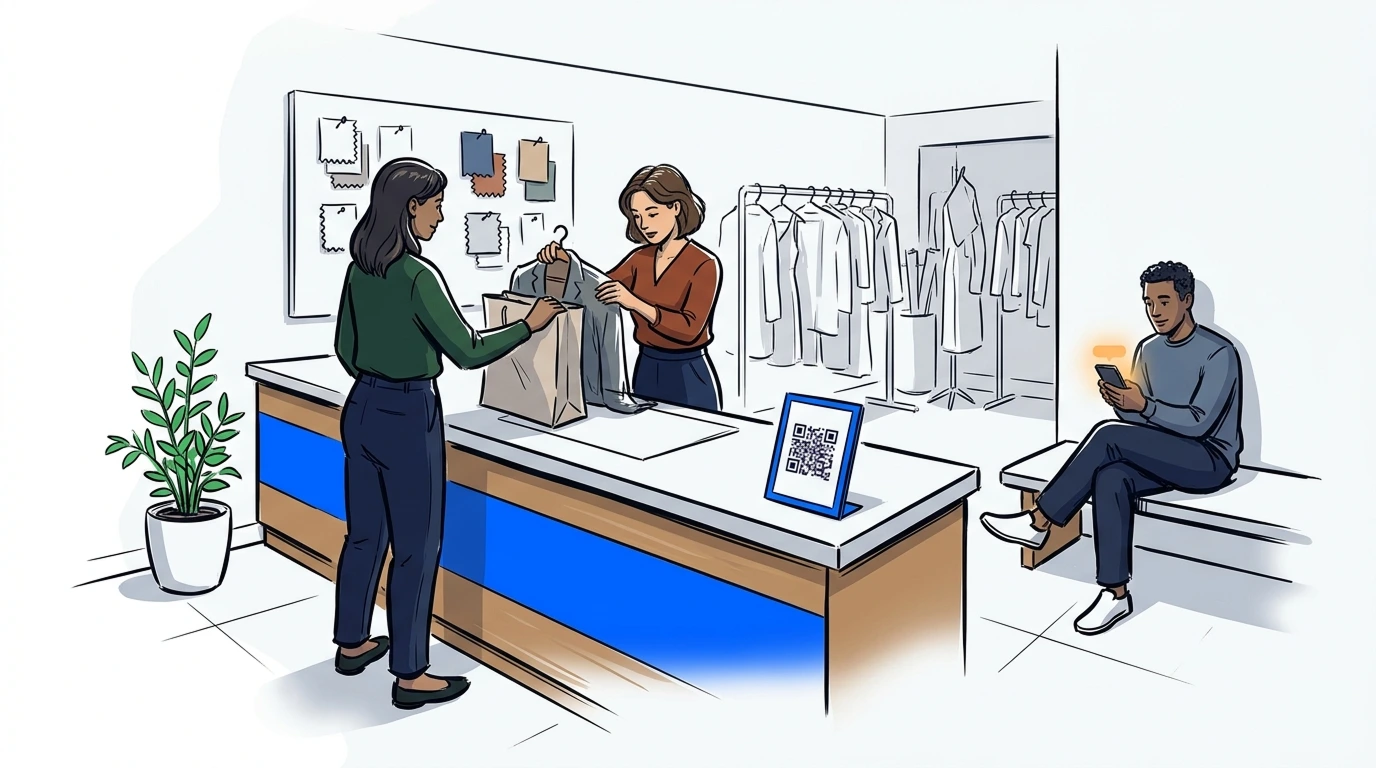
Tailoring and alterations studios manage a steady flow of fitting appointments and drop-in alterations. A digital queue lets customers check in, drop their item, and wait in the store or return later rather than hovering near the counter.
Clothing exchange and consignment stores deal with bursts of customers bringing in items for assessment. A queue system means staff can process one transaction at a time without a physical crowd building at the intake counter.
Device repair shops – phone screen replacements, laptop diagnostics, accessory fittings – routinely have customers waiting while a technician completes a job. A virtual queue lets the customer step out for coffee and return when their device is ready rather than standing at the counter for twenty minutes.
Fitting rooms at high-demand clothing retailers and product launch events follow the same pattern. The customer wants the experience but will not stand in an unmanaged line for it. A digital queue gives them both.
Pharmacy service counters, optical fitting appointments, and specialty retail consultations all involve the same dynamic: a service that requires attention from a trained staff member, a finite number of staff available at once, and customers who will leave if the wait feels formless.
How retail queue management reduces walkouts
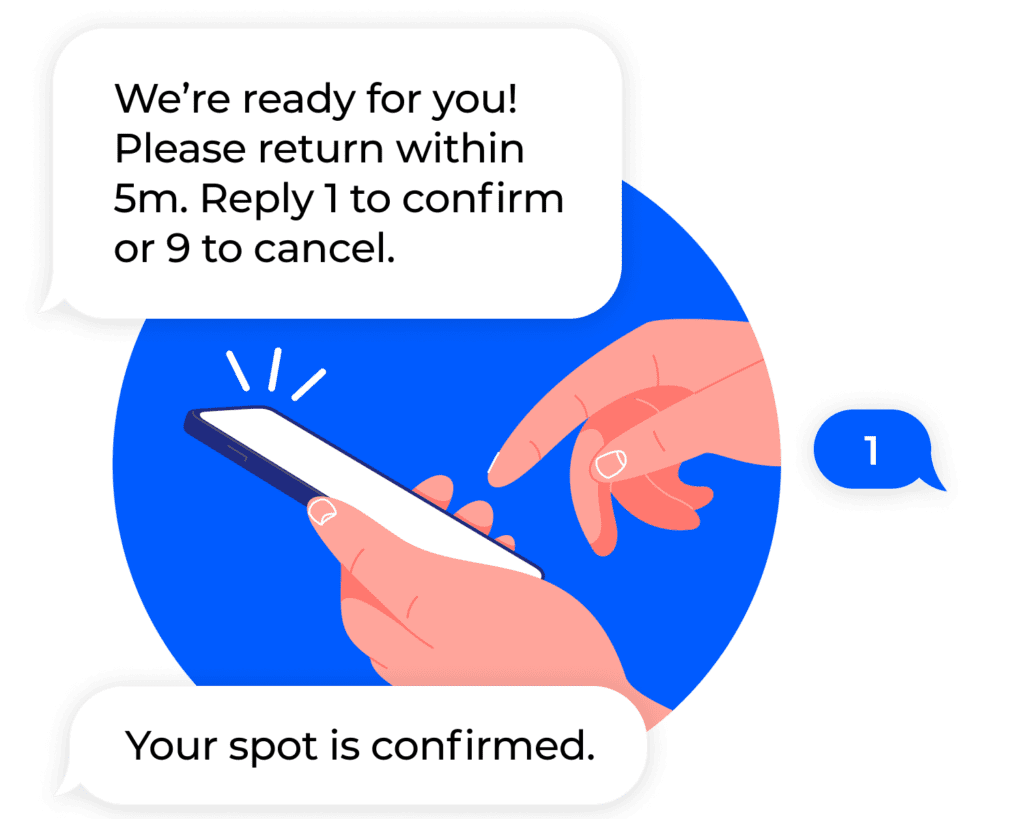
The mechanism is straightforward. A customer who joins a digital queue receives a confirmation that their place is held. They get an SMS update when their turn is approaching. They come in only when the staff is ready.
At every point where a physical queue would cause someone to give up, the digital queue provides information that changes the decision. The moment they arrive and see a crowd: they scan and join instead of turning around. Ten minutes in with no visible progress: they receive an update. They have somewhere else to be: they wait freely and return when called.
SMS is the right channel for this. It requires no app download, works on every phone, and is read within minutes of delivery. A customer waiting for a fitting or a repair does not need to stay near the counter. They need a text that tells them when to come back.
Turn wait time into revenue time
A customer waiting for their alteration to be pinned, their device to be diagnosed, or their fitting slot to open is not idle. They are in your store, engaged, and open to discovery – if you give them somewhere to look.
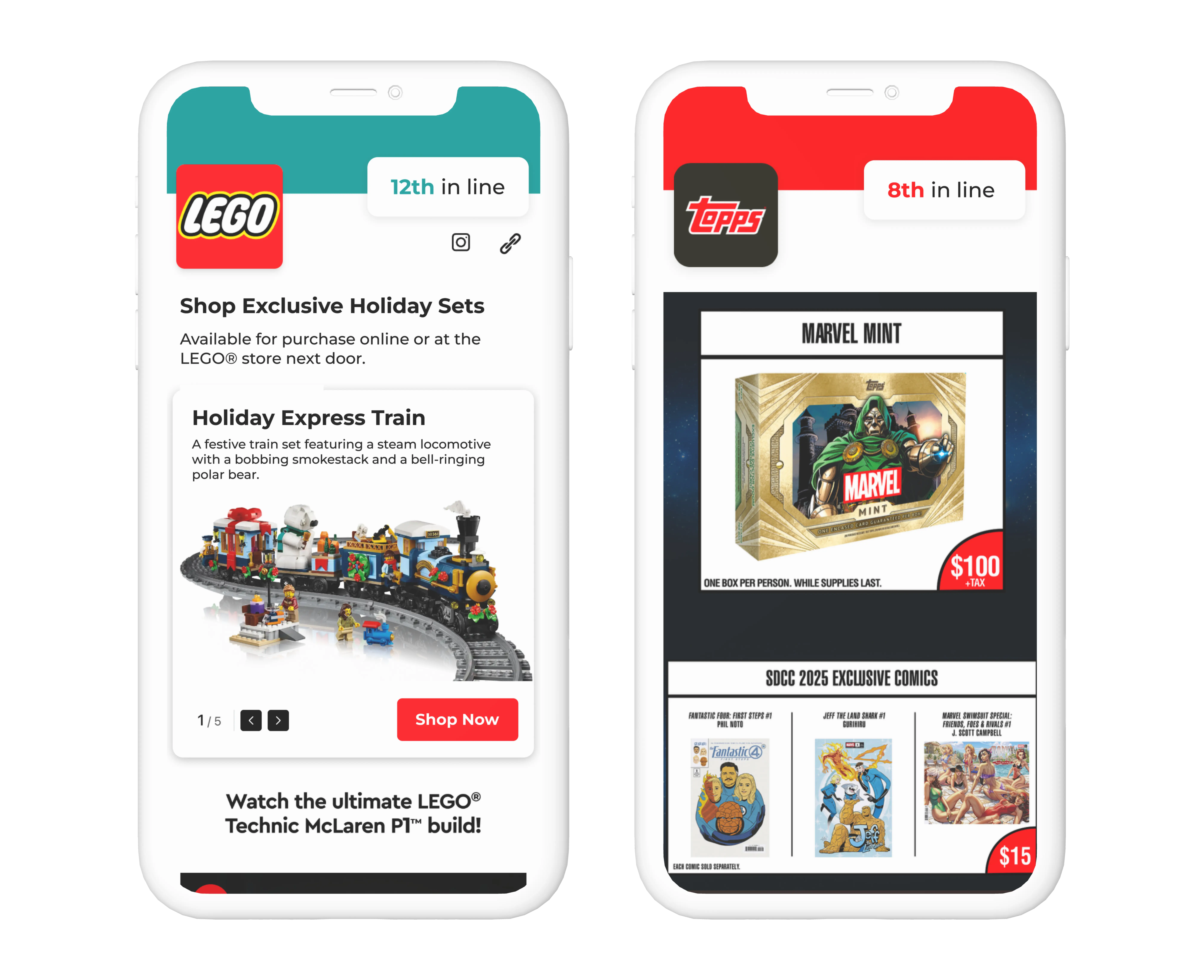
NextMe’s virtual waiting room lets you turn the wait itself into a branded experience. While customers hold their place in the queue, they see a customizable screen you control: featured products, current promotions, new arrivals, loyalty program sign-ups, or simply your brand story. The wait becomes a dwell moment – and dwell moments convert.
Instead of a customer standing at a counter watching staff work, or sitting on a bench staring at nothing, they are engaging with your content. Retailers using the virtual waiting room report customers discovering products they did not come in for, scanning promotions they would have otherwise missed, and leaving with more than they planned to buy.
The queue is not dead time. It is screen time you already own.
Setting up retail queue management in your store
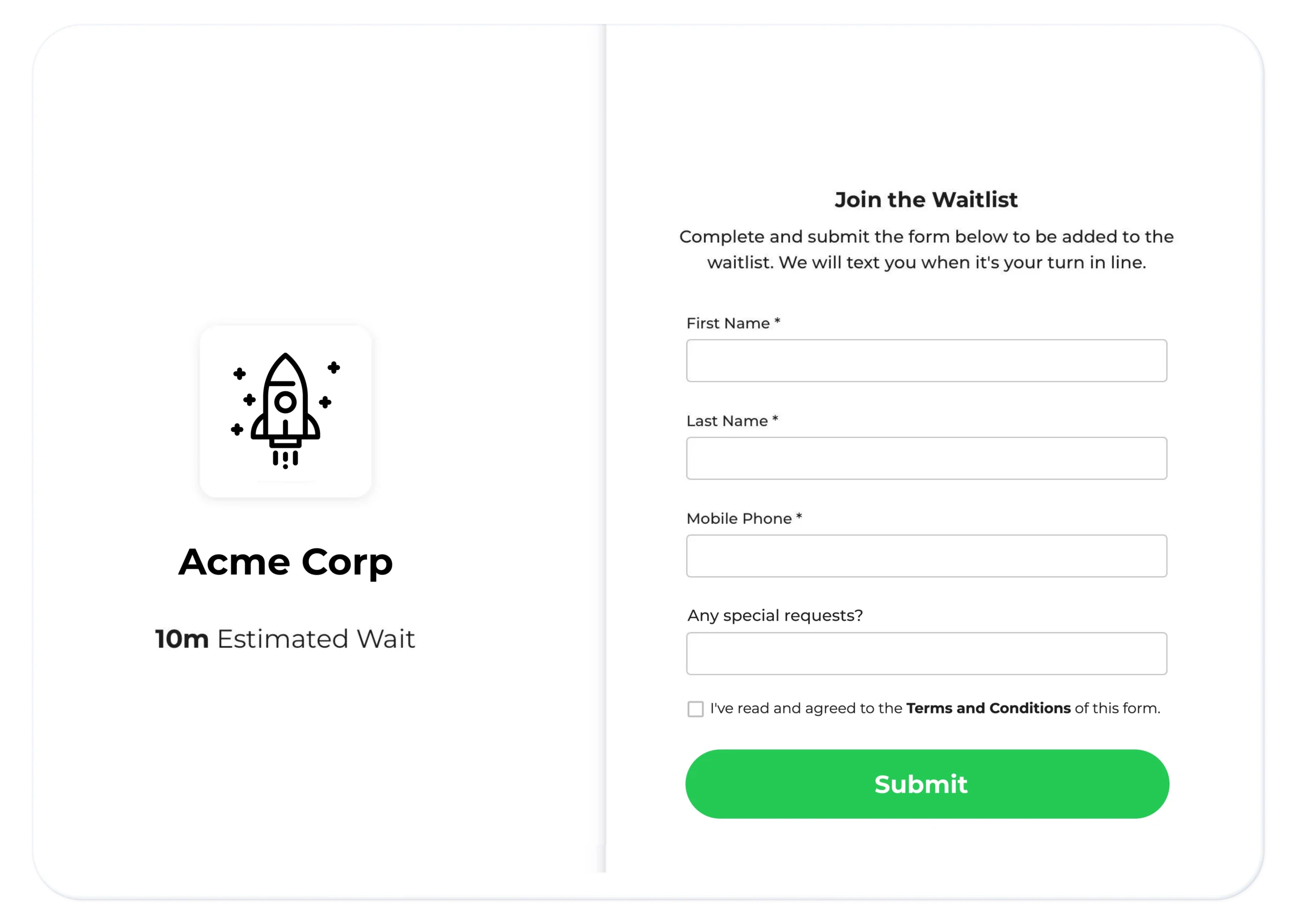
The setup does not require dedicated hardware or technical support. Create a queue in NextMe and configure the check-in form for your service type – name, phone number, service needed, and any notes your team uses at intake. Generate a QR code and place it at the entrance or service counter. Customers scan to join. Staff see the live queue on any device and use the notify function to call customers forward when ready.
A tablet kiosk at the counter gives customers a self check-in option that requires no staff involvement on arrival. For stores with a single service counter handling multiple types of requests – alterations, exchanges, repairs – configuring the check-in form to capture service type gives staff the context they need before the customer reaches the counter. The waitlist management dashboard keeps everything visible in one place.
Frequently asked questions
What is retail queue management?
Retail queue management is a system for organizing customers waiting for in-store services. A digital queue lets customers check in on arrival, wait freely in the store or nearby, and receive an SMS notification when it is their turn. Staff manage the queue from a dashboard rather than handling a physical line at the counter.
Which retail businesses benefit most from queue management?
Any retail service where customers wait for staff attention benefits from a queue system. This includes tailoring and alteration studios, clothing exchange and consignment stores, device repair shops, fitting rooms at high-demand retailers, pharmacy service counters, and pop-up or product launch experiences. The common factor is a service that takes time and a customer who would otherwise stand and wait.
Does a retail queue system require customers to download an app?
No. Customers join the queue by scanning a QR code or using a self check-in link. No app download is required. They receive updates via standard SMS text message.
How does queue management reduce walkouts in retail?
Walkouts happen when customers feel uncertain about how long they will wait and choose to leave rather than stand in line. A digital queue removes that uncertainty. Customers know their place is held and receive a text when their turn arrives. That information is enough to keep most customers engaged rather than walking out.
Can a retail queue system handle multiple service types at one counter?
Yes. The check-in form can be configured to capture service type at intake, so staff know what each customer needs before they reach the counter. This is particularly useful in stores handling a mix of alterations, exchanges, and repairs from the same service point.
Conclusion
Walkouts are a solvable problem. The customers leaving your store are not making a judgment about your product or your staff. They are making a judgment about the wait. Give them a way to hold their place, keep them informed, and call them back when you are ready, and most of them will stay.
NextMe’s retail queue management works across every in-store service context – from tailoring studios and device repair shops to fitting rooms and pop-up activations. Try it free before your next busy period.