According to Salesforce, 80% of customers say the experience a company provides matters just as much as its products or services. Live events are no exception. A long walk-up line is often the first thing guests encounter, and it can set the tone for everything that follows. If you managed a crowded activation recently, you know the real issue is not always the line itself. It is the moment it grows too long, blocks the space, and makes guests wonder if the experience is worth it.
Event teams asking how venues manage walk-up traffic usually expect one answer: eliminate the line. We’d argue that’s the wrong goal. A short visible line can signal demand. A sprawling line that swallows your footprint, frustrates guests, and scares off the next wave of attendees is where things start to break.
Key Takeaways:
- A visible line can create interest, but a long unmanaged line becomes friction fast.
- How venues manage walk-up demand matters most in space-constrained activations where crowding damages the guest experience.
- The hidden problem is usually uncertainty, not waiting alone.
- Use the 20-40 rule: keep roughly 20% of demand visible and move overflow into managed virtual waiting when space starts tightening.
- If wait times pass 15 minutes and guests have no updates, drop-off risk climbs sharply.
- Strong walk-up management depends on intake speed, live communication, and return timing.
- The best systems do not remove every line. They control how much stays physical and how much moves virtual.
Why walk-up traffic breaks down in tight event spaces
How venues manage walk-up traffic well comes down to control, not elimination. The strongest event teams keep enough physical presence to show momentum, then move overflow into a system that protects space, staff, and guest patience. That matters most when your footprint is small and demand is not.
A lot of operators still treat walk-up flow as a simple staffing problem. Add two more people. Put out stanchions. Print signs. Keep the line moving. Sometimes that works for an hour. Then the rush hits, the aisle fills up, and the whole setup starts looking more crowded than exciting.
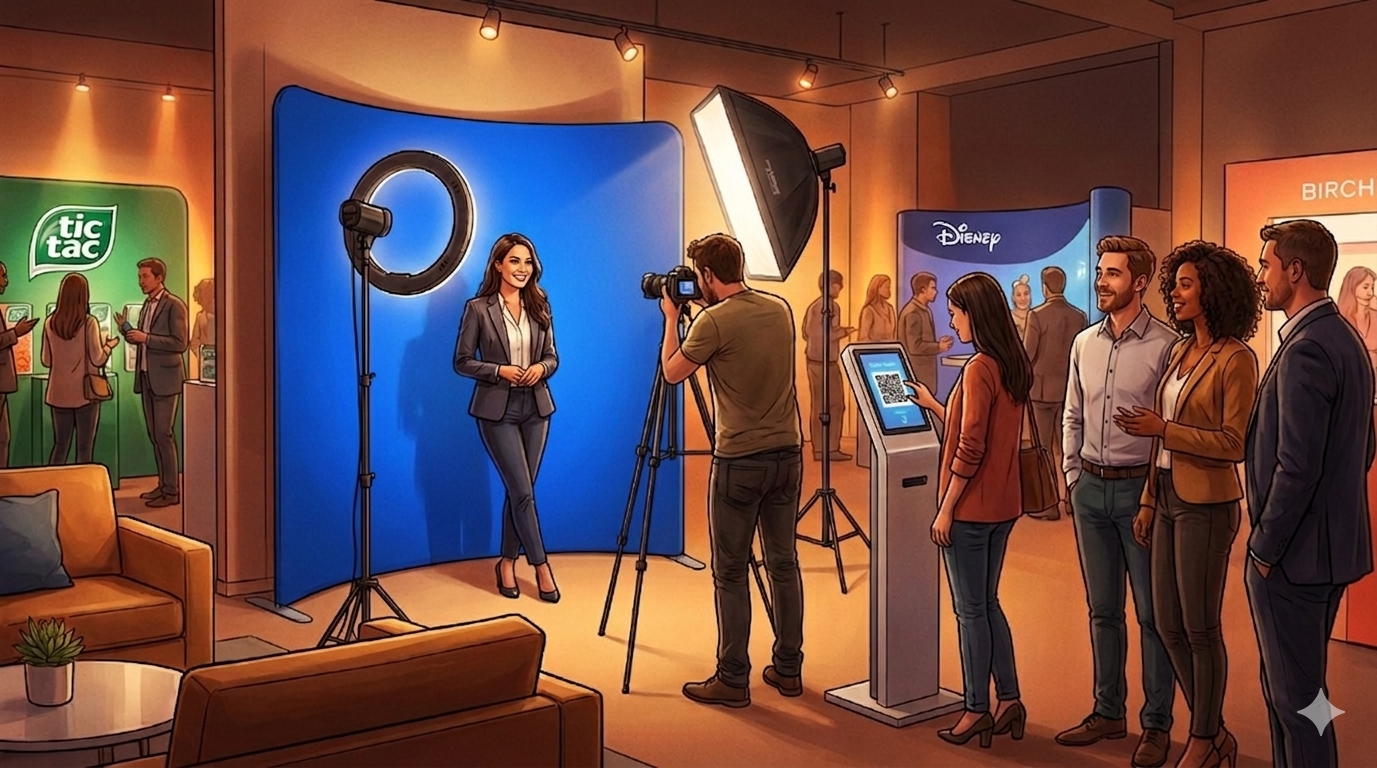
Picture a trade show booth at 11:20 a.m. A brand activation opens a headshot station, a product demo, and one giveaway counter inside a compact footprint. Ten guests in line looks fine. Thirty guests pressing into the aisle is different. Staff stop greeting people and start crowd control. New attendees take one look and keep walking. You feel the shift right away, and honestly, it happens faster than most teams expect.
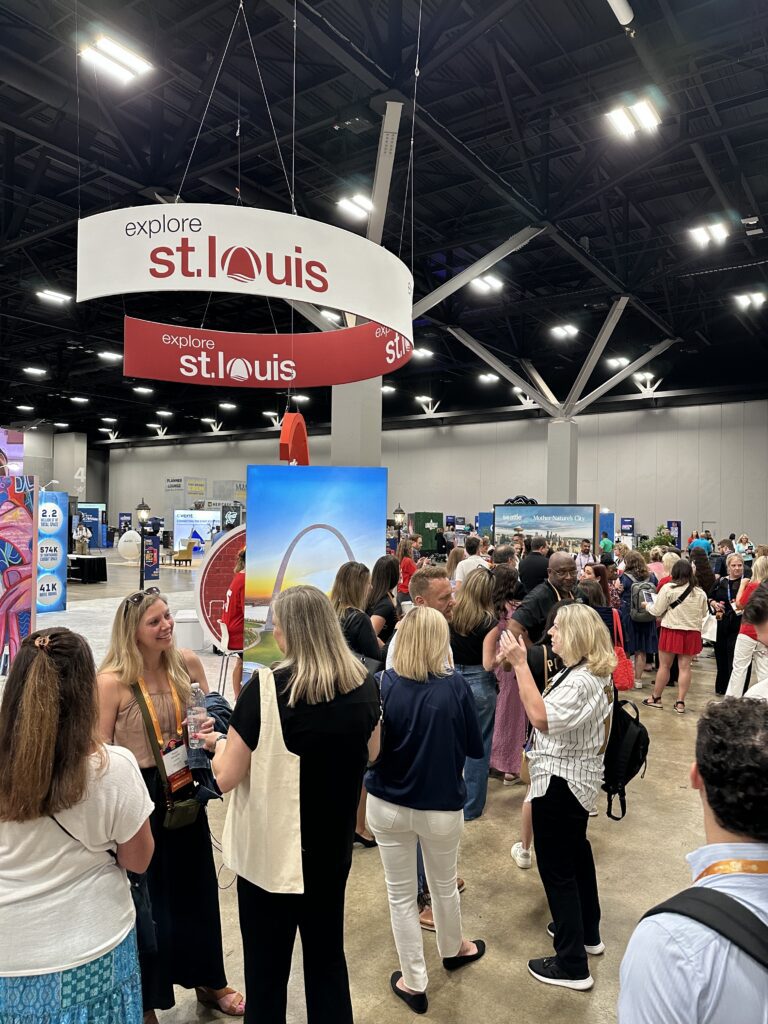
The old assumption is that everyone should stand in the same line the whole time. That works only when demand stays low and space is forgiving. Space-constrained experiences don’t work like that. A narrow booth, a rooftop activation, a fan meet-and-greet, or a premium lounge has a hard limit. Once the line spills beyond that limit, the walk-up experience starts costing you attention, throughput, and interest.
A visible line can create buzz. Too much line becomes a deterrent. That’s the operational line you need to manage.
The hidden problem is uncertainty, not waiting
Guests can tolerate a wait when the experience feels worth it and the process feels clear. They struggle when they do not know how long it will take, whether the line is moving, or if they need to stay planted in one spot. That is a different problem entirely.
PwC customer experience research has repeatedly found that speed, convenience, and friendly service are central parts of customer experience. At events, uncertainty hits all three. Guests lose convenience because they are trapped. Staff lose time because they answer the same questions over and over. The activation loses energy because nobody feels informed.
Some waits are expected. Fans will wait for a celebrity meet-and-greet. Attendees will queue for a premium demo. However, it’s important to note that a tolerated wait is not the same thing as a well-managed one.
Long lines create three costs at once
The first cost is spatial. Your line starts eating the area meant for the experience itself. The second cost is emotional. Guests start doing the math in their heads and deciding whether to leave. The third cost is commercial. Fewer people engage, and fewer staff minutes go toward the actual experience.
At SXSW, crowded sidewalks and public space constraints can create real operational risk, not just annoyance. That is why physical overflow is not a cosmetic issue. It is a control issue. If you’re still relying on a single static line for high walk-up traffic, you’re not managing demand. You’re letting the crowd design your event for you.
So what does a better approach actually look like?
The better model for managing walk-up demand
The better model for how venues manage walk-up demand is hybrid queuing. Keep some line visible for energy, but move overflow into virtual waiting once space, wait time, or guest frustration crosses a clear threshold. In other words, do not treat physical and virtual as opposites. Use both on purpose.
The portion of the line you want people to see does real work. It tells arriving guests something popular is happening. The portion you do not want piling up in your footprint is a different problem entirely, and that demand should move into virtual waiting, where guests stay informed and mobile instead of stuck.
Start with the 20-40 rule
A simple rule helps event teams decide when to switch modes. Keep about 20% of active demand in a visible physical queue and move the rest out of the footprint once the line starts taking more than 40% of your usable guest area. It is not a law of nature, of course. But for space-constrained activations, it is a useful trigger.
If your footprint is tight, the threshold should be lower. If the space is open and the line itself adds social proof, you can tolerate a little more visible buildup. Some teams prefer a bigger visible line, and that is valid for certain fan experiences. Still, once guests start blocking entrances, neighboring booths, or sponsor zones, the visible line has stopped helping.
That is why asking how venues manage walk-up traffic misses the deeper question. The real question is how much waiting should stay visible, and how much should move into managed overflow.
Diagnose your current walk-up maturity first
Before you choose tools or staffing plans, you need to know which kind of line problem you actually have. Most teams skip this which can be a big mistake.
Ask yourself these four questions:
- Are guests waiting longer than 15 minutes without updates?
- Does your line regularly spill into shared or restricted space?
- Are staff spending more than 25% of their time answering status questions?
- Do guests leave the line to explore and then lose confidence about when to return?
If you answered yes to one question, you likely have a communication issue. If you answered yes to two or three, you have a crowd-flow issue. If you answered yes to all four, you have a walk-up design problem, not just a line problem.
That distinction matters. Communication problems can be improved with better status updates. Crowd-flow problems need faster intake and smarter queue control. Design problems need a hybrid model from the start.
A booth team at a high-traffic conference learned this the hard way. Their product demo looked successful because the line was packed all morning. By noon, staff were redirecting foot traffic, guests were asking if the wait was worth it, and some prospects walked away before even checking in. The demand was strong, but the operating model was broken.
Build around three operational moments
Every walk-up experience has three moments that decide whether the line holds or fails: join, wait, and return. If one moment is weak, the whole guest flow starts wobbling.
Join has to be fast. If check-in takes more than 45 seconds per guest during a rush, you create a bottleneck before the queue even starts. Wait has to be clear. Guests should know they are in, what to expect, and when they will hear from you next. Return has to be timed well. Invite people back too early and you recreate the physical line. Too late and you create empty capacity.

At NatCon25, a high-demand headshot activation used NextMe’s branded waiting experience to reduce bottlenecks and ended up increasing headshots by 40%. That result is not magic. It reflects better handling of those three moments. Guests joined cleanly, waited with context, and returned with less confusion.
We’ve found that it’s often helpful to design for the return moment first. Most teams obsess over intake. Intake matters, but return timing is what determines whether your line stays short or builds back up over time.
Treat waiting as part of the event, not dead time
This is where event teams can gain ground quickly. Waiting should not feel like being sidelined. It should feel like being held in orbit around the activation until capacity opens up.
That might mean giving guests a clear countdown window, FAQs, sponsor content, maps, or a reason to explore nearby. At Comic-Con, a SYFY activation used virtual waiting so fans could stay engaged with the event rather than spend up to two hours stuck in one static queue. The result was a 25% increase in brand engagement, which is a useful reminder that flow design affects marketing outcomes too.
Some operators worry that if guests leave the physical line, they will disappear. Fair concern. But guests disappear faster when they are bored, uninformed, and boxed into a crowded area. Mobility with updates usually beats immobilization with uncertainty.
The hybrid model performs well, but how do you run it without adding chaos for staff?
What high-performing event teams do differently
High-performing event teams manage walk-up traffic with thresholds, roles, and live feedback loops. They do not improvise every decision on the floor. They define when guests enter the queue, when overflow moves virtual, and when staff pull people back into the activation. That structure is what keeps a busy line from becoming a broken one.
We’ve seen teams assume that good hospitality alone will solve line friction. It won’t. Friendly staff matter, but friendly chaos is still chaos.
They set a hard threshold before the event starts
The best teams choose a trigger before doors open. If the visible line hits a certain guest count, a certain wait time, or a certain square-foot threshold, they shift overflow immediately. No debate. No guessing.
A solid baseline looks like this:
- Under 10 minutes: keep most guests in the visible line
- Between 10 and 15 minutes: begin directing new arrivals into managed overflow
- Past 15 minutes: move most new demand into virtual waiting
- Past 25 minutes: send another update before guests ask for one
Those numbers are not universal. A compact fan activation might need tighter limits. A large outdoor event might tolerate more visible demand. But if you do not define thresholds ahead of time, staff will each make their own call in the moment. That is where inconsistency creeps in.
The status quo has one advantage. It feels simple. One line. One crowd. One visible demand signal. But simplicity on paper often creates mess on the floor.
They separate intake from queue management
One of the most overlooked shifts in how venues manage walk-up demand is role clarity. The person greeting guests should not also be trying to forecast return timing, manually reorder the line, and answer every wait question. That setup burns people out fast.
Instead, better teams split the work:
- One role handles guest intake
- One role monitors live queue flow
- One role focuses on experience delivery inside the activation
- One floater handles exceptions during peak rushes
In a multi-station activation, this gets even more important. A resume review bar, a headshot station, and a product demo might all need different pacing. Running them through one generic line is usually a mistake. If stations have different service times, separate them or guests will feel the mismatch immediately.
At a career-fair-style event, multiple high-demand stations created long waits that cut into networking time. Once the flow shifted to virtual waitlists by station, attendees spent 37% more time networking and station throughput rose 30%. That is a strong example of why walk-up control should match the actual experience design.
They manage returns in waves, not one by one
A lot of teams call guests back the instant a slot opens. Sounds efficient, but it’s often not. The better method is calling people back in waves.
If your activation serves guests in mini-batches, return them in mini-batches. If a booth has capacity for four demos every eight minutes, invite four back in a timed group. When capacity works in clusters, your return flow should also work in clusters.
This matters because one-by-one invites can recreate mini lines at the entrance. Guests show up unevenly. Staff end up pausing to re-explain the process. Meanwhile, empty service pockets appear inside the experience because the return pattern is too jagged.
Waves smooth that out. It also helps guests. A clear message like “head back in the next 5 minutes” is easier to follow than vague turn-by-turn ambiguity.
They measure four signals, not one
Most teams only track average wait time. Useful, yes. Enough, no.
A more robust analysis often includes:
- Average visible line length
- Walk-out rate
- Return rate
- Throughput per hour
If one metric worsens while the others improve, you can still diagnose the problem. Lower visible line length with lower return rate means guests may be drifting too far. High throughput with a high walk-out rate means the front-end experience is still frustrating people. Wait time alone rarely tells the whole story.
For extra context, event organizers are increasingly looking for measurable flow data, not just anecdotal feedback. If you can’t show what happened, it’s harder to improve your next activation.
How NextMe supports hybrid queue control at events
NextMe is a modern virtual waiting room for in person experiences. It gives event teams a practical way to manage walk-up demand without pretending every physical line should disappear. That matters because the best event flow is usually hybrid, not all physical and not all virtual.
Built for real-world check-in and live queue control
The platform includes waitlist management with configurable queues, custom intake fields, estimated wait times, and analytics. Staff manage flow from a real-time dashboard that shows who is waiting, who is next, and who is currently being served. If your activation has more than one station, NextMe also supports multi-queue management within one waitlist, which is useful for setups like demos, headshots, or meet-and-greets running side by side.
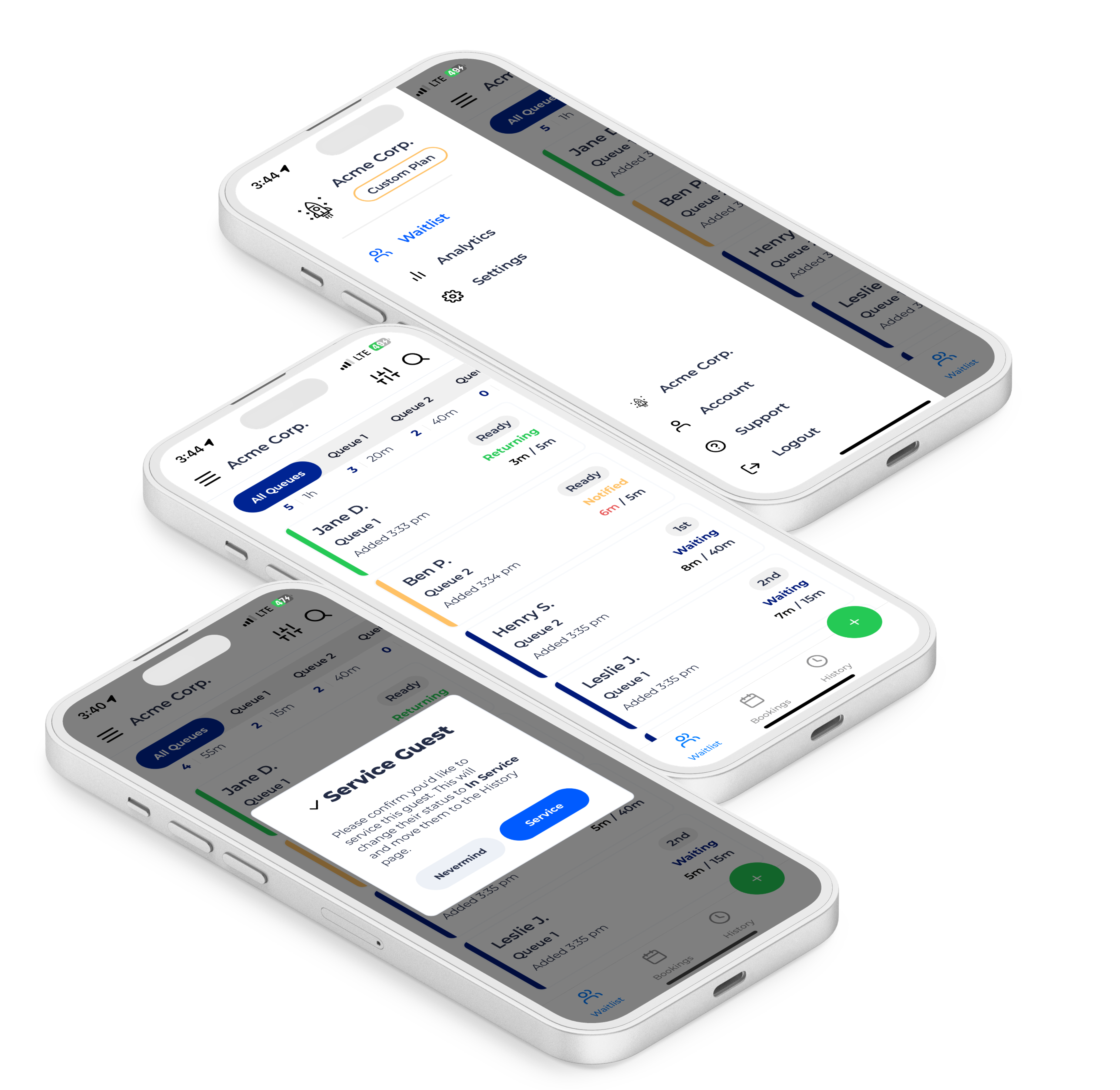
That directly addresses one of the most expensive failure points in space-constrained experiences: too many people standing in the same place at the same time. Instead of letting the physical line swell until it hurts the experience, operators can keep a shorter stand-by line and move overflow into a managed queue.
Better waiting for guests, better control for operators
NextMe’s Virtual Waiting Room gives guests a web-based waiting page after they join the queue. No app download is required. SMS notifications confirm they are in line, update them as the queue moves, and tell them when to return. For events, that is not just a convenience feature. It is how you reduce uncertainty while freeing people to use their time elsewhere.
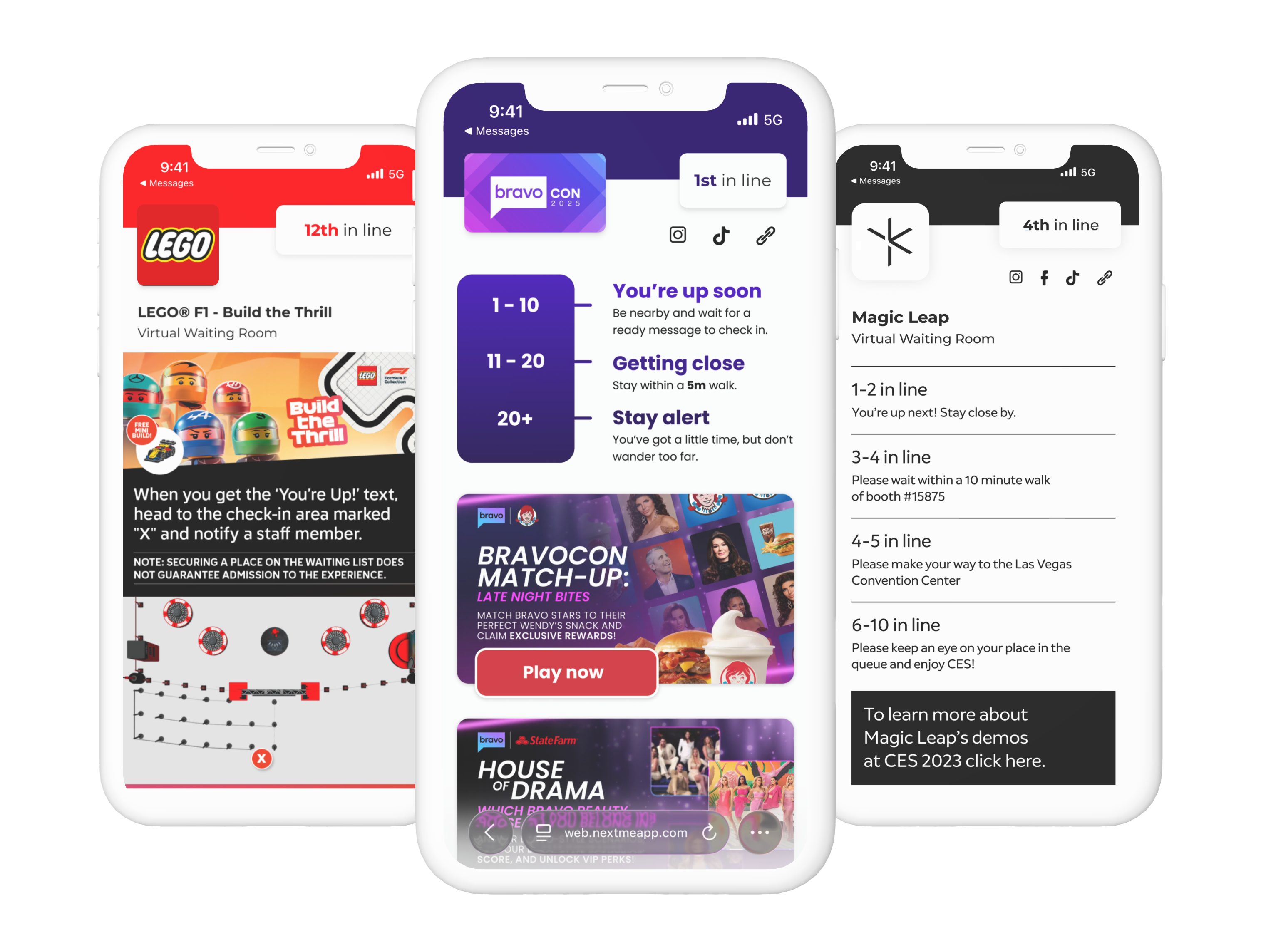
The Virtual Waiting Room can also include branded guest engagement content such as sponsorships, product carousels, games, polls, videos, social feeds, maps, and calls to action. In other words, waiting does not have to be dead space. It can still be part of the event experience.
NextMe also offers Analytics and Event Insight Reports for post-event review. That gives organizers a clearer picture of throughput, waiting patterns, and virtual waiting room engagement.
For large event plans, high volume event readiness supports simultaneous high-volume joins with high velocity SMS and added burst protection. If you expect a rush all at once, that matters. If you want to talk through how this could work in your own activation footprint, get in touch.
A smarter way to handle walk-up demand
How venues manage walk-up traffic well is not really about making every line vanish. It is about deciding what guests should see, what they should not have to stand through, and how to bring people back at the right time.
For event teams, especially in limited footprints, that shift is huge. A short visible line can create energy. A long unmanaged one can eat the space, frustrate guests, and push people away. Hybrid queue control fixes the real problem: too much physical waiting in the wrong place.